
Insider Spotlight
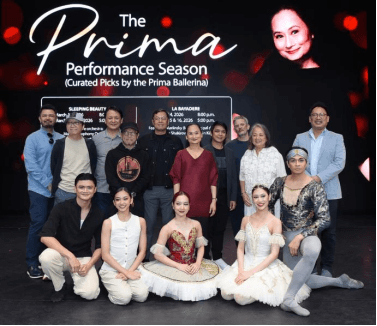
Four decades later, that mission is being honored through Ballet Manila’s PRIMA Performance Season, a curated lineup of classical works that affirms the company’s Vaganova roots while reinforcing its commitment to accessibility and excellence.
Why it matters
Macuja-Elizalde’s return challenged the idea that world-class ballet could only thrive abroad. Her vision helped democratize an art form often seen as elite, allowing generations of Filipino dancers and audiences to claim ballet as their own.
The milestone year opens with a special collaboration between Ballet Manila and iconic Filipino rock band The Dawn.
To be staged at Aliw Theater on February 20 and 21 at eight in the evening, the production fuses ballet and rock music, reimagining some of The Dawn’s most popular songs through dance.
What’s next
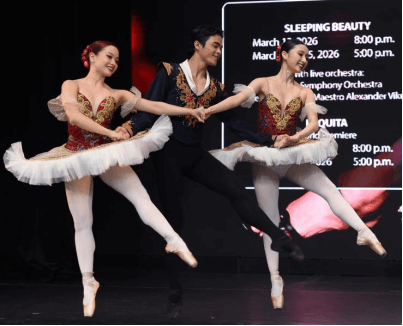
The PRIMA Performance Season continues with a series of landmark productions. Sleeping Beauty will be staged on March 14 and 15, 2026 at Aliw Theater, accompanied by the Manila Symphony Orchestra under Maestro Alexander Vikulov.
Paquita follows on June 20 and 21, showcasing Ballet Manila’s Vaganova heritage and classical precision. The season culminates with La Bayadère on August 22 and 23, featuring the return of Mariinsky Ballet guest artists Renata Shakirova and Kimin Kim.
Reflecting on the milestone, Lisa shared: “Forty years ago, I came home with a mission to make ballet part of Filipino life.
To see that vision continue through Ballet Manila and the PRIMA performance season is deeply meaningful not just for me but for everyone in the company. It proves that ballet can endure, adapt, and belong to everyone.”
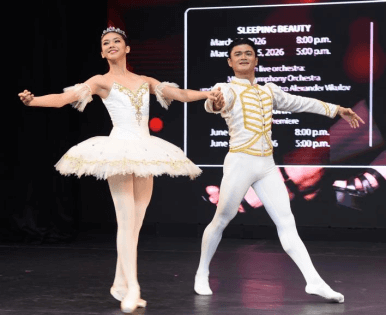
Beyond the main season, Ballet Manila will stage Ibong Adarna in Dumaguete in February and at Ateneo’s Areté in October, embark on an international tour in Kuala Lumpur in September, and close the year with its Holiday Cheer Series in December.
Macuja-Elizalde’s homecoming anniversary stands not just as a personal milestone, but as a testament to a fulfilled promise that ballet belongs to the Filipino people. —Ramon C. Nocon | Ed: Corrie S. Narisma