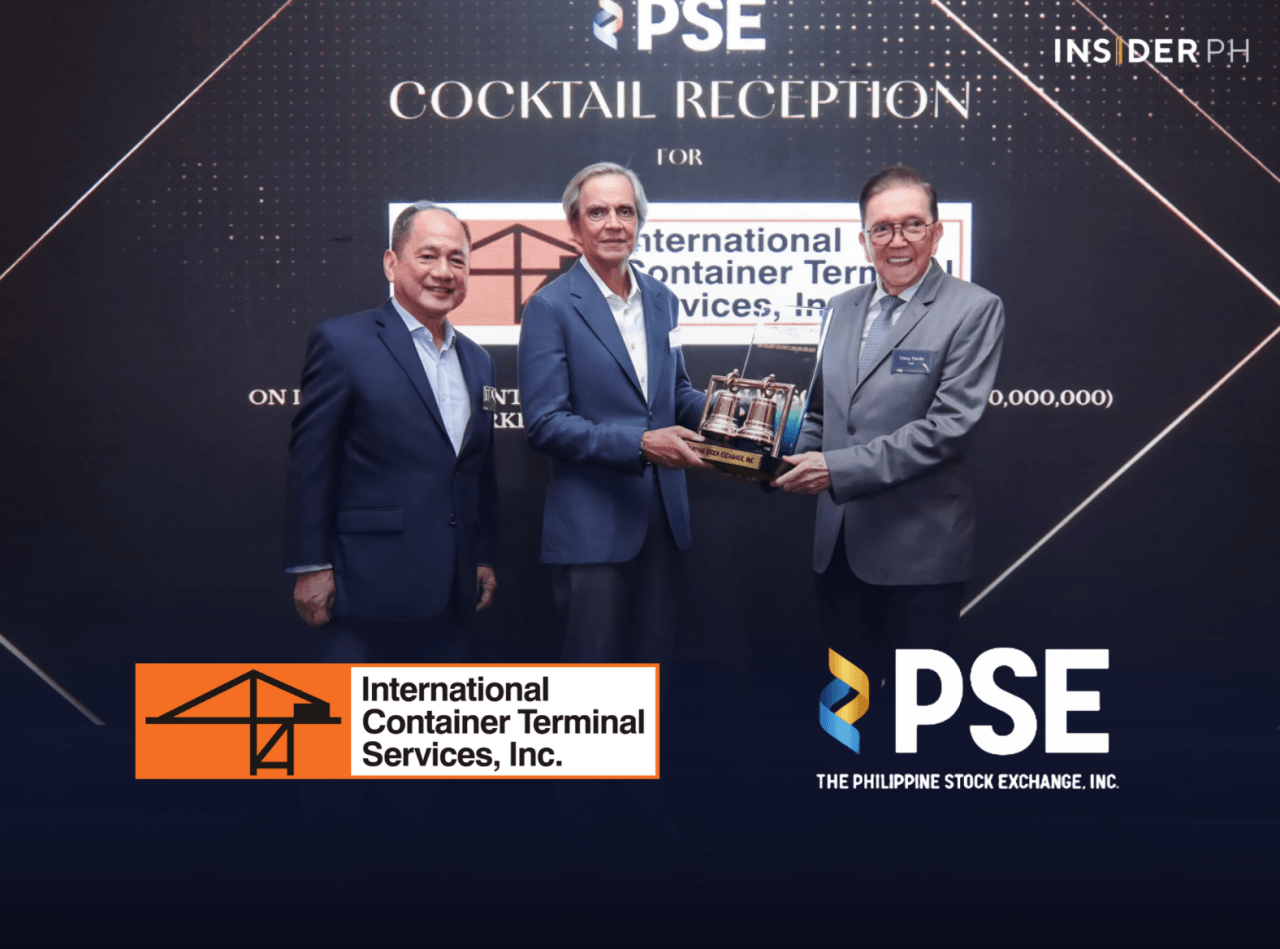
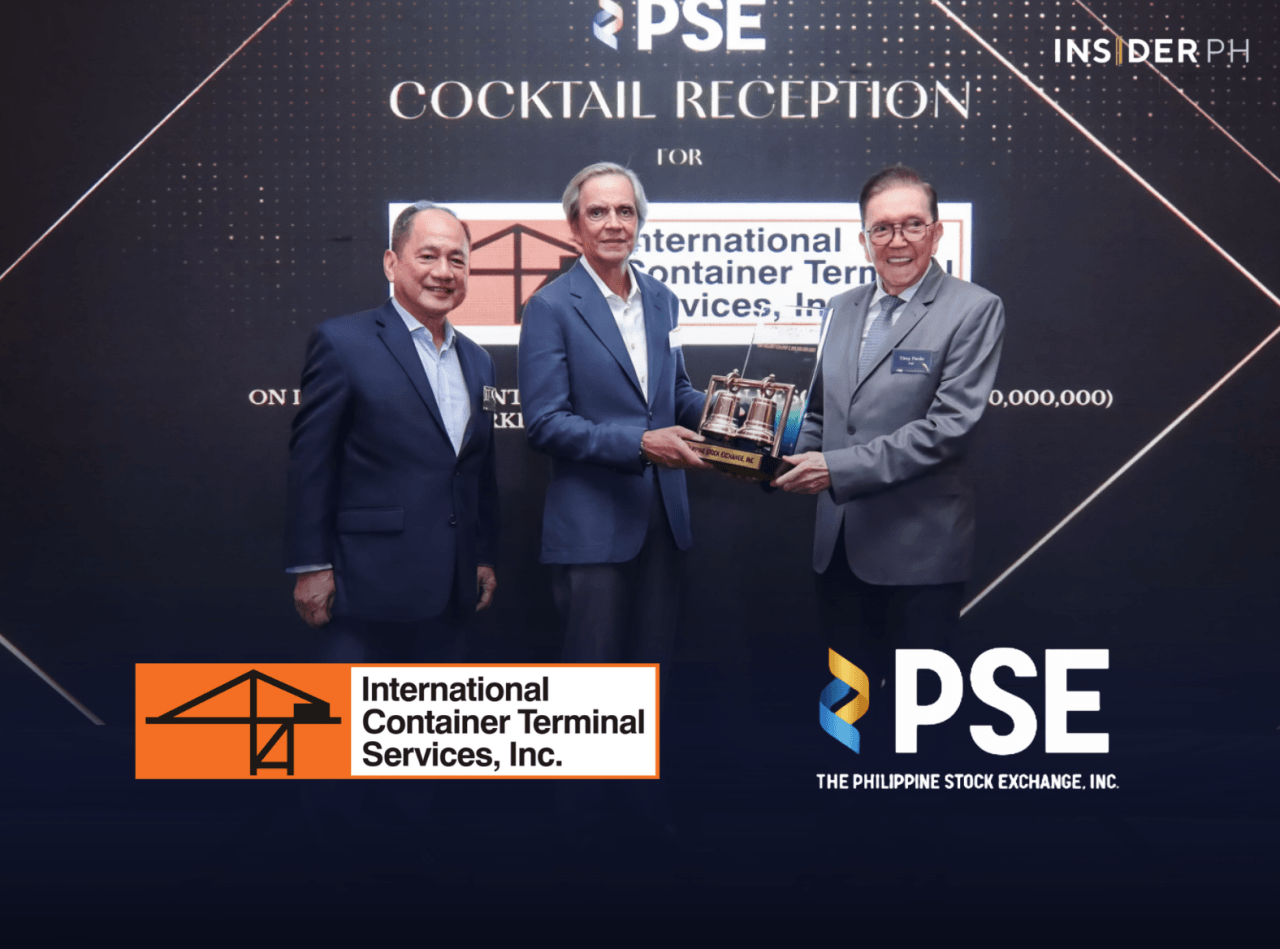
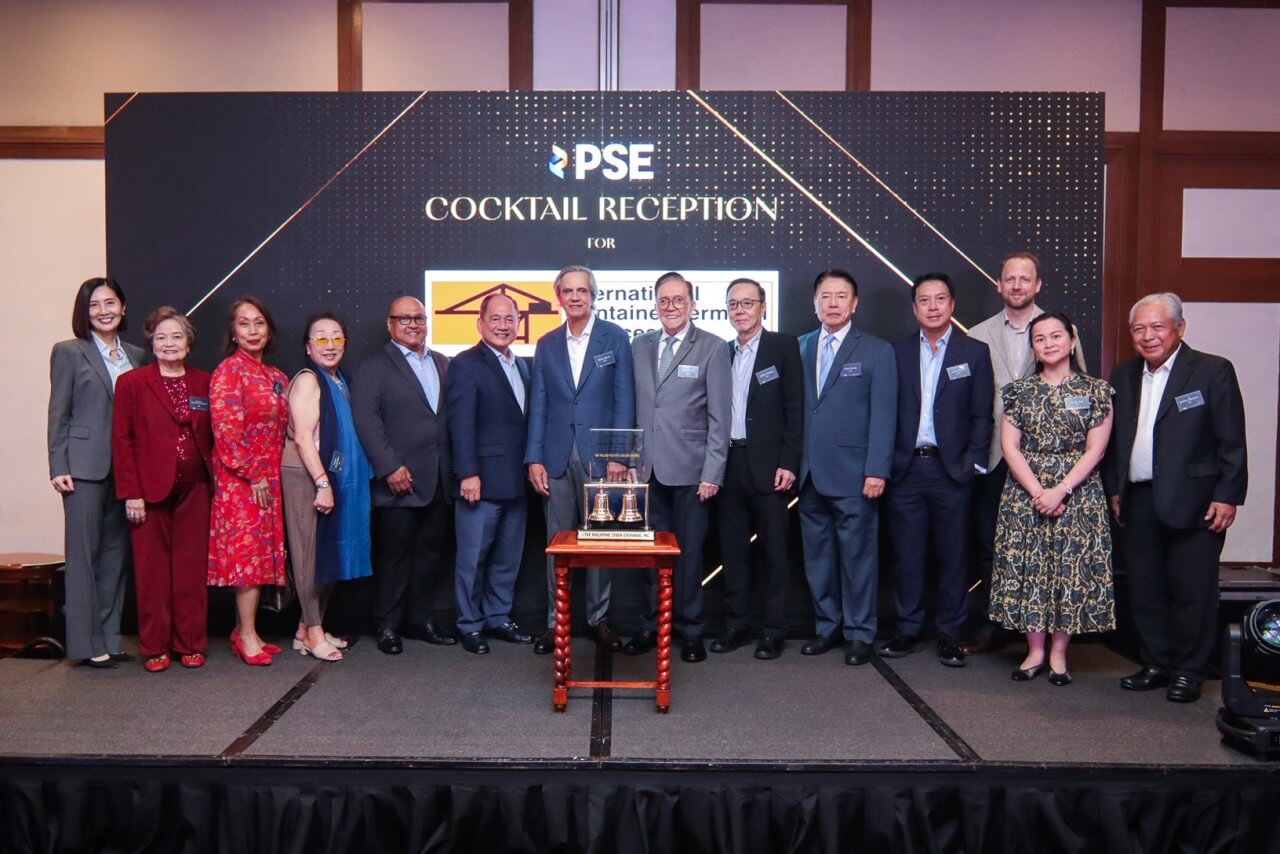
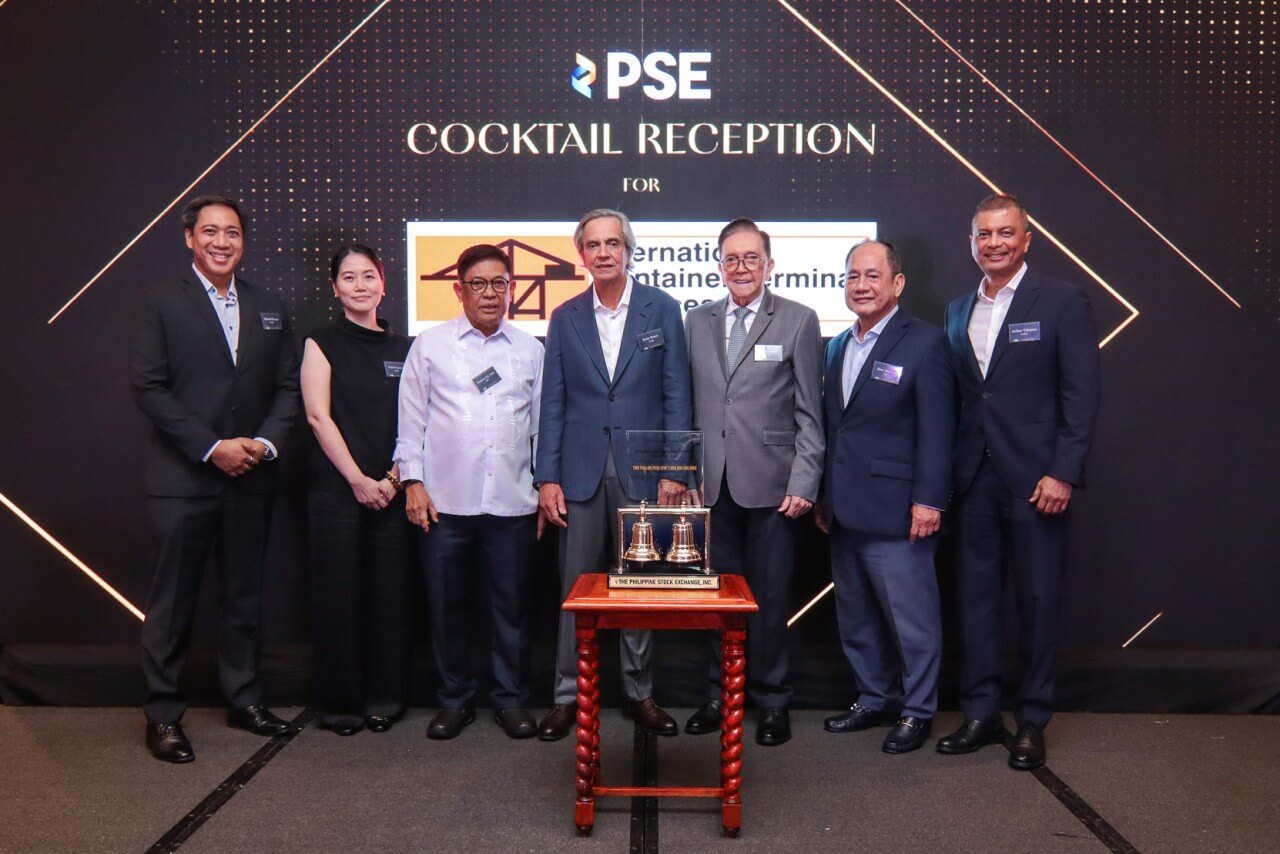
The Philippine Stock Exchange gathered corporate leaders on Tuesday night to honor International Container Terminal Services Inc. as the first domestic listed company to achieve that milestone.
When Razon accepted the plaque of recognition, he didn’t talk about the immense wealth he created.
He simply talked about the hard work they put in to get there.
“We don’t really watch our stock price or market cap. But we watch our costs, our business, how we market it, and what we do 24 hours a day,” Razon said.
“What ICTSI really is, is a company that gets things done—that’s the core of our business. We do not stop moving. We move and move and never, never stop,” the tycoon added.
From Manila to the world
Under Razon, ICTSI transformed from a homegrown operator founded in 1988 after winning the Manila International Container Terminal concession into the world’s largest independent ports operator.
Today it runs over 30 terminals across 19 countries and six continents.
The company handled 8.12 million container units in the first half of 2026, up 16 percent from the same period last year.
Recurring profit grew 25 percent to $604.69 million while revenues jumped 27 percent to $1.92 billion thanks to rising cargo volumes and contributions from recently added terminals strengthened its results.
ICTSI ended the period with more than $850 million in cash and continued expanding abroad, including in Africa, where it operates Durban Gateway Terminal at South Africa’s main seaport.
Earlier this week, ICTSI struck a deal to acquire TLG Acquisition Holdings, adding port and cargo-handling operations across Mozambique, Namibia and South Africa, subject to regulatory approvals.
‘Never accidental’
During the event, PSE chair Jose Pardo said ICTSI took 33 years to reach its first P1 trillion in market value but only 10 months to reach P2 trillion.
“Performance of this magnitude is never accidental. It reflects resilience, grit and leadership. Ricky learned this industry from a veteran of the trade, but it is his own judgment and global ambition that carried ICTSI across borders and continents,” Pardo said.
“There is something larger at stake here than one company’s achievement. When a Philippine-born enterprise operates 33 terminals across 19 countries and six continents, and is recognized as a serious player in global trade infrastructure, it changes how the world sees us,” he added.
“It tells international capital that the Philippines does not simply participate in global commerce—it can build the companies that move it. Every milestone like this one strengthens the case for the Philippines as a place where world-class enterprises are made, not just hosted,” the PSE chair said.
—Edited by Miguel R. Camus