Insider Spotlight
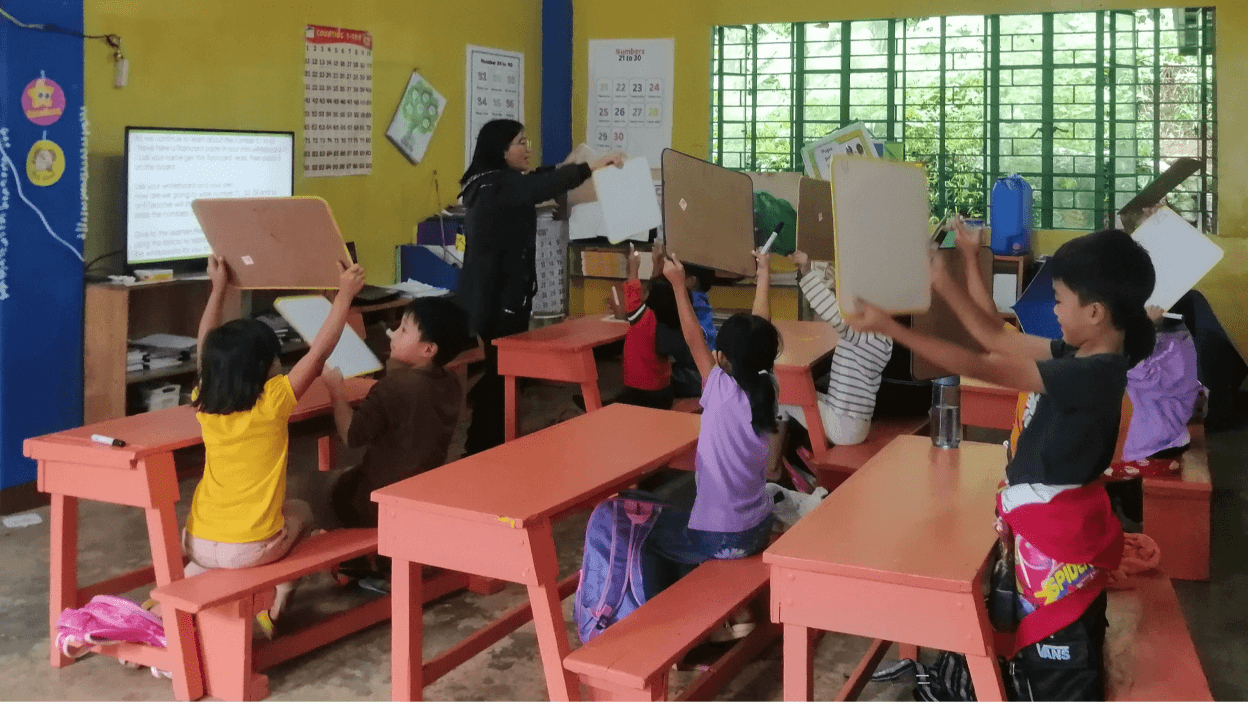
At Piminggan Elementary School in Tuba, Benguet, 96 learners now access educational videos, digital presentations, and interactive games, replacing lessons previously limited by unreliable electricity.
Why it matters
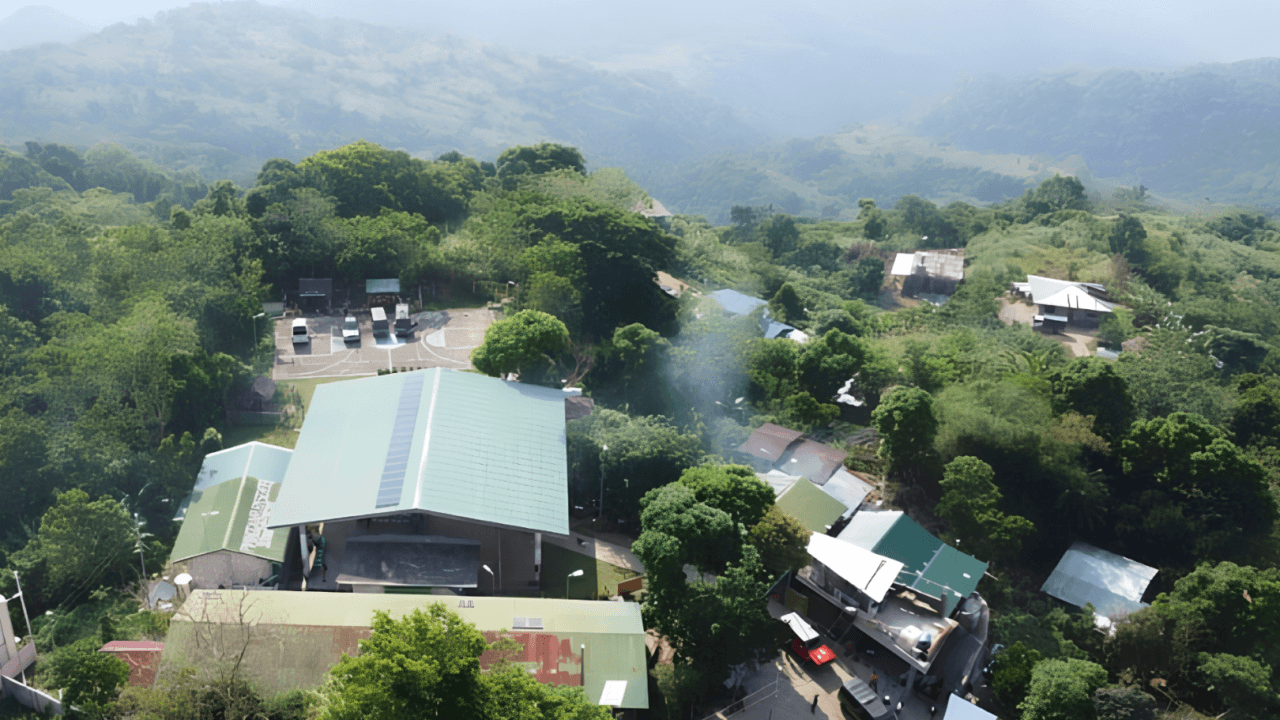
Located 43 kilometers from Baguio City, the school previously relied on a 200-watt solar panel that struggled to power classroom equipment, particularly during cloudy weather.
Teachers often traveled more than two hours to Baguio City to download materials, charge devices, and complete administrative requirements.
“When the battery of the laptop dies, we had to go back to writing on the blackboard or using paper cutouts,” Piminggan Elementary School school head Aileen Adones said.
What changed
An 8-kilowatt-peak solar power system installed through AuroraPH now supports digital instruction and extended school activities, according to an Aboitiz Foundation company release.
Implemented with Aboitiz Renewables Inc., the initiative brought electricity to Piminggan and five other remote Benguet schools.
“The students now are more engaged, especially when they see lessons come to life when we flash educational materials on screen. They’re also enthusiastic to learn whenever we play educational computer games,” Adones said.
By the numbers
AuroraPH has energized 100 last-mile schools nationwide, benefiting more than 9,000 learners.
The initiative also enables teachers to spend less time traveling for essential resources while allowing students to rehearse school activities after dark.
The bigger picture
Aboitiz Foundation aims to expand AuroraPH to 300 schools nationwide through partnerships with Aboitiz Group businesses, government agencies, and other organizations.
“Every child deserves the opportunity to learn and succeed, regardless of where they live. Through AuroraPH, we are not simply bringing electricity to schools. We are giving teachers the tools to teach more effectively and opening doors for learners in last-mile schools,” Aboitiz Foundation president Ginggay Hontiveros-Malvar said.
The expansion underscores the foundation's push to address infrastructure gaps that continue to restrict educational opportunities in geographically isolated Philippine communities. — Princess Daisy C. Ominga |Ed: Corrie S. Narisma