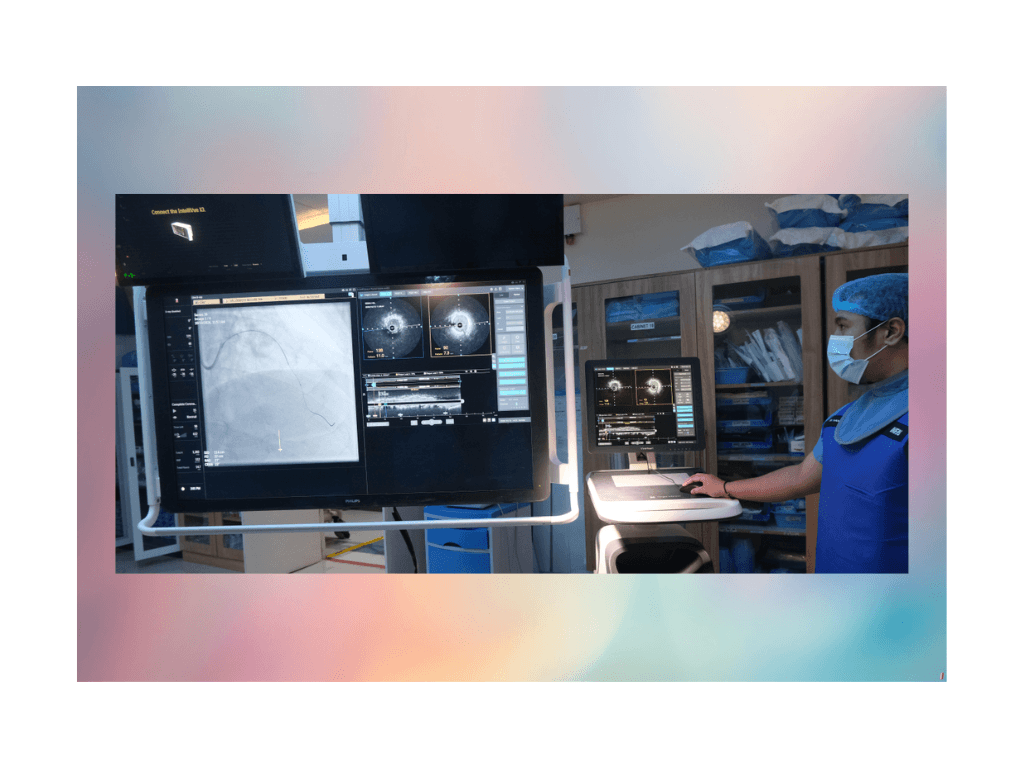
The Level 3 tertiary hospital in Mandaue City is investing in the VivoHeart Intravascular Ultrasound (IVUS) and VivoCardio FFR-TruePhysio systems from Biosensors Interventional Technologies, which provide doctors with more detailed information about coronary artery conditions than conventional angiography alone.
The equipment is expected to arrive this month, enhancing UCMed's capability to perform complex coronary interventions and provide advanced cardiac care to patients in Cebu and neighboring provinces.
UCMed medical director Dr. Armando V. Tan said the investment reflects the hospital's commitment to keeping pace with advances in cardiovascular medicine and improving patient care.
“Cardiovascular care continues to evolve, and hospitals must keep pace with advances that can meaningfully improve how physicians diagnose and treat heart disease,” Tan said.
Complementary functions
The two technologies serve complementary functions in assessing coronary artery disease, a condition characterized by the narrowing or blockage of arteries that supply blood to the heart.
The IVUS system uses ultrasound imaging to produce detailed images from inside the coronary arteries, allowing cardiologists to examine the extent of arterial narrowing and assess the condition of blood vessels.
The FFR-TruePhysio system, meanwhile, measures pressure differences across narrowed sections of coronary arteries to determine whether an obstruction significantly restricts blood flow to the heart muscle.
Together, these technologies provide cardiologists with additional information to determine whether a patient would benefit from stent placement — a procedure involving the insertion of a small mesh tube into a narrowed artery to help restore blood flow.
The systems can also guide physicians in selecting the appropriate stent size and placement and assessing the results of the procedure.
Importance of imaging
Tan said the acquisition is aligned with international clinical guidelines that increasingly emphasize the importance of intravascular imaging and physiological assessment, particularly in complex coronary interventions.
“Our decision to acquire these technologies comes with our commitment to providing our specialists with more advanced diagnostic and procedural tools,” he said.
The hospital expects the new systems to support more informed clinical decisions before, during and after coronary interventions.
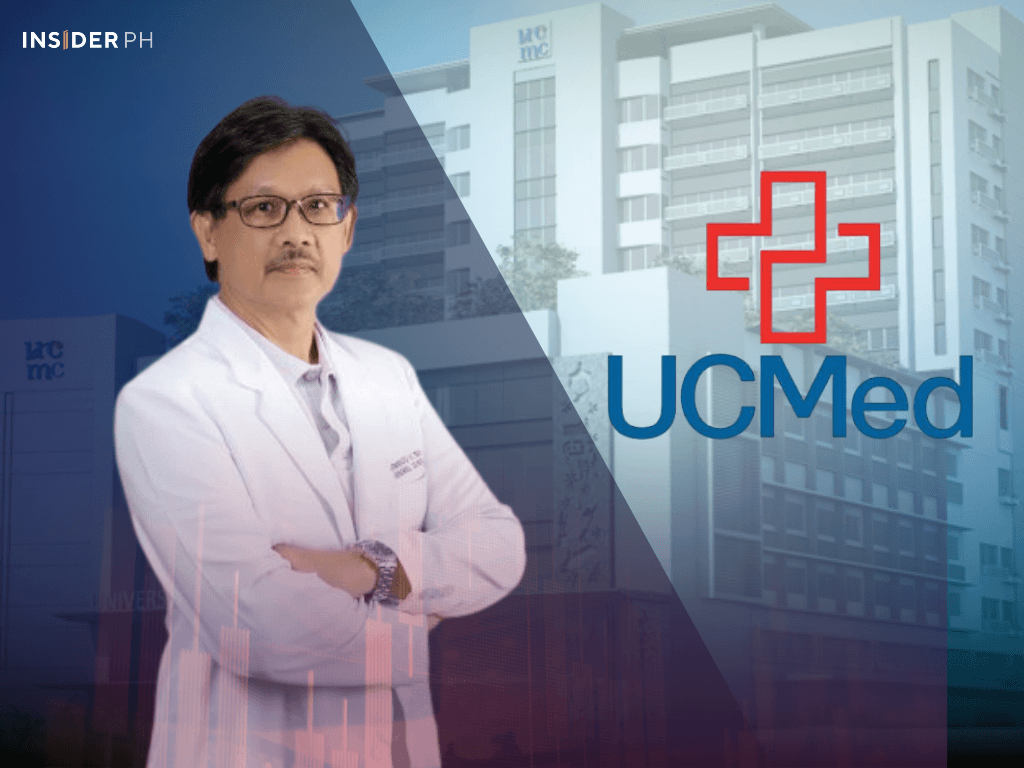
UCMed interventional cardiologist Dr. Michael Jeremy Tabaloc said the availability of both technologies would provide specialists with additional information when planning and evaluating procedures involving narrowed or blocked coronary arteries.
The investment forms part of UCMed's continuing efforts to strengthen its specialized medical services and make advanced, evidence-based cardiovascular care more accessible to patients in Cebu and neighboring communities.
Beyond acquiring new equipment, the hospital said it is also preparing its medical team to deliver cardiovascular care consistent with advances in medical science and international clinical practices. —Ed: Corrie S. Narisma

Contributor