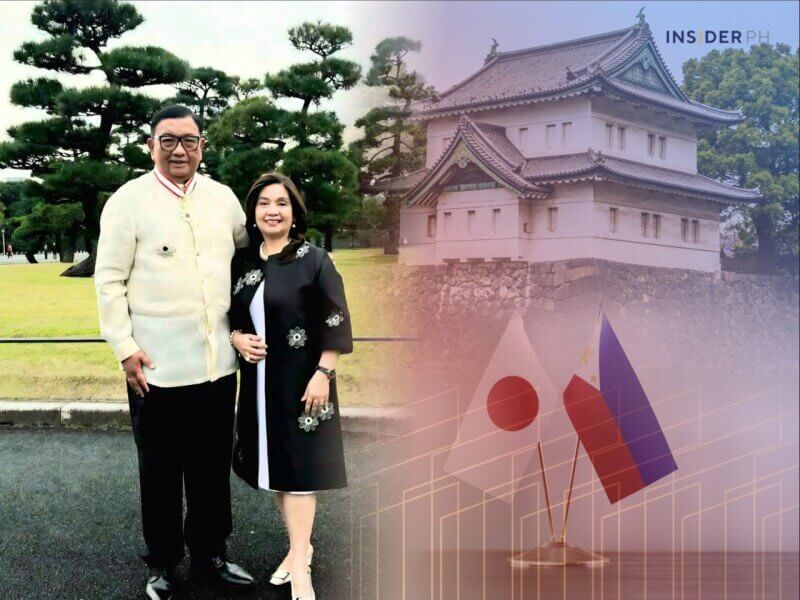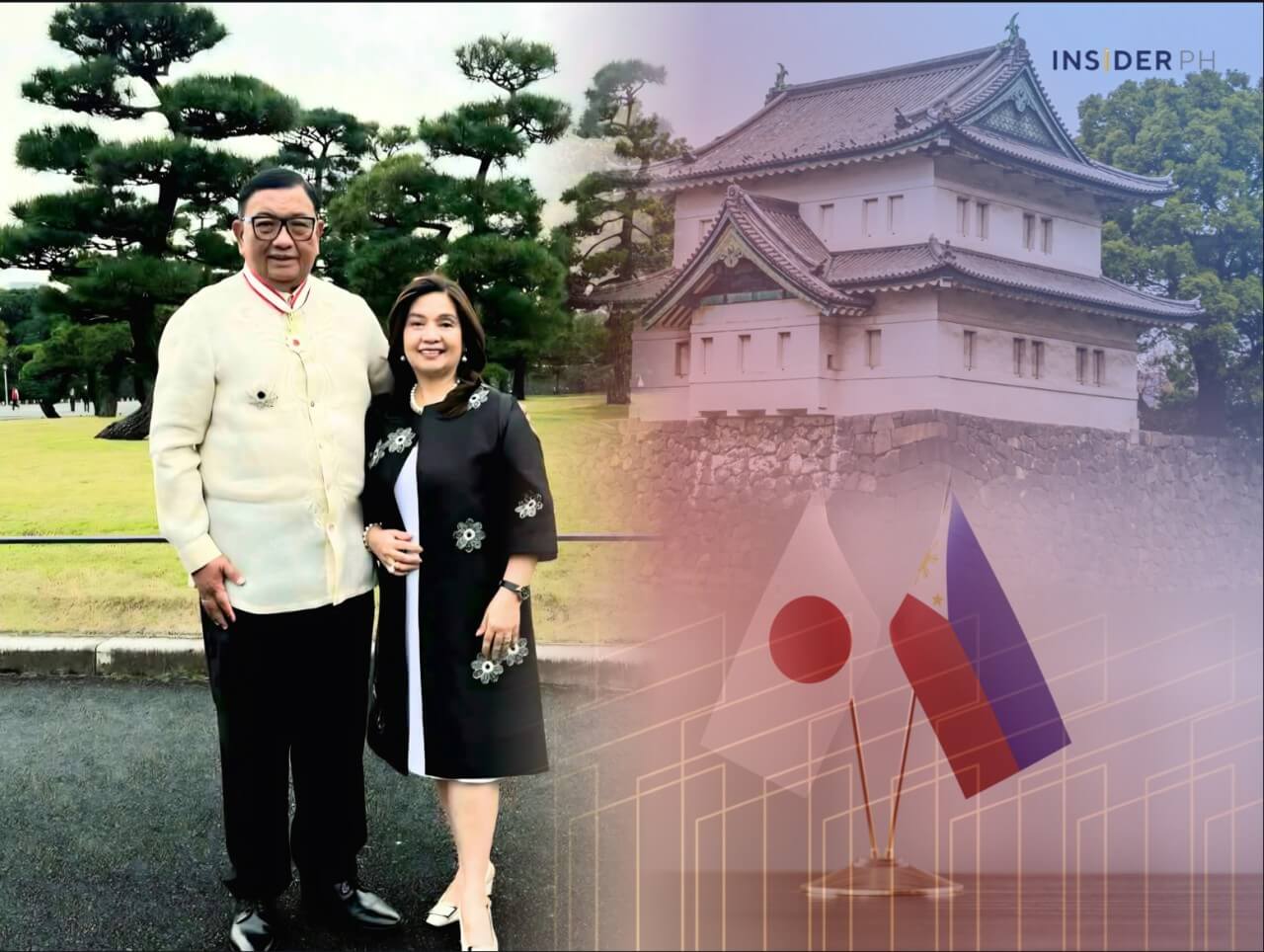
But beyond this standout Cebuano’s prominent roles at the Ayala Group and in the Aquino administration, Almendras has spent years cultivating international relationships and advancing initiatives that rarely make the headlines.
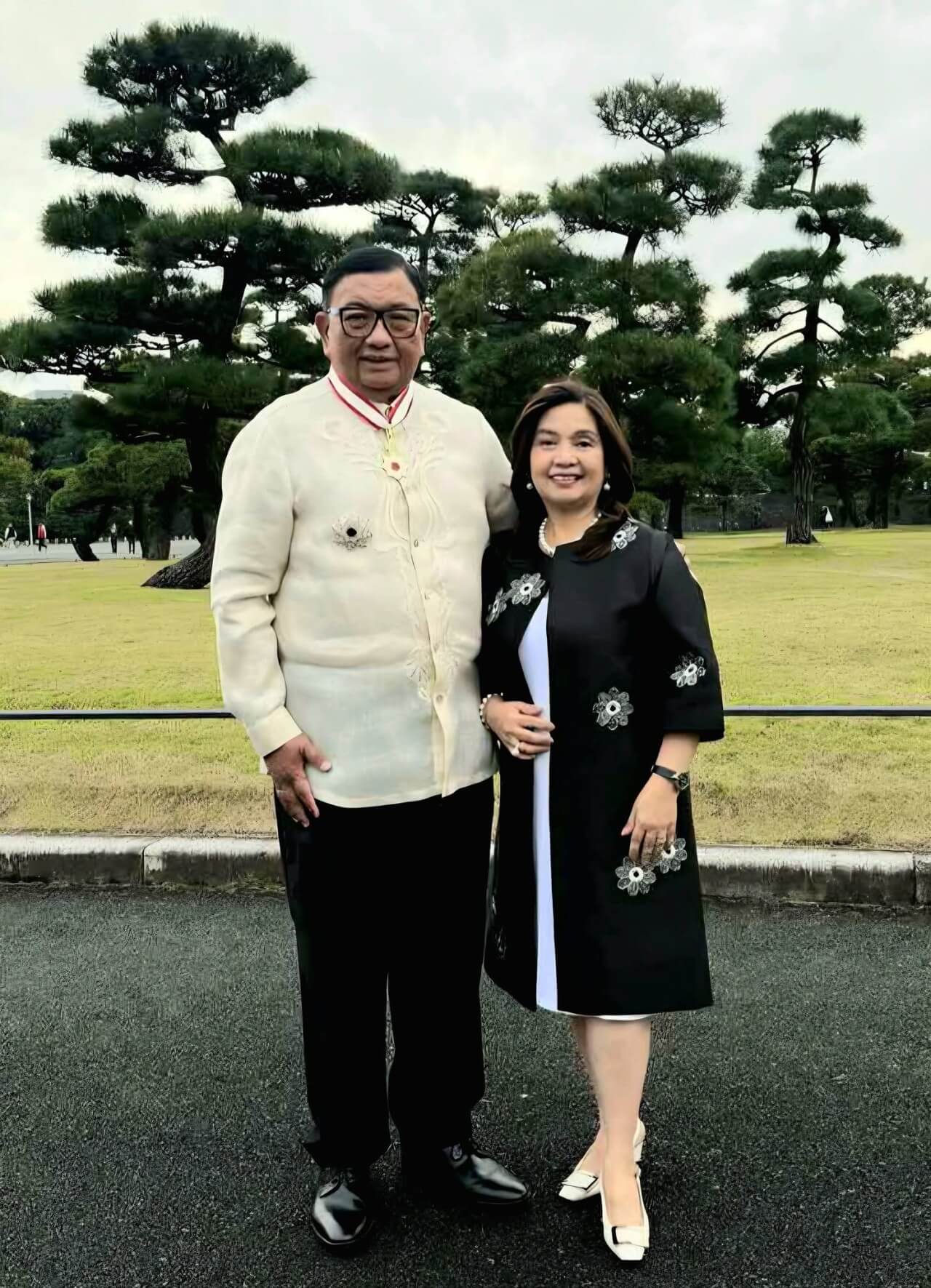
That combination of public achievements and less visible contributions has now earned him one of Japan's highest honors for foreign civilians, the Order of the Rising Sun, Gold and Silver Star, the embassy of Japan in the Philippines announced.
From boardrooms to government
Before and after his years in government, Almendras held senior roles at the Ayala Group, which has a longstanding partnership with Japan’s Mitsubishi Group.
His leadership roles in Ayala included Manila Water, AC Infrastructure and AC Logistics, while helping steer the conglomerate's public affairs and strategic division.
Under former President Benigno Aquino III, he served as energy secretary, Cabinet secretary and eventually foreign affairs chief, helping advance several initiatives that strengthened Philippine-Japanese ties.
These included securing early approval for Japanese assistance to improve the Philippine Coast Guard's maritime capabilities and supporting scholarships for Filipino officials pursuing graduate studies in Japan.
He also contributed to the adoption of Japan's digital television broadcasting standard and banking reforms.
Japan PM was in attendance
The recognition came with an added distinction: while many recipients receive their decorations through Japanese ambassadors, Almendras was invited to the Imperial Palace in Tokyo, where Prime Minister Sanae Takaichi personally presented his award.
Alongside a few other recipients, he also had an audience with Emperor Naruhito.

Influence beyond official titles
Almendras’ work has continued well beyond his years in government, often through international business and policy circles where much of the engagement takes place away from public view.
One example is his involvement with the Canberra-based Institute for Regional Security, which brings together influential figures from Japan, Australia and the Philippines on issues of shared regional interest.
It is the kind of work that rarely makes headlines but helps explain why his contributions have remained on Japan's radar long after he left public office.
Almendras has worn many hats over the years, some more visible than others. The recognition from Japan honors not just the work behind him, but the relationships and opportunities that could benefit generations still to come.
—Edited by Miguel R. Camus