The test allowed phones in the province to send messages using a satellite link—an option Smart sees as a practical solution for last-mile communities and disaster-hit zones.
“Our investments in technologies that strengthen and expand our network all reflect our core mission to connect last-mile communities, empower them to participate in the digital economy and ensure that no Filipino is left behind,” said PLDT chief operating officer Menardo G. Jimenez.
Text messages sent via satellite
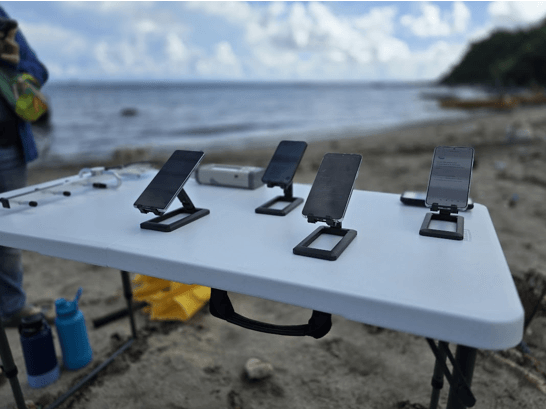
Smart said its teams successfully transmitted text messages via Lynk satellite between Catanduanes and Metro Manila, and also between two phones within Catanduanes.
They were also able to access Smart’s website during the trial, demonstrating Lynk satellite’s early light data capability as the service evolves toward full data use.
Bigger tests, launch targeted
The tests were conducted in Barangay Marambong in Pandan and follow the signing of a Master Services Agreement between Smart and Lynk Global last October.
“With 97 percent of the population already covered by our cellular network, it is important that we evaluate our satellite partners on the basis of not just their technology but also cost effectiveness. Our partnership with Lynk Global delivers both,” Jimenez added.
“This year, we are also pushing for extensive tests across more areas and diverse use cases, including maritime routes, as we gear up for a commercial launch next year,” said Lloyd R. Manaloto, first vice president at Smart.
Smart said Catanduanes still has unserved areas due to challenging terrain and past typhoon damage to power and telecom infrastructure, making satellite-to-phone service useful during emergencies.
—Edited by Miguel R. Camus