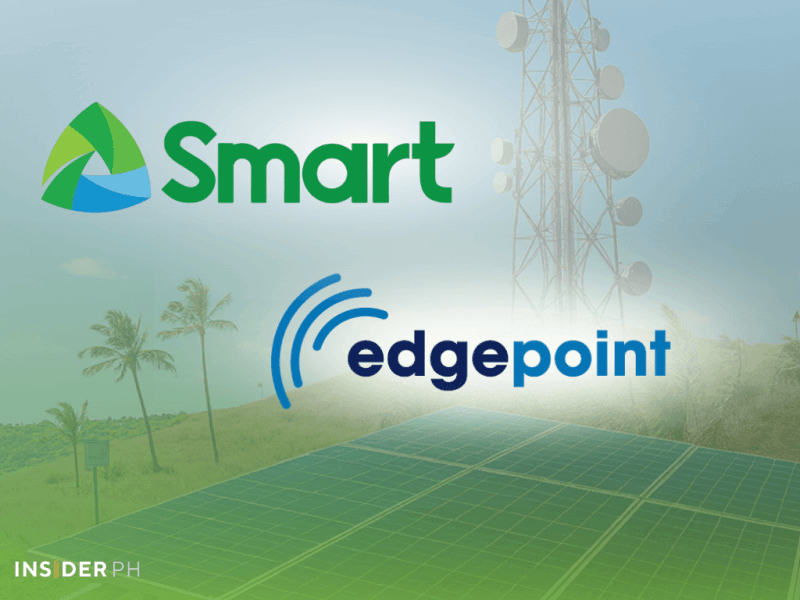
The initiative forms part of Smart’s broader push to integrate sustainability into its network operations while improving service reliability in underserved and remote communities.
Strengthening energy resilience
PLDT chief operating officer and network head Menardo Jimenez Jr. said the shift to solar power is crucial amid volatile global oil prices and supply uncertainties.
“Ensuring reliable connectivity is our foremost priority, especially in communities where power supply is unstable,” Jimenez said.
“Solarizing these towers significantly improves uptime and service continuity by giving our equipment a more dependable energy source.”
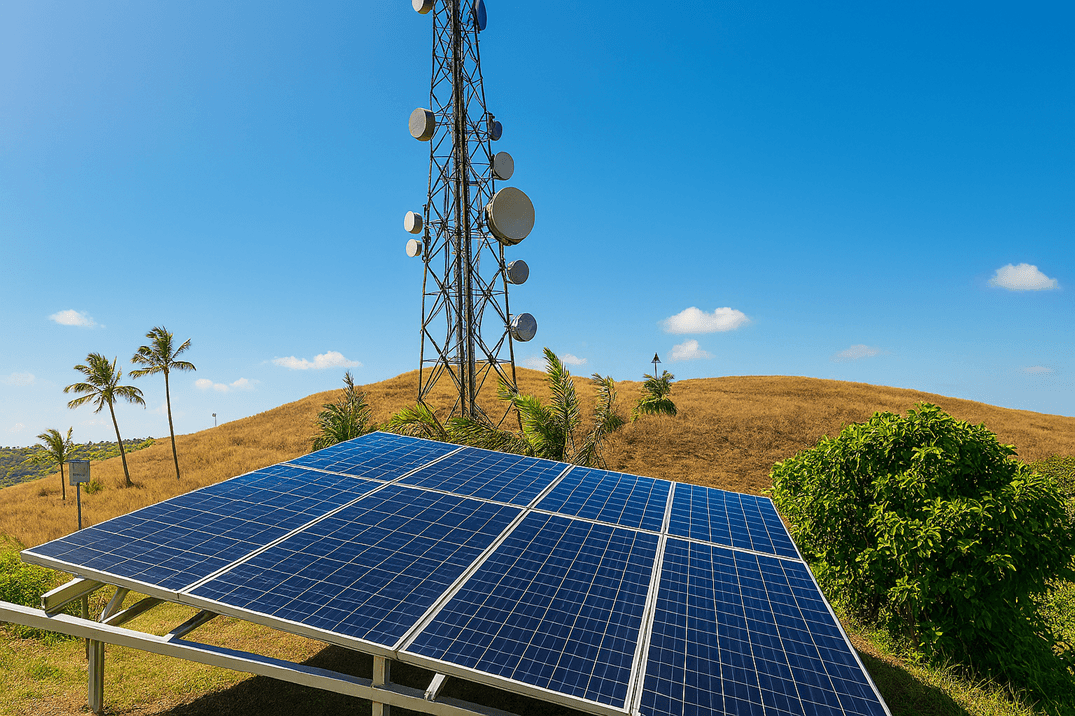
By replacing diesel with solar energy as the primary power source, Smart and EdgePoint aim to fortify operations in areas where electricity supply is inconsistent.
The move is expected to help maintain connectivity during prolonged outages and severe weather events, ensuring customers remain connected when it matters most.
The transition also reduces the need to transport fuel to remote sites, lowering both costs and logistical challenges.
Lower emissions, higher efficiency
Across the initial rollout, installed solar capacity exceeds 181 kilowatt-peak, supported by battery systems with over 20,000 ampere-hours of capacity.
The companies estimate the shift will cut diesel consumption by around 198,000 liters annually, avoiding about 545 tons of carbon emissions each year.
PLDT and Smart chief sustainability officer Melissa Vergel de Dios said the initiative aligns with the group’s decarbonization roadmap, which targets a 40-percent reduction in Scope 1 and Scope 2 greenhouse gas emissions by 2030 from a 2019 baseline.
“For us, sustainability is not separate from network performance—it strengthens it,” she said. “By shifting to cleaner energy sources, we reduce emissions while making our network more reliable and future-ready.”

Expanding sustainable infrastructure
EdgePoint CEO Suresh Sidhu said the partnership reflects a shared commitment to building resilient and environmentally responsible infrastructure.
“As demand for connectivity continues to grow, infrastructure must evolve in a way that is both resilient and sustainable,” Sidhu said.
“By integrating renewable energy into our towers, we help expand reliable connectivity while significantly reducing environmental impact.”
Smart and EdgePoint said they plan to expand solar-powered solutions and energy-efficient processes in support of the United Nations Sustainable Development Goals on sustainable cities and climate action. —Ed: Corrie S. Narisma