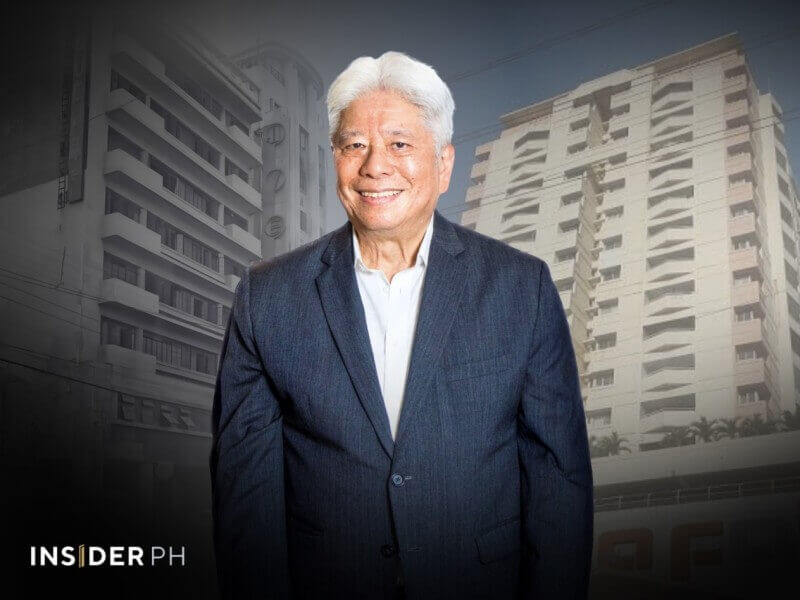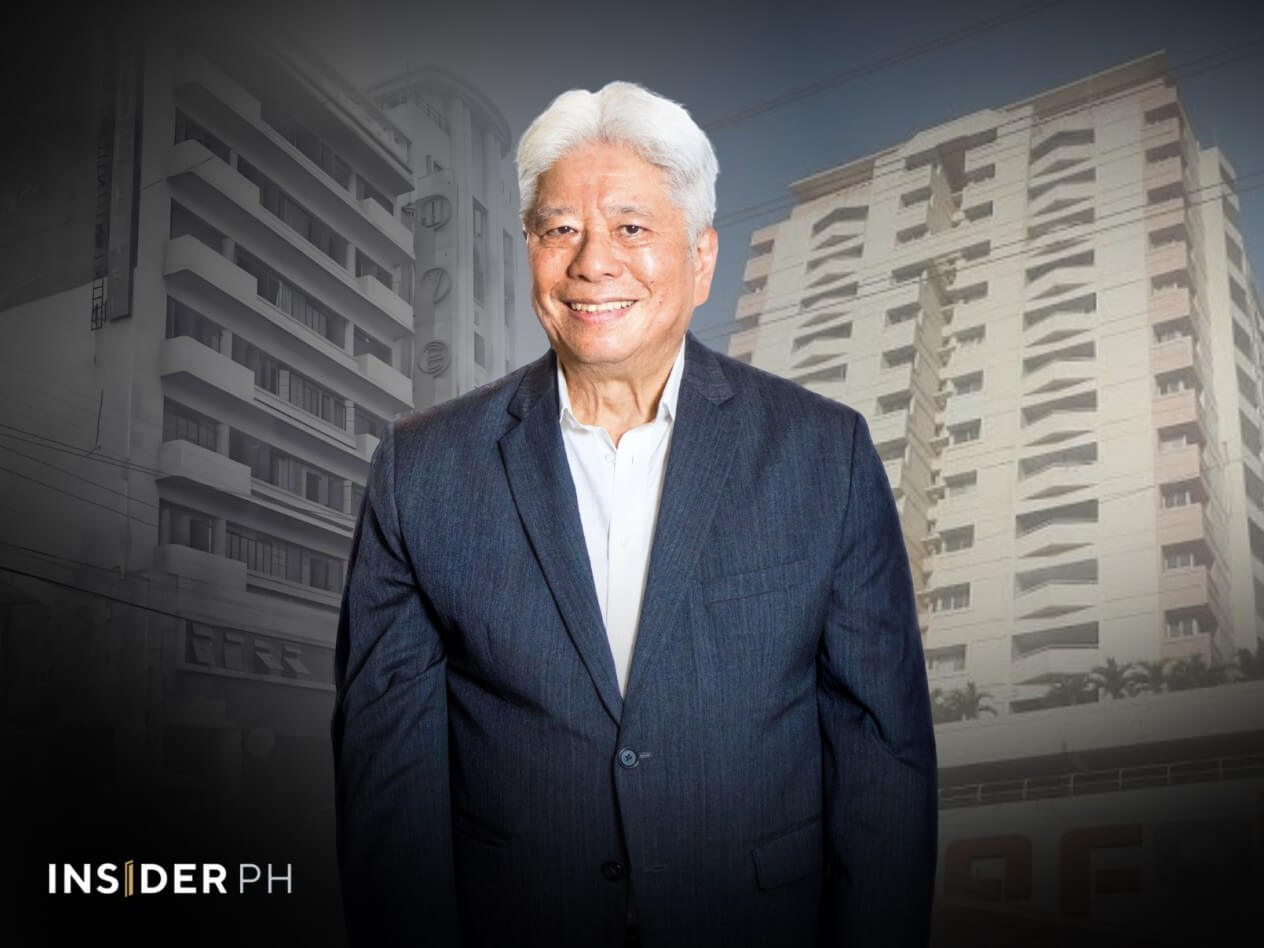
We were seated in a quiet corner of WeRemote, a busy co-working space in Makati that is now one of his tenants.
“This goes all the way back to the 1930s in downtown Manila, on Avenida and Escolta, when movie theaters were large and grand.”
Movie theater empire
A first-run movie house screened newly released films during their initial exhibition period, and the Rufinos—primarily property owners at the time—entered the business almost by accident after acquiring the Gaiety Theater on M.H. del Pilar in Malate.
“When we bought it, someone was renting it, and when the lessee couldn’t pay, we decided to take over the theater,” Charlie recalls. “I suppose one thing led to another, and we ended up putting up more and more theaters.”
This expansion would eventually include the acquisition of theaters from the Tuasons—the Capitol-Lyric Group—and the incorporation of related firms Luzon Theatres Inc., Rizal Theatrical Co. Inc., Quezon City Theatrical Enterprises Inc., Eastern Theatrical Inc., RYR Theatrical Enterprises Inc., and Broadway Theatrical Corp.

Arguably, however, the crown jewel of the family’s portfolio was the EVER Theater, built in 1954.
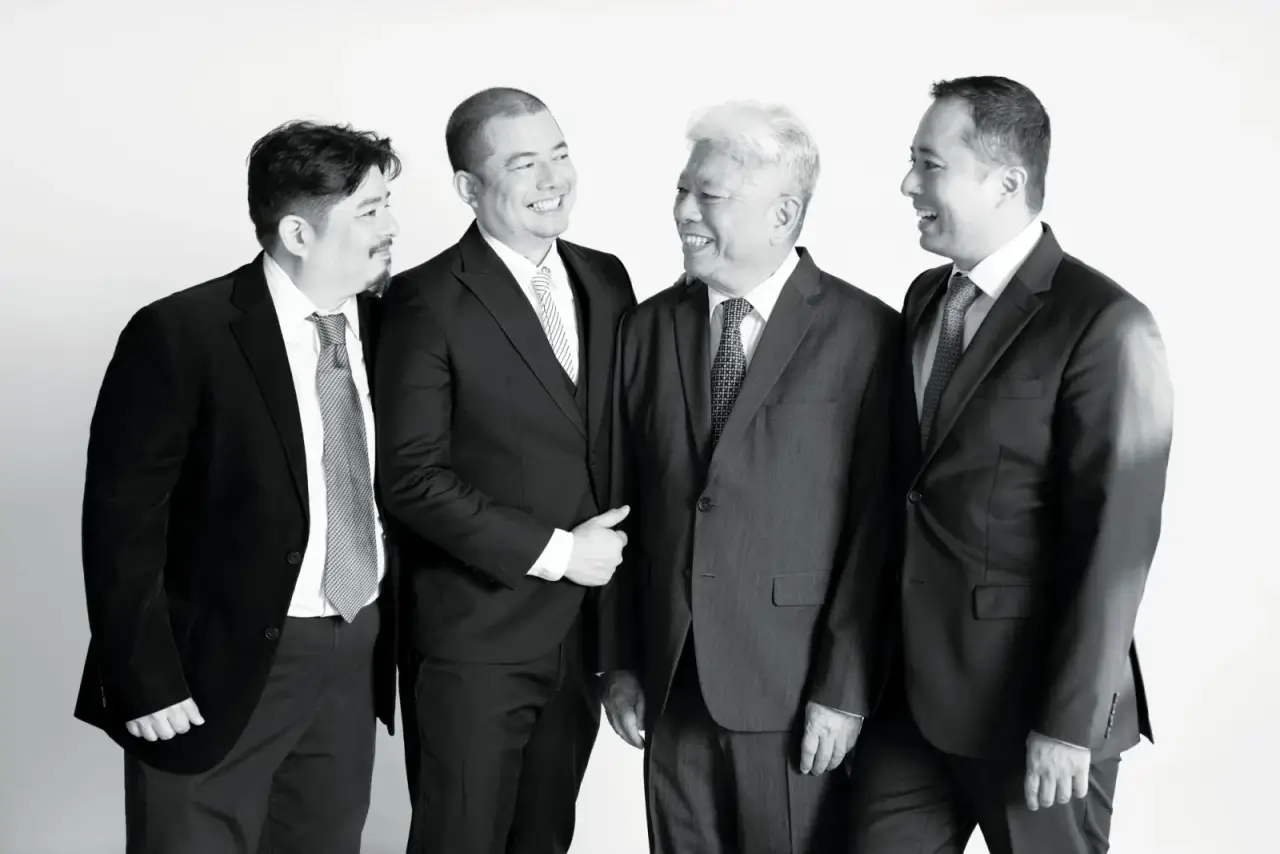
Dubbed “a monument to Filipino enterprise in the entertainment field,” the theater’s name was derived from the four Rufino siblings: Esther, Vicente (Charlie’s father), Ernesto, and Rafael.
With 1,300 seats, the EVER Theater’s shape and layout were said to have been planned by National Artist architect Juan Nakpil on a “scientific basis,” and designed along simple lines, “with special consideration given to the wide CinemaScope screen.
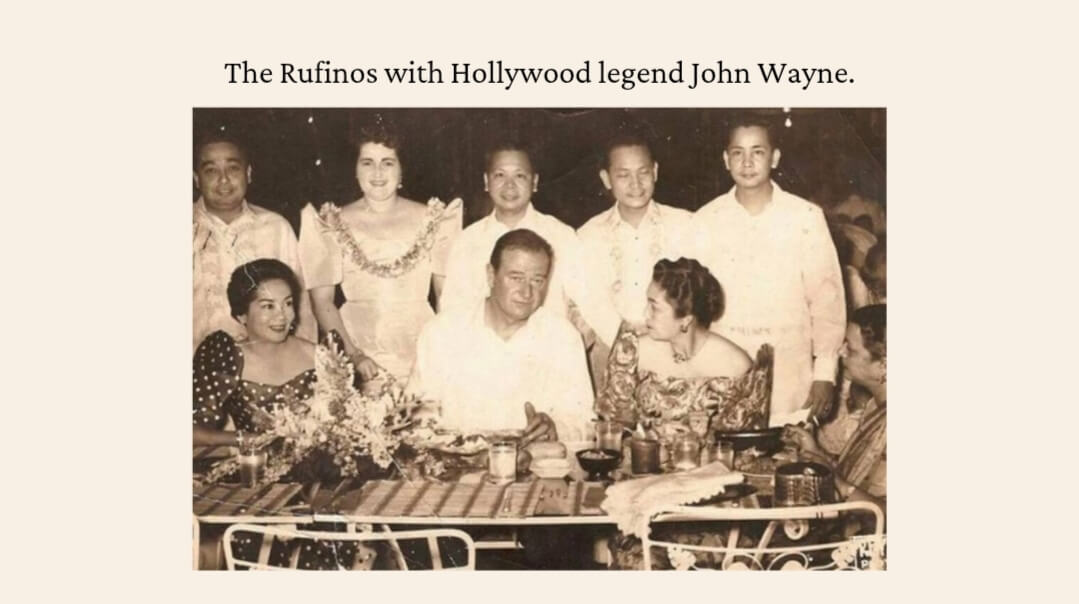
Charlie fondly recalls that era as a heady period, when Hollywood stars such as John Wayne and William Holden would occasionally visit Manila.
This success brought the Rufinos into the orbit of the Ayalas, allowing them to operate the QUAD, Magallanes, and Rizal theaters in Makati. In Cubao, Quezon City, they had the Quezon Theater.
The Rufinos would subsequently join what Charlie describes as “a loose group of people who were in the industry” to form the Greater Manila Theater Association.
Within the extended family, Ernesto B. Rufino Jr. was chair of foreign film distributor Mever Films Inc. that was led by Johnny Litton, who married his sister Teresita. The Rufino-Prietos, for their part, ran the pioneering Louie’s THX Theater at the Mile Long compound.
Now showing: Makati Cinema Square
When the Ayala group decided to manage its own cinemas—as well as those of others, such as the theaters at the newly opened SM North EDSA—the Rufinos’ management contract came to an end. This then prompted the family to build four movie houses as part of the so-called Makati Circuit.
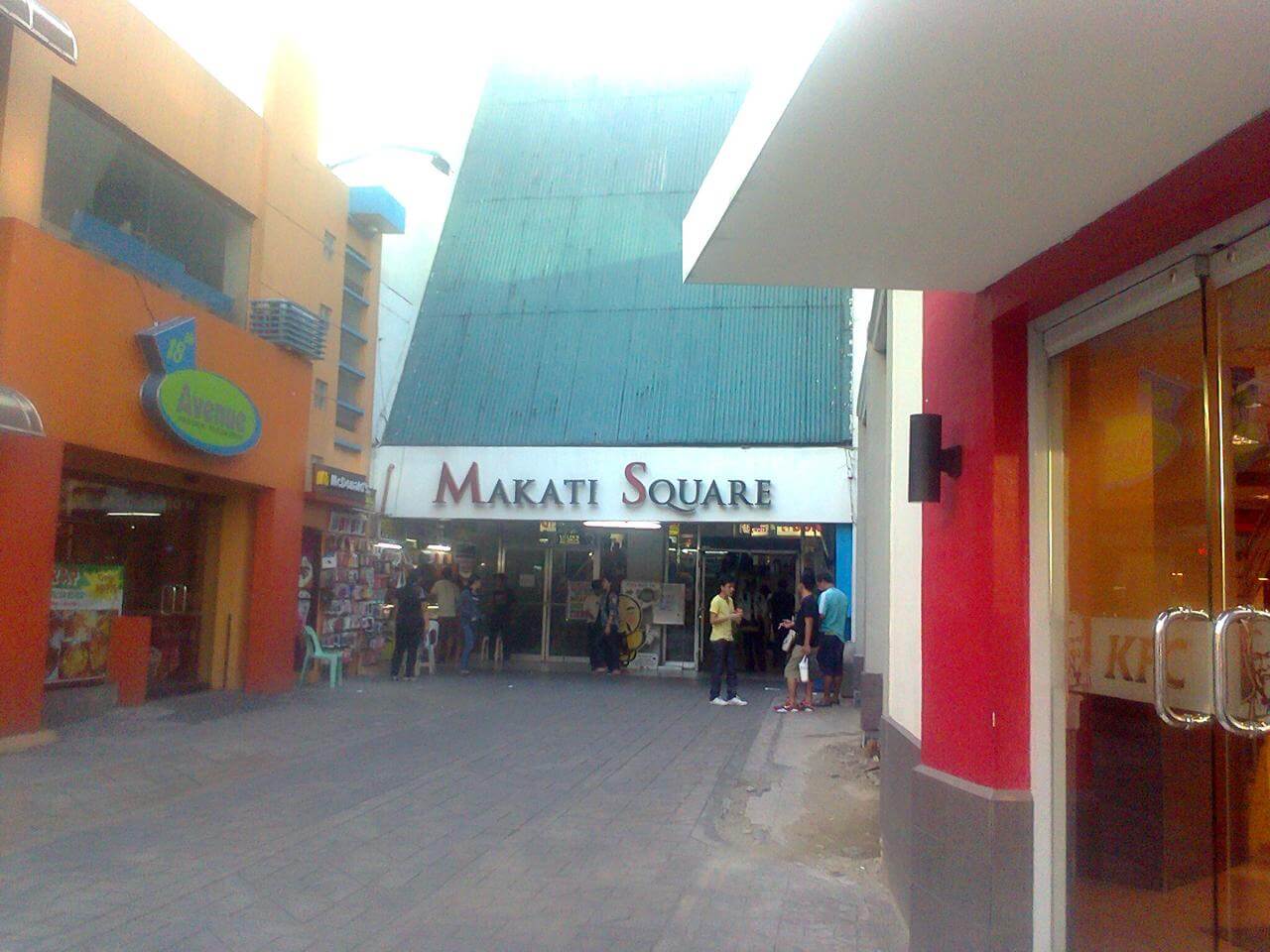
Thus, under the aegis of Delruf Realty and Development Corp., Makati Cinema Square—now called Makati Central Square (MCS)—was born in 1980. Charlie notes that because they were not mall developers and had limited capital at the time, they opted to sell units, making MCS a unique condominium mall.
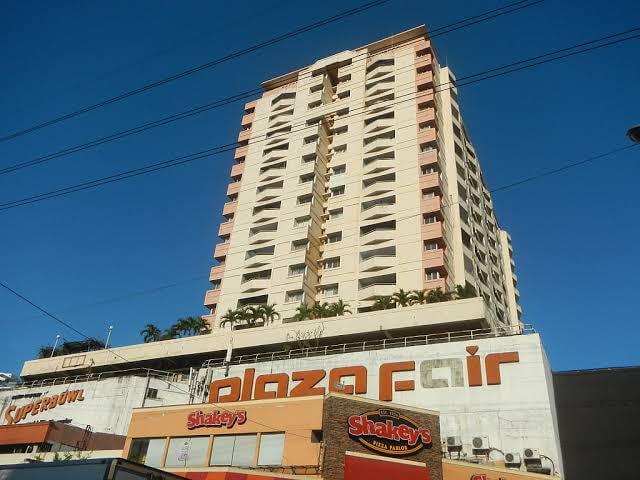
“This is a condo with quite a lot of owners,” Charlie says, although they control the majority. “We also built a residential tower on top so it’s like mixed-use (building). Aside from the cinemas, a department store, Plaza Fair, was an anchor tenant, and you have the Superbowl of AMF-Puyat that offers bowling and billiards.
Ambeth Ocampo remembers how the late socialite and TV host Elivra Manahan, who appeared in a number of films, tried to surreptitiously catch one of her movies at MCS—with a bag of Jollibee fries.
Not giving up
But over the years—whether due to economics or the rise of newer malls—MCS experienced a steady decline, with the theaters shutting down and Plaza Fair eventually folding.
Still, for diehard patrons, MCS possessed—and continues to possess—a distinct charm. A new tenant mix emerged: alongside the tiangges and dining institutions such as Emer’s and Aida’s came gun and ammunition stores, including a firing range, as well as audiophile shops.
And with MCS being a condominium mall, selling it would be difficult, explains Charlie. Still, the Rufinos refused to give up, with Carlo, Charlie’s son, taking on the reins of MCS at a point when the place was, in his words, “pretty run down.”
Pivot and repositioning
“We’ve been slowly pivoting Makati Central Square,” Carlo says. “So if you saw the legacy of my dad, it’s very nostalgic from the ‘80s–vintage at this point.”
While Carlo stresses that nostalgia remains part of MCS’ allure, he also emphasizes that the mall needed a new story. After weathering the pandemic, a bigger question emerged: how could MCS remain relevant to a new generation?
The lightbulb moment came from the other side of Makati: to make MCS à la Poblacion, but with ample parking, proper fire exits, sprinklers, and shelter from the rain.
“We love going there,” Carlo says. “But honestly, Poblacion has a lot of problems,” he adds, alluding to the lack of infrastructure and other issues that plague the area.
Giving the experiment a shot with little to lose, Carlo soon saw new tenants streaming in. Among the first to arrive was Nokal Manila, an underground club driven by music culture. It was soon followed by Bando, a hip-hop and R&B nightclub owned by Carlo’s son Lawrence—effectively the fourth generation of Rufinos in the business—and Fat Cat, Tatler’s Best Bar of the Year for 2025.
Maintaining a legacy
As more concepts prepare to open—with WeRoam in place, there’ll be an indie movie theater plus a bouldering facility that’ll occupy one of the former cinemas—Carlo insists that MCS will not fall into the trap of gentrification. Rather, he says, it will maintain its status as a friendly neighborhood mall that remains welcoming to walk-ins and commuters alike.
“We still have the legacy and we don’t want to lose what we were,” Carlo says, which means the tiangges and Superbowl are here to stay. “The key is to blend the two, the old and the new, while offering new attractions.”
Branding himself a “redeveloper” focused on reviving aging projects like MCS, the younger Rufino is pleased with what has been achieved thus far.
“This is one of those turnaround stories,” Carlo beams. “We were able to bring in a new market of entrepreneurs in a vintage mall.” —Ed: Corrie S. Narisma

Features Reporter