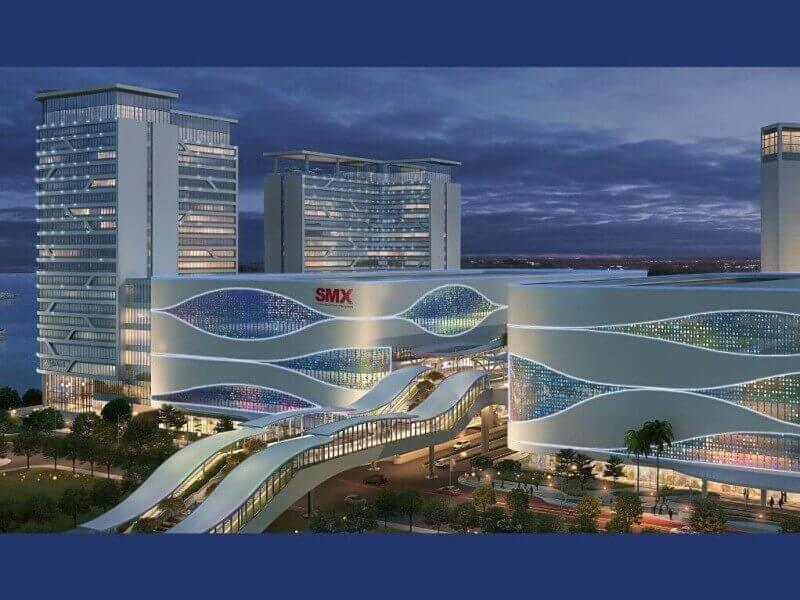
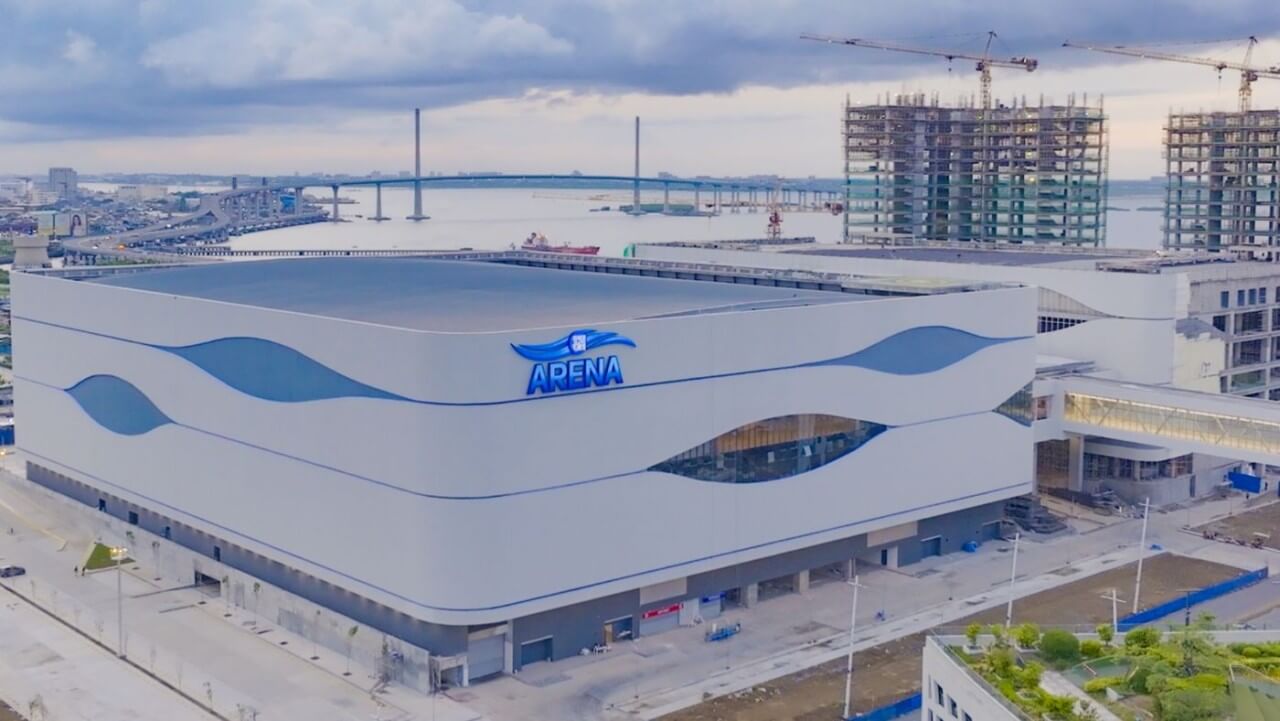
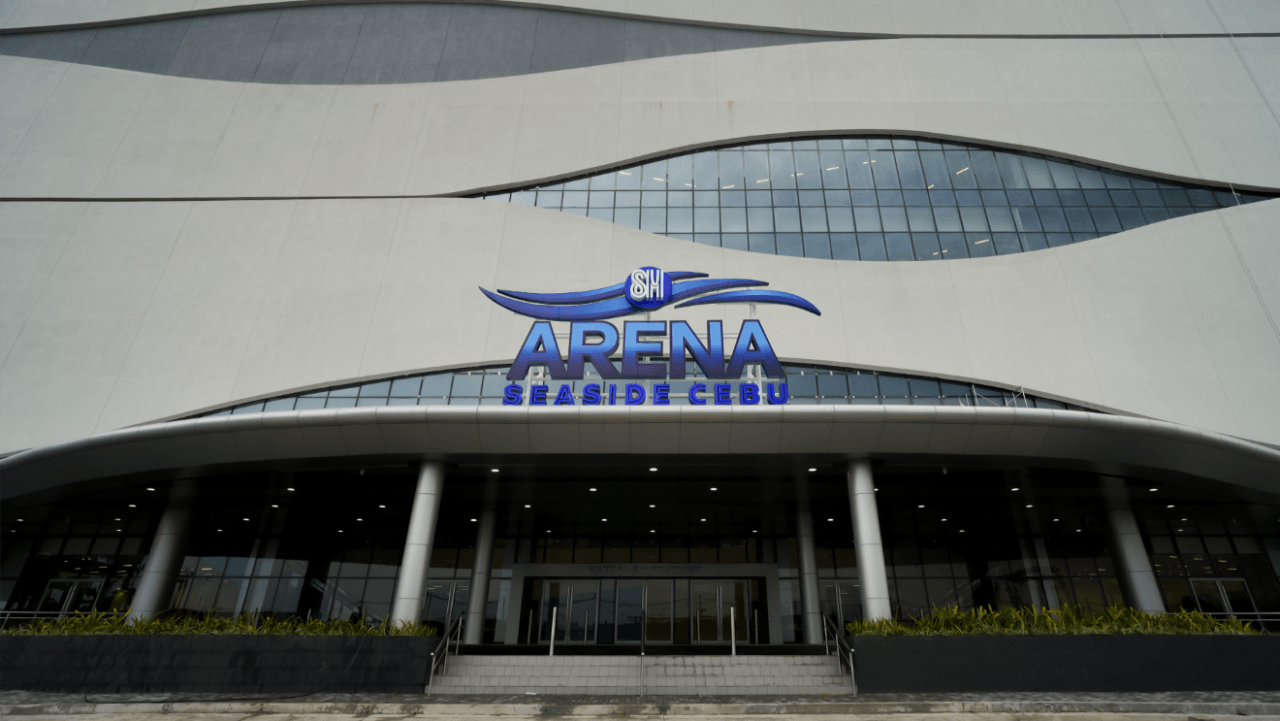
The opening of the SM Seaside Cebu Arena gives Cebu what it has long lacked—a world-class indoor venue capable of hosting concerts by global artists, international sporting events, conventions, and other major gatherings.
“Imagine how a single event can turn into an unforgettable vacation when paired with Cebu's famous beaches, rich culinary heritage, and the legendary warmth of its people,” said SM Prime Holdings Inc. president and CEO Jeffrey C. Lim said.
“It is our way of showing the world that Cebu truly has it all,” Lim added.
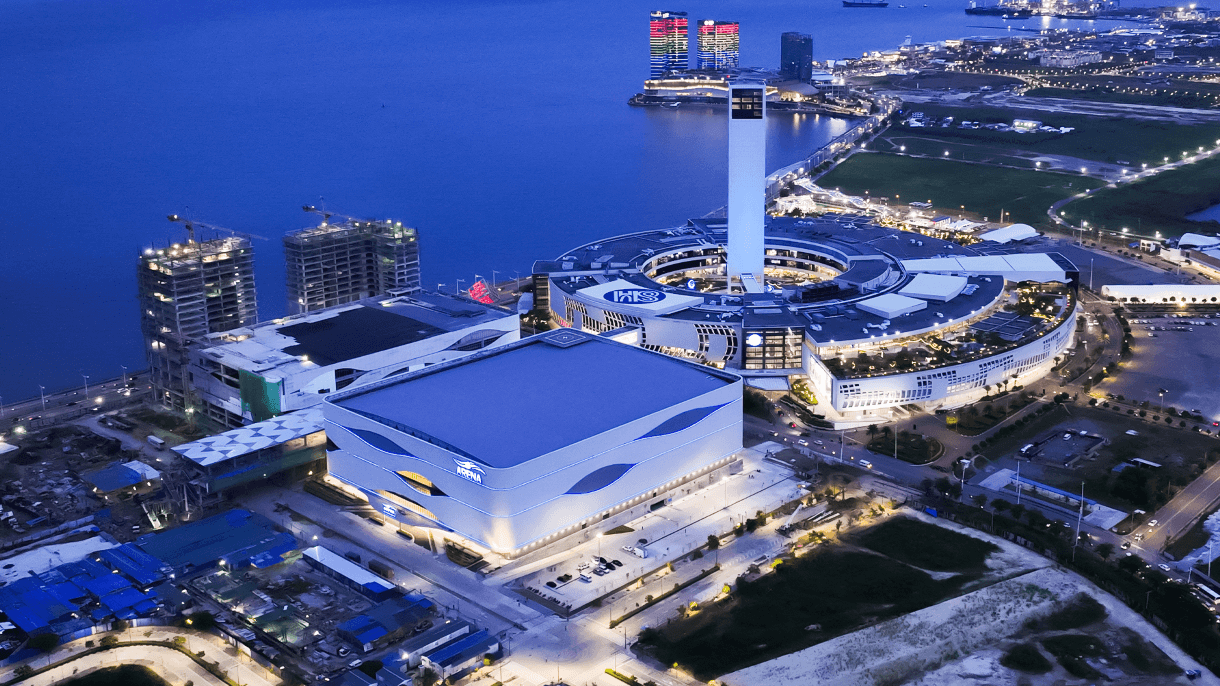
Lim, together with SM Prime executive committee chair Hans Sy, led the inauguration of the SM Seaside Cebu Arena on July 9, joined by other SM executives and local government officials.
The arena is located within South Coast City, the 26-hectare mixed-use township being jointly developed by SM Prime and Ayala Land Inc. at the South Road Properties. At seven-story high, it is the largest indoor arena in the Visayas with a lot area of 19,000 square-meters.
It is designed by Arquitectonica, an internationally acclaimed architecture, interior design, and urban planning firm headquartered in Miami, Florida.

Two decades in the making
Planning for the project began 20 years ago, driven by SM's long-standing confidence in Cebu and its belief that the province could generate the sustained foot traffic needed to support a world-class venue of this scale.
Sy recalled that his father, SM founder Henry Sy Sr., had believed in Cebu long before the company expanded nationwide. In the 1960s, Henry Sy opened a modest store in downtown Cebu simply called ShoeMart, the company's first major branch outside Metro Manila.
"My father always believed in Cebu, even before we had a small one in downtown. Then, when he had the opportunity to buy the superblock in the North Reclamation area, he always believed in Cebu and I just followed his direction," the younger Sy said.
That store at the North Reclamation Area later became SM City Cebu, the province's first large, modern integrated mall when it opened in 1993.
Challenges
Construction began in 2024 after the country had returned to normal following the COVID-19 pandemic.
The project, however, faced several challenges, including earthquakes, typhoons, and even heightened tensions in the Middle East, which caused disruptions during construction.
“But as they say, tough times do not last, but tough people do,” said Lim.
Now the arena has risen, drawing strength from a broader, integrated SM ecosystem – direct link through a SkyBridge to SM Seaside City and SMX Convention Center, which is set to finish construction by the end of the year.
“At SM Prime, we believe Cebu has all the makings of a stronger regional destination. Its tourism appeal is now elevated by a venue capable of hosting world-class live experiences,” Lim said.
He added the integrated estate would strengthen Cebu's tourism economy by encouraging longer stays, repeat visits, and job creation across allied industries.
Integrated
At least P8 billion was being poured into the integrated complex – the arena, the convention center and the two hotels – Park Inn and Radisson – that would be built soon, said SM Engineering, Design and Development Corp. president Hans “Chico” Sy Jr.
He said the two hotels would offer midscale and upscale accommodations to provide options to the market to support the continued growth of Cebu's meetings, incentives, conferences and exhibitions (MICE) industry.
Chico Sy said the arena could attract concertgoers from neighboring countries such as South Korea, Indonesia, and Singapore, allowing them to combine world-class entertainment with visits to Cebu's renowned island destinations.
“We're very confident in Cebu and its ability to attract tourists,” he added.
“We have a beautiful venue here for the concert and you have a beautiful island. Combining that concert with the island, that tourist combination, I think that's wonderful. And I think that's a new opportunity for Cebu to really develop where we can really deliver —global tourism with global entertainment.”
World-class
The arena strengthens Cebu’s tourism appeal by giving the province a venue capable of hosting world-class live events.
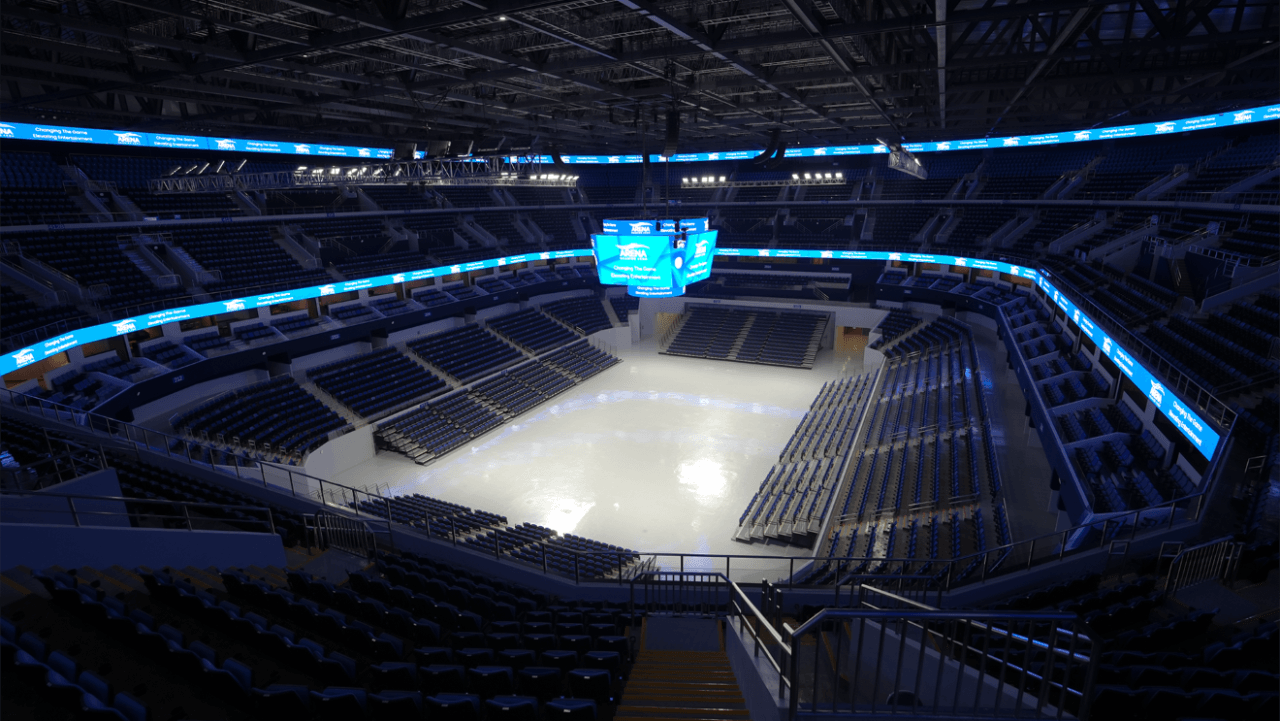
It has a maximum capacity of 25,000 with 30 premium suites located above the VIP section that can each accommodate at most 31 people.
Each suite has its own upscale seating, private restrooms and unobstructed views of the event floor. Suite holders have access to dedicated VIP lounges, a café and an exclusive entrance.
It has a dedicated practice area—the first of its kind in the country—that can accommodate a standard basketball court or be configured for other sports. The space can also serve as a multipurpose hall for rehearsals or as a holding area for large-scale productions.
At the center of the arena is the SM Arena Cube, an integrated LED system that transforms the venue into a cutting-edge entertainment facility on par with some of the world's leading arenas.
Dedicated backstage facilities support artists, performers, athletes, officials, media partners, executives, and production teams. These include a prayer room, fully equipped loading docks, freight elevators, and other amenities designed to support large-scale productions.
Filipino roots
Hans Sy said they wanted the arena to be a venue of international sporting events and concerts especially from international artists who have Filipino roots like singer Bruno Mars and girl group, Kateye who has a Filipina member, Sophia Laforteza.
“I really wanted everybody, the Filipinos, to be proud. That's why I'm looking for artists who are, one way or another, connected with the Philippines,” he said.
He also highlighted the arena's potential to boost sports tourism, saying preliminary and championship rounds of major sporting events could be staged either at the SM Mall of Asia Arena or the SM Seaside Cebu Arena.
“Sports tourism is something that we have missed out on and that is one of the things that we will fully support, sports tourism,” he said.
With the arena, he said international volleyball and women’s basketball might just happen in Cebu which would spur tourism. | Ed: Corrie S. Narisma

Contributor