Insider Spotlight
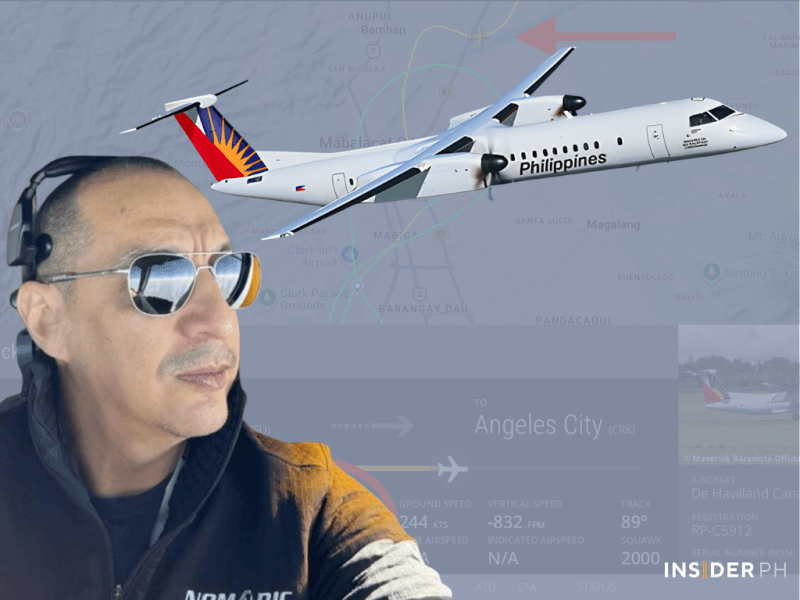
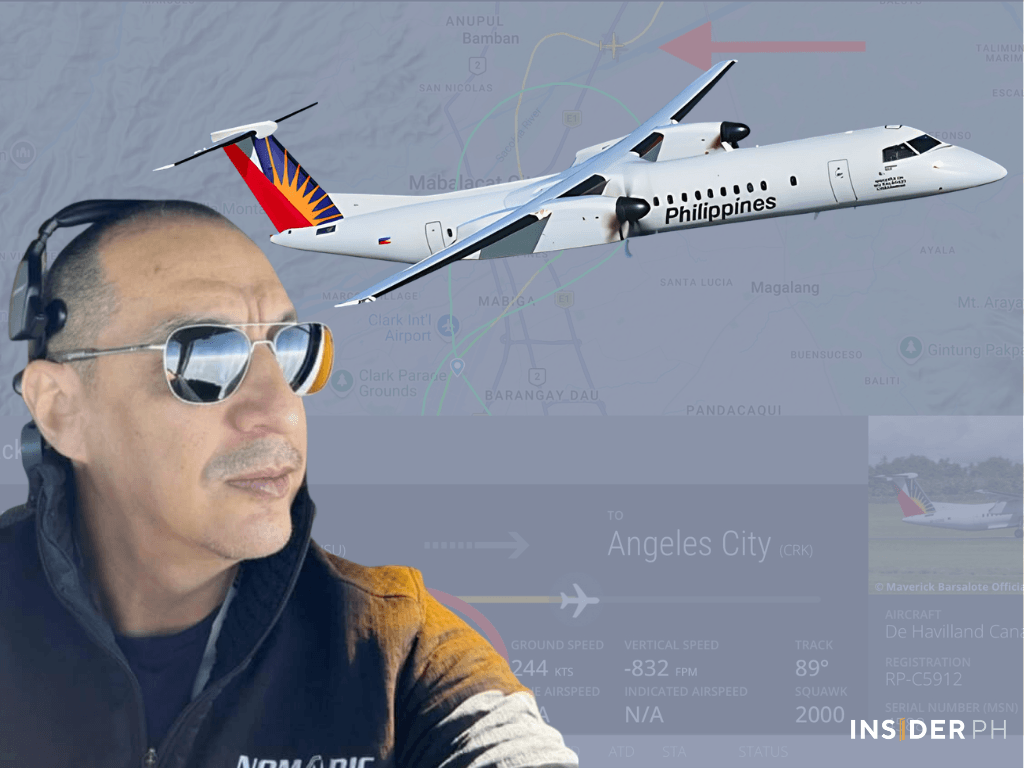
Patrick Roa, a pilot with more than 14,000 flight hours across over 60 aircraft types, said the May 23 incident should serve as a learning opportunity for the industry even as all passengers and crew landed safely following a diversion to Manila.
In a Facebook post on Sunday, June 7, 2026, Roa emphasized that no official investigation has concluded and that the focus should remain on aviation safety rather than assigning blame.
Why it matters
The flight drew significant attention after flight-tracking data showed unusual altitude and vertical-speed movements during a missed approach in deteriorating weather conditions near Clark.
PAL previously said the aircraft encountered possible microclimatic windshear and that the crew executed standard procedures before diverting safely.
According to Roa, the combination of windshear, changing aircraft energy, weather, and high cockpit workload are factors commonly associated with Loss of Control In-Flight (LOC-I), one of aviation’s most persistent safety threats.
The bigger picture
Roa cited industry data showing that commercial aviation recorded zero LOC-I accidents globally in 2025, a milestone highlighted by the International Air Transport Association.
However, he argued that the achievement should not reduce vigilance.
“Zero LOC-I accidents in 2025 is a milestone. It is not a finish line,” Roa said.
He noted that while LOC-I accidents are relatively rare, they have historically accounted for a disproportionate share of aviation fatalities worldwide.
What he’s saying
Roa called for greater emphasis on Upset Prevention and Recovery Training and Evidence-Based Training, particularly under realistic operating conditions such as night flying, poor visibility, turbulence, and unexpected aircraft responses.
He also challenged aviation stakeholders to evaluate whether pilot training focuses sufficiently on practical aircraft handling skills in addition to procedures and automation management.
The aviation veteran said flight schools play a critical role because attitude awareness, energy management, and aircraft control habits are developed early in a pilot’s training.
Roa maintained that the successful outcome of Flight 2P-2679 reflects professional performance by the crew and should be recognized, while also serving as a catalyst for continued improvements in aviation safety training. —Daxim L. Lucas| Ed: Corrie S. Narisma