Insider Spotlight
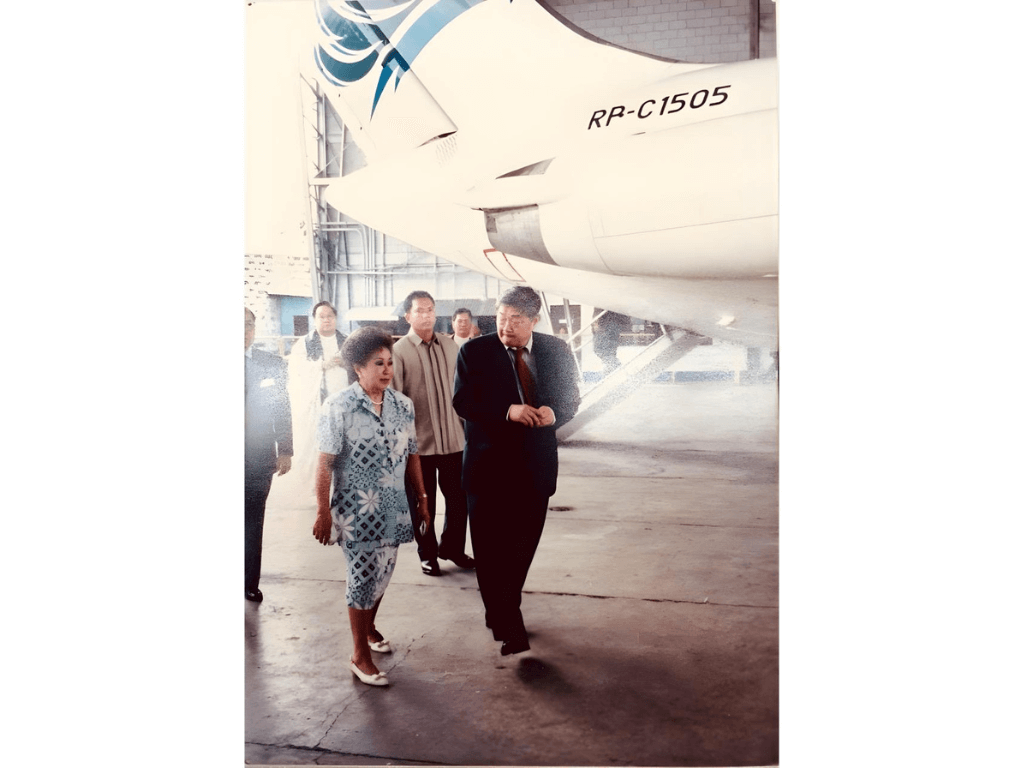
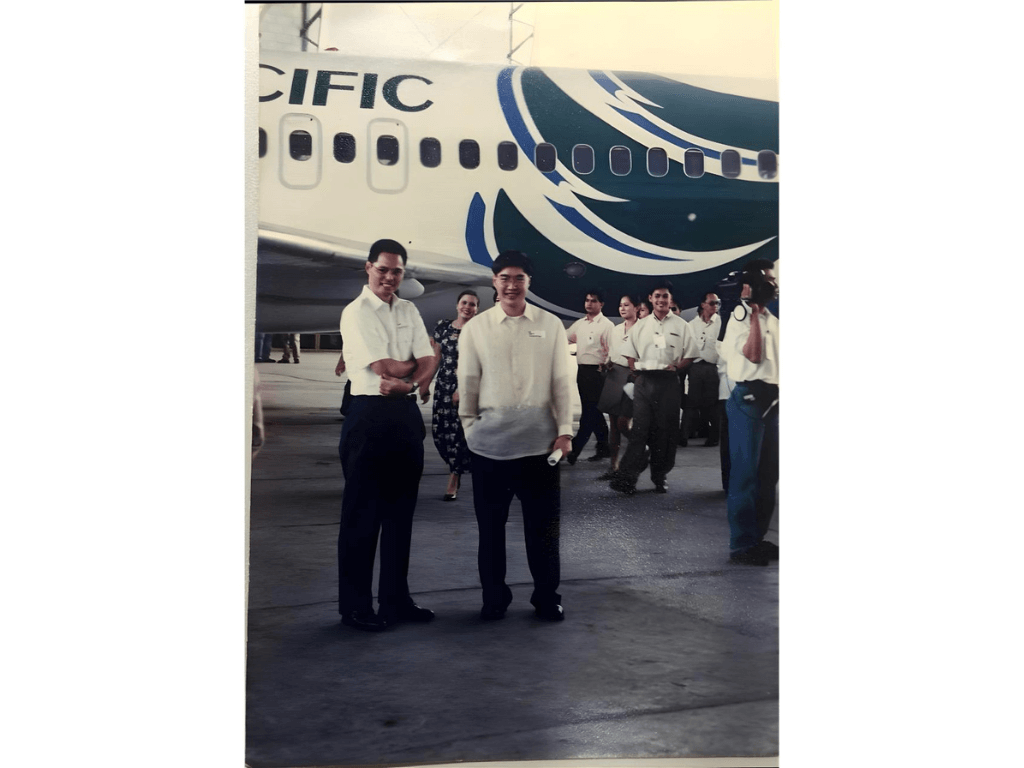
Since launching operations in 1996, the airline has championed the low-cost carrier model in the Philippines, dramatically lowering fares and opening air travel to a broader segment of the population.
What was once considered a luxury became accessible to students, overseas Filipino workers, entrepreneurs, and families traveling across the archipelago.
The big picture
Cebu Pacific’s strategy of offering low fares and frequent seat sales reshaped how Filipinos travel. By stimulating demand rather than simply competing for existing passengers, the airline expanded the entire aviation market.
More Filipinos began flying not only for leisure but also for work, education, and small business opportunities. The rise of affordable air travel helped integrate regional economies and made inter-island mobility faster and more efficient in a country made up of more than 7,600 islands.
The airline’s expansion also intensified competition in the aviation sector, encouraging innovation, better service, and lower prices across the industry.
Tourism multiplier
Affordable flights have also been a major catalyst for tourism growth.

Destinations such as Boracay, Palawan, Cebu, Siargao, and Bohol benefited from increased air connectivity and promotional fares that encouraged domestic and international travelers to explore more parts of the country.
Local economies—from hotels and restaurants to tour operators and transport providers—have grown alongside rising visitor arrivals. For many smaller destinations, new Cebu Pacific routes opened the door to tourism-driven development.

Driving economic activity
Beyond tourism, Cebu Pacific’s operations generate broader economic benefits. The airline supports thousands of direct jobs across aviation, engineering, ground handling, and customer service, while indirectly supporting many more across hospitality, logistics, and airport operations.
Improved connectivity also encourages investment and business expansion outside Metro Manila by making provincial cities more accessible to investors and entrepreneurs.

What’s next
As it enters its fourth decade, Cebu Pacific continues expanding its fleet and route network while investing in fuel-efficient aircraft and digital innovations.
With air travel demand in the Philippines expected to keep rising, the airline’s role in linking communities, supporting tourism, and driving economic activity remains central to the country’s long-term growth story.
— Edited by Daxim L. Lucas