The Philippine Coastwise Shipping Association (PCSA), which represents more than 50 member companies operating over 800 vessels, said road transport accounts for a large share of logistics costs, while improved roads and bypasses could make truck movements more efficient.
The association also pointed out that RoRo terminal fees add another layer of costs to transporting goods between islands, particularly in the Visayas and Mindanao.
Removing these charges could help ease the burden on businesses and consumers amid high fuel prices and inflation, it said.
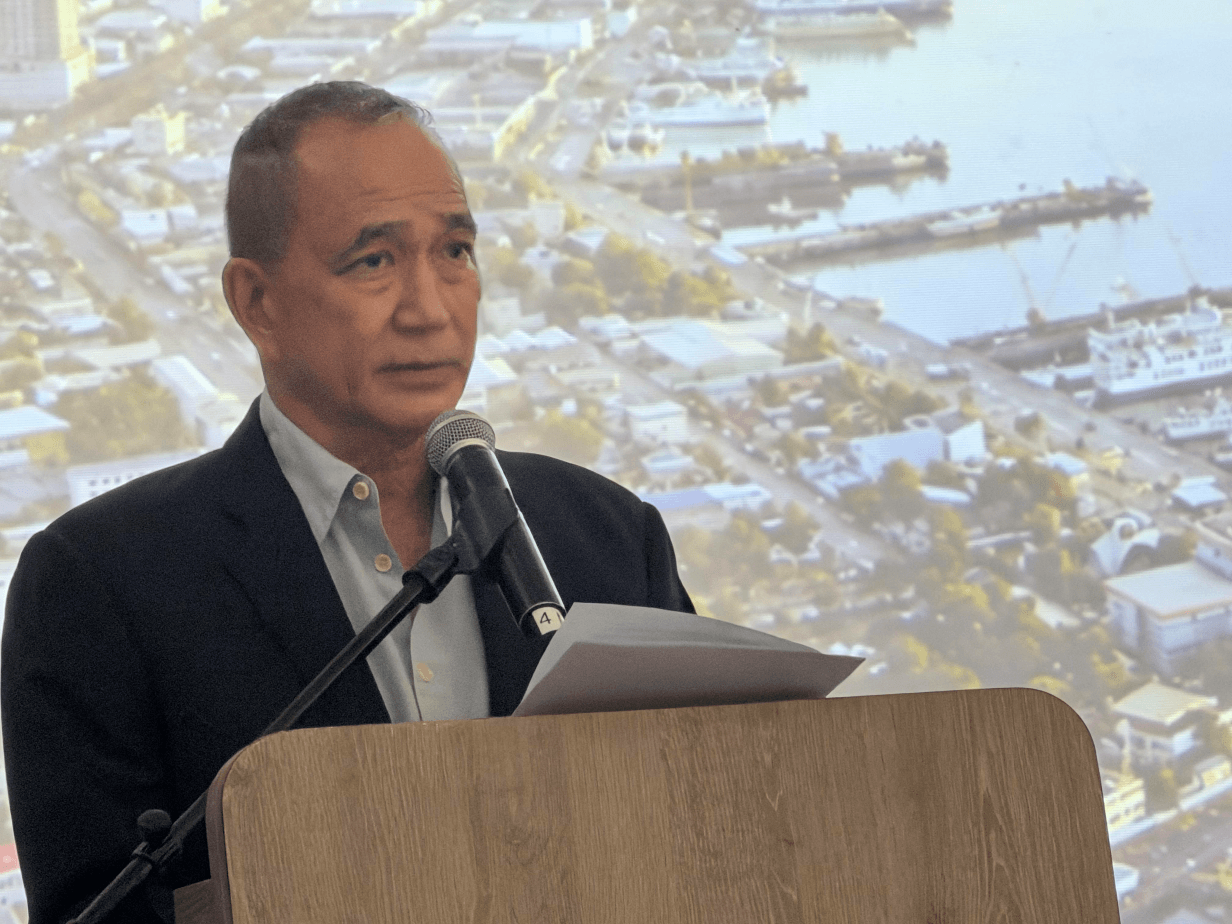
Speaking during the association's general membership meeting at NUSTAR Resort and Casino in Cebu City on Oct. 23, PCSA chair Lucio Lim Jr. urged the government to conduct a comprehensive feasibility study on developing expressway networks across the Visayas and Mindanao.
He also called for reforms that would treat RoRo vessels and ports as extensions of the national highway network.
Lim said these initiatives could become a lasting legacy of the Marcos administration, particularly for residents of the Visayas and Mindanao.
Commitment
Undersecretary Bret Monsanto, who represented Cabinet Secretary Benhur Abalos at the PCSA event, said he attended the gathering to hear the shipping industry's concerns and recommendations and relay them to the Office of the Cabinet Secretary.
Abalos, who was unable to attend the meeting due to an emergency, delivered a video message that was played during the gathering.
“As a Cabinet secretary, this is my commitment to you. I will listen. I will attend your meetings, and I will make sure that whatever challenges, problems that you will face, I will be with you,” he said.
Lim, who owns and operates Lite Shipping Corp., said high transportation costs and inefficient connectivity continue to affect businesses and consumers, particularly in provinces outside Luzon.
"When logistical costs rise, food prices rise. When logistical costs increase, businesses become less competitive. When connectivity is slow and inefficient, economic opportunities become limited," he said.
Lim noted that the concentration of manufacturing hubs in Metro Manila and CALABARZON contributes to higher transportation costs and longer delivery times for goods shipped to the Visayas and Mindanao.
He said improving the country's transport network would not only benefit the logistics industry but also help make essential goods more affordable and create more economic opportunities in the regions.
"Logistics is not merely an industry issue—it is a national development issue, it is an inflation issue and it is a quality-of-life issue," Lim said.
Proposed expressway corridors
Under its proposal, PCSA identified eight strategic expressway corridors that could improve connectivity between production centers, ports and major economic areas.
These include a 230-kilometer expressway linking Bogo City in northern Cebu to Santander in southern Cebu, a 214-kilometer corridor from Caticlan in Aklan to Iloilo City, and a 216-kilometer route between Bacolod City and Dumaguete City.
Other proposed corridors include Calapan City to Roxas in Oriental Mindoro (121 kilometers); Aroroy to Esperanza in Masbate (156 kilometers); Allen in Samar to Liloan in Southern Leyte (406 kilometers); Dapitan City to Zamboanga City (329 kilometers); and Surigao City to Davao City (391 kilometers).
Lim said the proposed expressways could help ease worsening road congestion as the continued growth of online shopping drives demand for faster and more efficient deliveries.
He recommended financing the feasibility studies and eventual construction of the expressways through public-private partnerships (PPPs) or long-term congressional budget allocations.
Lim cited San Miguel Corp.'s South Luzon Expressway Toll Road 5 (SLEX TR5) project as an example of the type of infrastructure development the association envisions.
The proposed 420-kilometer, four-lane expressway would connect Lucena City in Quezon to Matnog in Sorsogon.
According to Lim, the project is expected to cut travel time along the corridor from 15 hours to five hours once completed.
He said similar infrastructure investments in the Visayas and Mindanao could significantly improve the movement of goods and stimulate economic activity outside the country's traditional manufacturing centers.
Remove RoRo terminal fees
In addition to its expressway proposal, PCSA is calling for the removal of RoRo terminal fees, which it considers an additional burden on cargo operators and consumers.
Lim proposed treating RoRo vessels as bridges connecting island highways, with RoRo ports functioning as extensions of the national road network rather than primarily as revenue-generating terminals.
He cited Japan and Norway as examples of countries where ferry services are integrated into broader transport networks.
Under PCSA's proposal, RoRo ports outside the base ports of the Philippine Ports Authority (PPA) and Cebu Port Authority (CPA) could eventually be placed under the management and maintenance of the Department of Public Works and Highways (DPWH).
Lim argued that treating these facilities as public transport infrastructure would help justify removing terminal charges imposed on rolling cargo.
According to PCSA, RoRo terminal fees generally account for five to 10 percent of total freight costs for a 10-wheeler truck. On some short-haul routes, these charges could account for as much as 15 percent.
Lim said these costs are ultimately passed on to consumers through higher prices of food, construction materials and other basic commodities.
"Eliminating these RoRo terminal fees will immediately lower logistics costs and contribute to reducing inflation," he said.
The association also pointed out that the current system requires passengers and rolling cargo operators to pay separate terminal fees after purchasing tickets from shipping companies, creating additional queues and inconvenience at ports. —Ed: Corrie S. Narisma

Contributor