
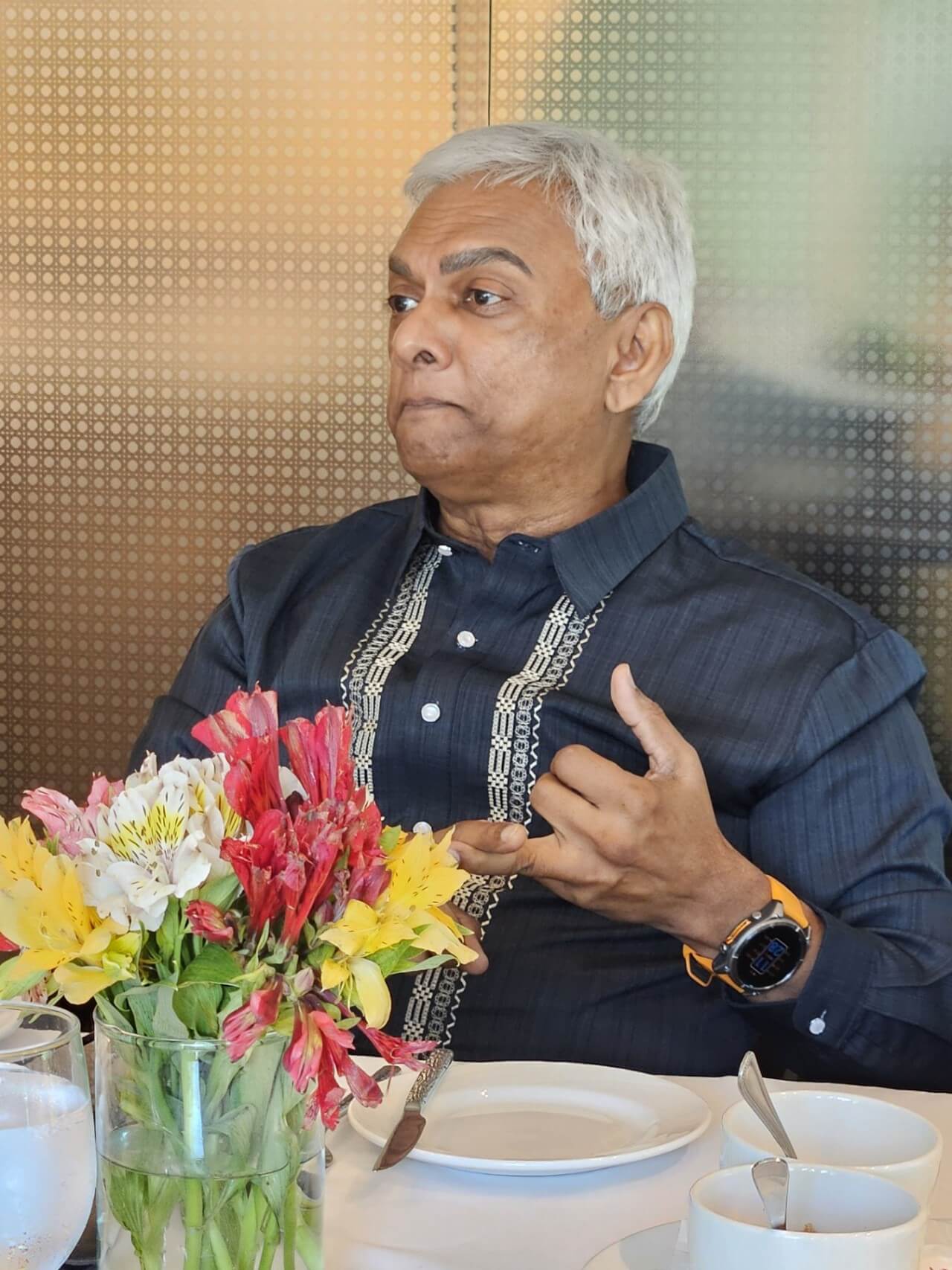
The rollout, backed by roughly P2.1 billion ($35 million) in capital, aims to bring round-the-clock power to more than 11,500 households—benefiting over 50,000 residents and local businesses in underserved communities, WEnergy Global CEO Atem S. Ramsundersingh said.
The project will be undertaken by the Maharlika Consortium, through special purpose companies Archipelago Renewables Corp. (ARC) and ARC II.
The consortium is a recognized leader in microgrid innovation, deploying best-in-class technology that includes advanced solar PV power, high-performance battery storage systems (BESS), hybrid generation, smart meters, and distribution grids.
It is composed of WEnergy Global, CleanGrid Partners and Maharlika Clean Power Holdings.
It bagged this package of 24 microgrid projects following a competitive selection process by the Philippine government under the Qualified Third Party Program(QTP) and the new Microgrid Service Provider (MGSP) Act.
Expanding access to reliable power
The initiative targets remote and island communities that have long relied on limited or expensive diesel-based generation, or have had no access to electricity at all.
Of the 24, 20 will be in northern and southern Palawan, two in Cebu and two in Quezon.
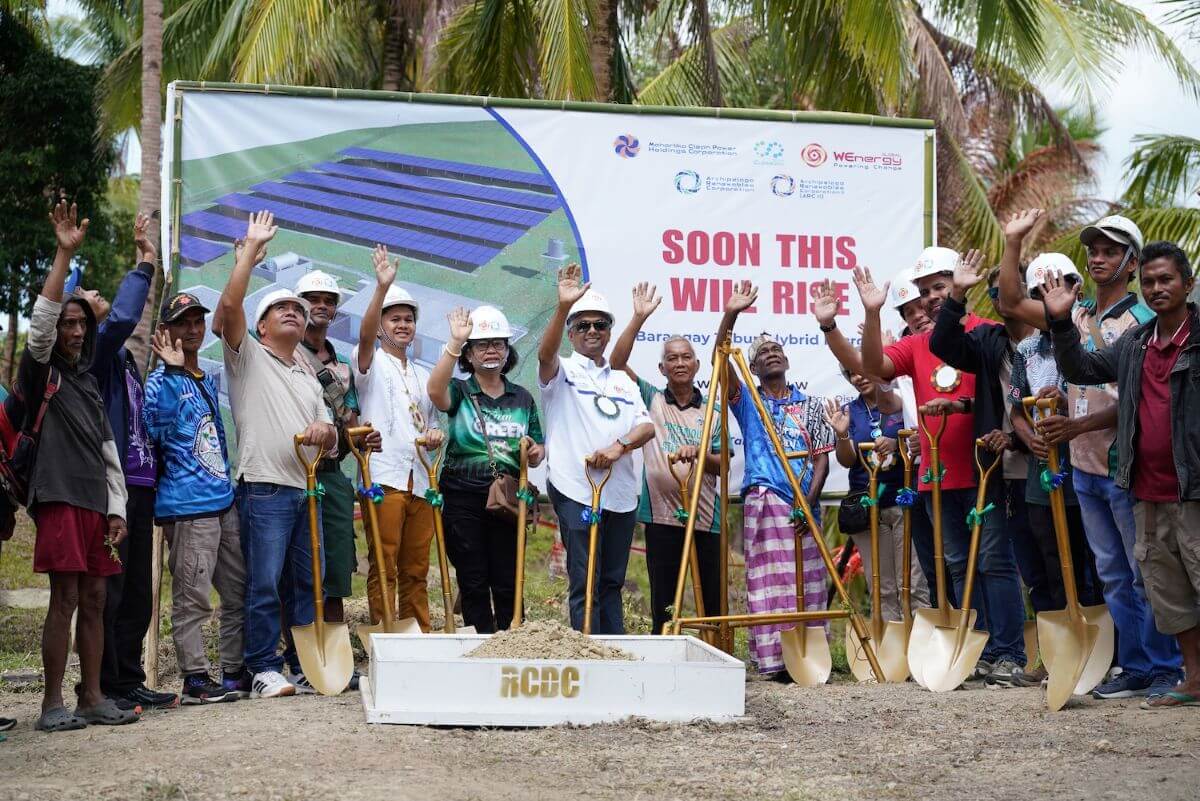
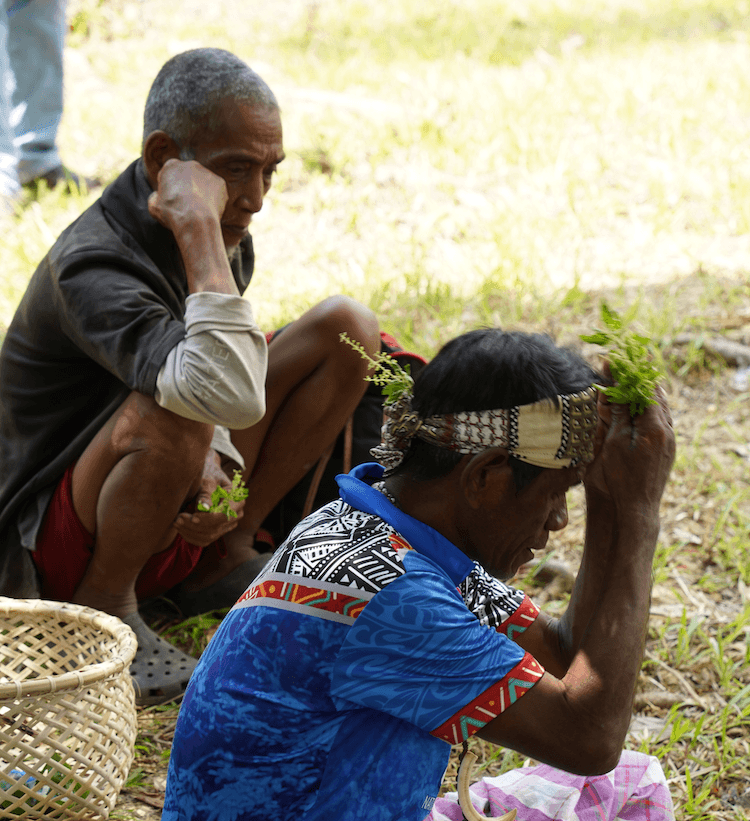
The launch was held last week in two sites — Caruray, San Vicente and Bgy. Taburi, Rizal both in Palawan. The start of construction in other sites will follow soon.
This undertaking is expected to generate about 300 full-time jobs during the 10-12 month construction period, with 30 permanent positions for operations and maintenance (O&M) and additional part-time sub-contractors for maintenance works.)
By deploying hybrid microgrid systems, the project seeks to deliver stable, 24/7 electricity while reducing dependence on fossil fuels.

Microgrids—localized energy systems that can operate independently from the main grid—have emerged as a key solution for electrifying geographically isolated and disadvantaged areas (GIDAs) in the Philippines.
These systems typically combine solar, battery storage, and backup generation to ensure consistent supply.
Ramsundersingh said the project is designed not only to improve energy access but also to unlock economic opportunities in host communities.
Reliable electricity is expected to support small businesses, tourism activities, cold storage, and digital connectivity in areas that have historically lagged behind.
Private sector-led investment
The rollout represents one of the most significant private investments in the country’s microgrid sector to date, signaling growing interest from developers in decentralized energy solutions.
The Energy Regulatory Commission (ERC) has granted the necessary approvals for the project, enabling the consortium to proceed with construction and eventual operations.
The initiative falls under the government’s broader push to achieve total electrification, particularly in off-grid areas where traditional grid expansion is not economically viable.
Industry observers note that private sector participation will be critical in accelerating rural electrification, given the scale of investment required and the logistical challenges of serving remote communities.
Supporting national electrification goals
The Philippines has long grappled with uneven access to electricity, especially across its more than 7,000 islands. While electrification rates have improved over the years, thousands of households remain underserved or unserved.
Projects like the Maharlika Consortium’s microgrid rollout are seen as complementing state-led efforts by the National Power Corp. (NPC) and distribution utilities. By tapping renewable energy and modern storage technologies, these systems can provide cleaner and more cost-effective alternatives to diesel generation.
Once completed, the 24 microgrids are expected to contribute meaningfully to the country’s goal of achieving universal electrification, while also supporting energy transition targets.
Timeline and outlook
Construction is now underway across multiple sites, with phased development expected in the coming months. The consortium has not disclosed a full completion timeline but indicated that deployment will proceed in stages to ensure system reliability and community readiness.
As the project progresses, it is expected to serve as a model for future microgrid developments in the Philippines, particularly in areas where grid extension remains impractical.
Atem said the consortium intends to join the next competitive bidding for another package of microgrid projects set for November this year.
With strong private sector backing and regulatory support, the rollout underscores a growing shift toward decentralized, sustainable energy solutions—bringing power closer to communities that need it most. —Corrie S. Narisma