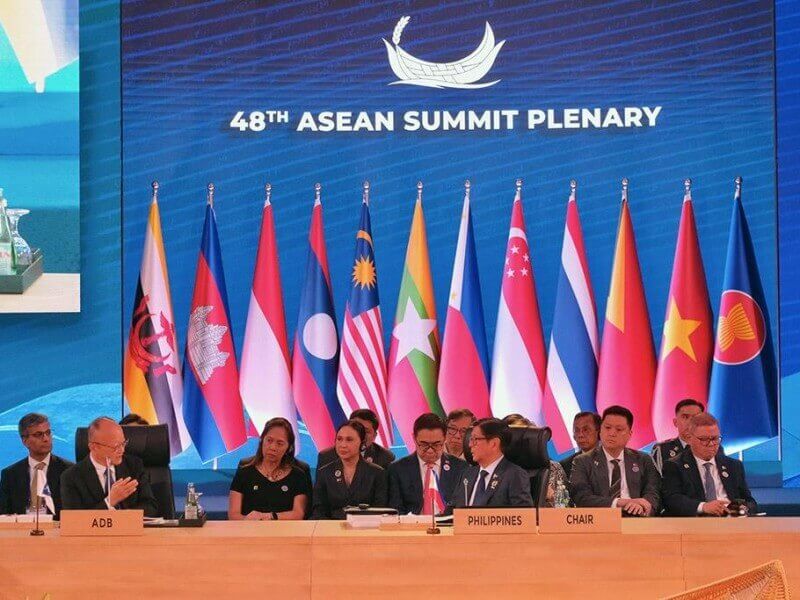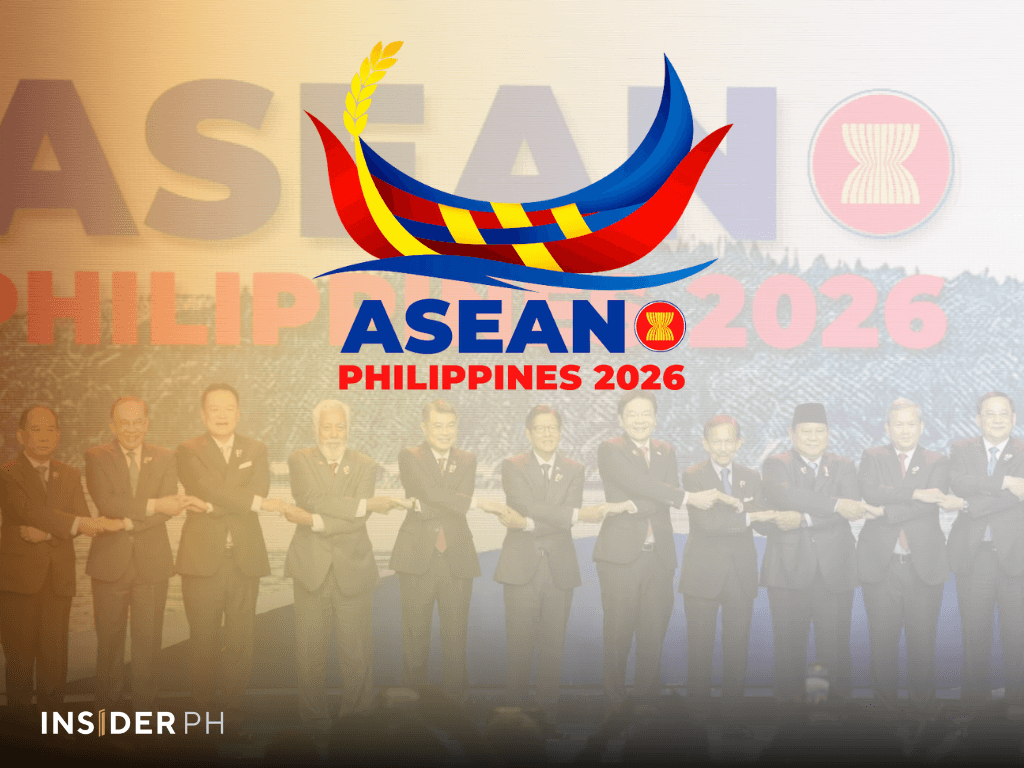
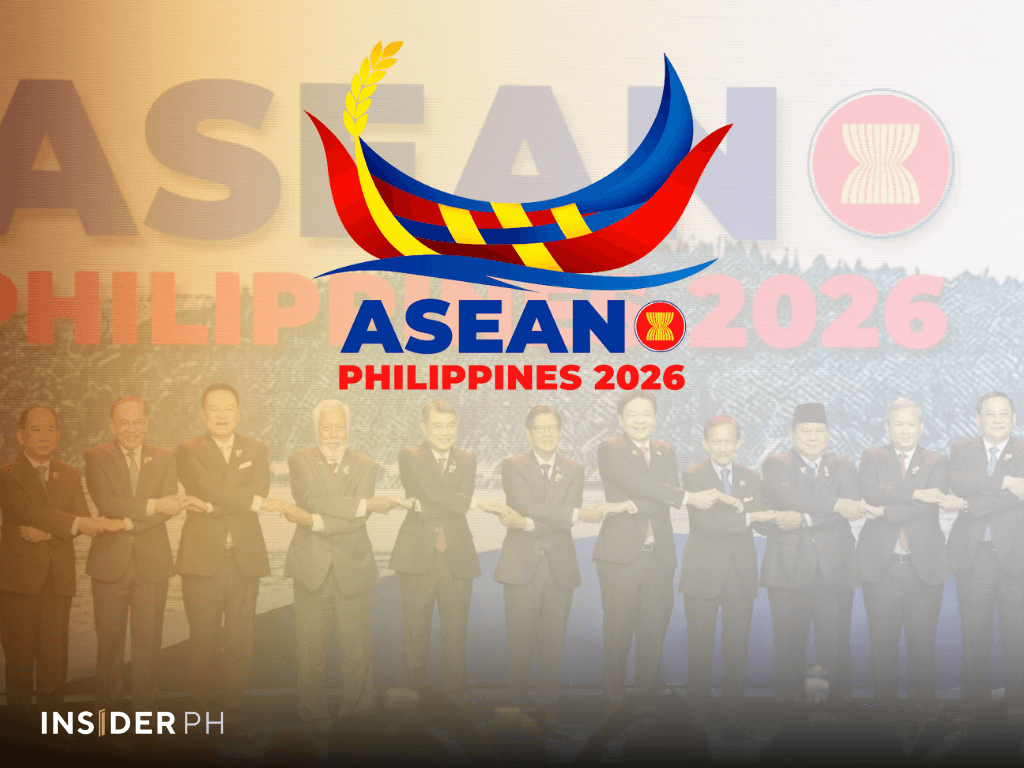
In a statement released on May 9, a day after the ASEAN Summit here, the leaders expressed concern over the rapidly evolving situation in the Middle East, saying it poses threats not only to civilian lives and safety but also to regional and global peace and stability.
While welcoming the ceasefire between the United States and the Islamic Republic of Iran, mediated by the Islamic Republic of Pakistan, as well as ongoing negotiations aimed at achieving a lasting resolution to the conflict, the ASEAN leaders urged all parties to exercise utmost restraint, cease hostilities, and refrain from actions that could further escalate tensions.
“We underscored the importance of maintaining regional peace, stability and prosperity, upholding international law, and promoting genuine dialogue and diplomacy in addressing conflicts and tensions, including the need for a complete and immediate cessation of hostilities across all fronts in the Middle East,” said the statement released in response to the Middle East crisis.
Deepening concerns
The leaders also expressed deep concern over discriminatory or unilateral measures that could impede or obstruct vessels transiting the Strait of Hormuz and other international waterways, in violation of international law.
They called for the restoration of the safe, unimpeded, and continuous passage of vessels and aircraft through the Strait of Hormuz in accordance with the 1982 United Nations Convention on the Law of the Sea (UNCLOS), and urged all parties to ensure the safety of seafarers and ships in line with the International Convention for the Safety of Life at Sea (SOLAS).
They stressed the need to preserve the unimpeded flow of energy and essential goods, including food, agricultural inputs, pharmaceutical products, and transport fuels, in order to safeguard economic stability and strengthen resilience across ASEAN.
“We further reaffirmed the obligations of all states to resolve their differences through peaceful means, and to respect the sovereignty and territorial integrity of all nations, to protect civilians and civilian infrastructure in armed conflicts, and to ensure the safety and security of United Nations peacekeepers and humanitarian personnel, in accordance with international law, including international humanitarian law, the UN Charter, and relevant UNSC (United Nations Security Council) resolutions.”
Energy security
In response to the crisis, the ASEAN leaders outlined several priority actions, including strengthening crisis coordination and consultation mechanisms at all levels to ensure a coherent, timely, and coordinated regional response to cross-sectoral challenges.
To bolster energy security and regional resilience, the leaders also called for the swift completion of national ratification processes for the ASEAN Framework Agreement on Petroleum Security (APSA), to facilitate its earliest possible entry into force and operationalization.
President Ferdinand Marcos Jr. explained during a press briefing that the APSA would function similarly to ASEAN’s emergency rice reserve system, which allows member states to assist one another during food shortages and other emergencies.
According to the President, the proposed petroleum reserve mechanism would act as an emergency supply buffer in times of war, geopolitical tensions, or disruptions along key trade routes.
“But beyond that is the reserve, so that we have something in reserve,” Marcos said. “And when something like this happens, a war happens, a trade route like the Strait of Hormuz is closed, and with all the attendant effects, we have somewhere to immediately run to for emergency supplies.”
Coordination
The ASEAN leaders also agreed to strengthen regional energy security and resilience through deeper cooperation and coordination, including diversifying energy supplies through the transition to clean and renewable energy, expanding sources of crude oil and refined petroleum products, and enhancing intra-ASEAN energy trade.
They likewise committed to accelerating biodiesel and bioethanol blending programs, promoting the adoption of electric vehicles and electric cooking technologies, expanding renewable energy deployment, and exploring the potential of emerging technologies — including civilian nuclear energy — in accordance with international safety standards.
On energy, the leaders pushed to strengthen and expand multilateral and multidirectional cross-border power trading, as well as accelerate the development of the ASEAN Power Grid (APG).
They cited ongoing power-trading initiatives under the Lao PDR-Thailand-Malaysia-Singapore Power Integration Project (LTMS-PIP) and the Brunei Darussalam-Indonesia-Malaysia-Philippines Power Integration Project (BIMP-PIP), alongside efforts to advance the Trans-ASEAN Gas Pipeline (TAGP).
The leaders also agreed to enhance coordination with external partners to mobilize technical and financial support for regional energy resilience and infrastructure development.
Mechanisms
On food security and agricultural supply chains, the ASEAN leaders called for enhanced regional monitoring mechanisms through more frequent and timely information sharing on food production, fertilizer supply, prices, and logistics disruptions, among others. They also underscored the need for stronger cross-sectoral coordination to ensure the stability and accessibility of essential commodities across the region.
The leaders likewise reaffirmed the importance of maintaining freedom of navigation, as well as the unimpeded and continuous transit passage of vessels and aircraft through straits used for international navigation.
They also committed to strengthening intra-ASEAN trade and supply chain connectivity through improved logistics coordination, timely information sharing, and sustained consultations, while ensuring that critical trade infrastructure — including land borders, airports, and seaports — remains open.
Movement of goods
The leaders also vowed to accelerate regional initiatives aimed at ensuring the seamless movement of essential goods across the region, including by enhancing transparency and predictability in customs procedures through the wider adoption of digital technologies and the expansion of the ASEAN Single Window to Dialogue Partners.
They likewise committed to supporting micro, small, and medium enterprises (MSMEs) through improved access to financing, digital tools, and capacity-building initiatives to help ensure their continued participation in regional and global value chains. —Ed: Corrie S. Narisma

Contributor