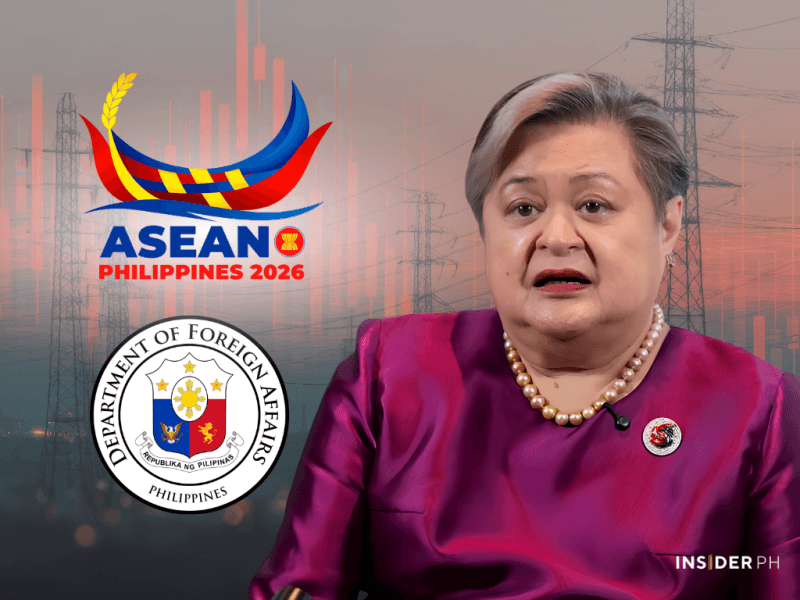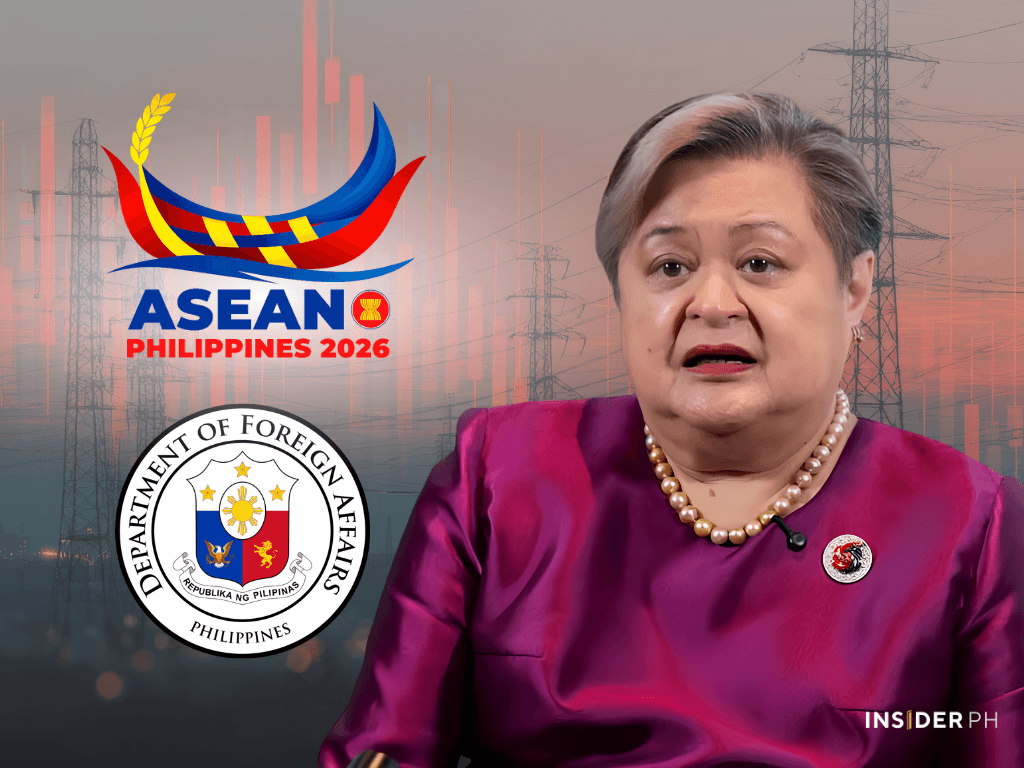
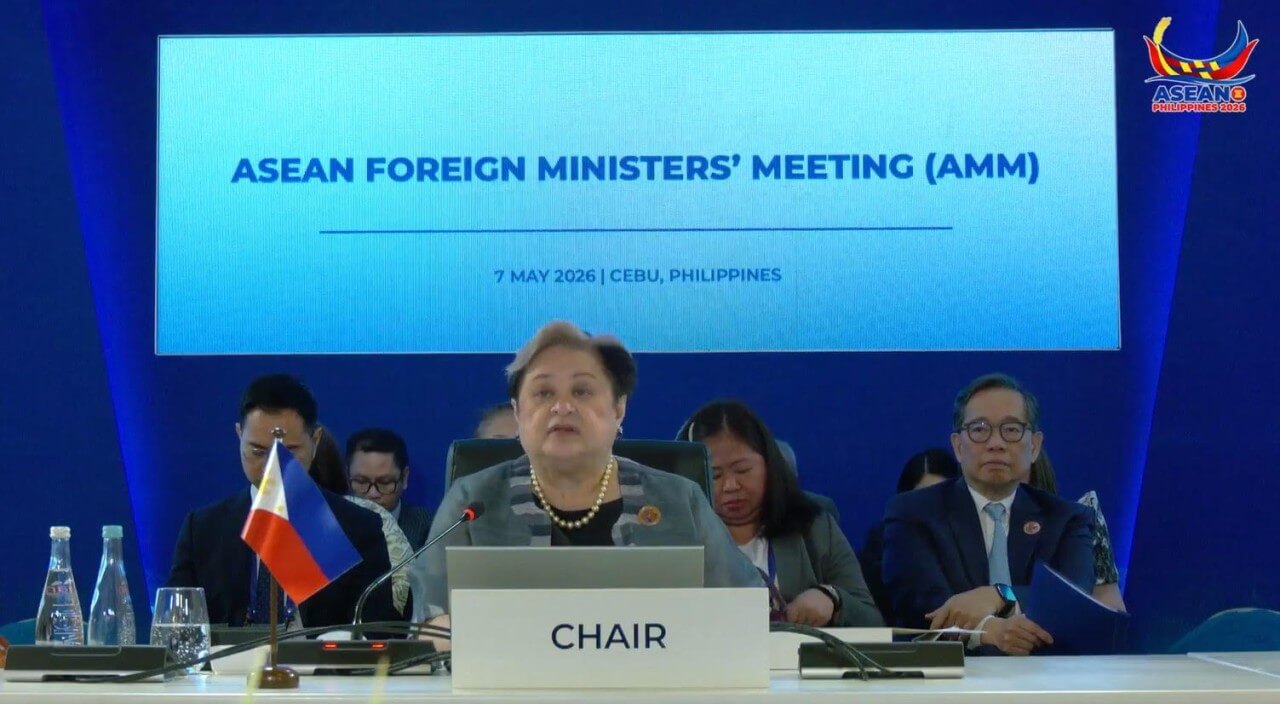
Speaking at the opening of the ASEAN Foreign Ministers’ Meeting in Cebu, Lazaro stressed the need for ASEAN to strengthen its institutional readiness and collective response mechanisms amid growing external challenges affecting energy security, trade flows, and food supply chains.
“Navigating uncertainty requires both agility in responding to immediate and pressing challenges and steadfast commitment in pursuing our long-term goals under the ASEAN Community Vision 2045,” said Lazaro, who chairs this year’s ASEAN Foreign Ministers’ Meeting.
Regional impact
The escalating conflict in the Middle East has taken center stage in ministerial meetings leading up to the ASEAN Leaders’ Summit on May 8, with concerns mounting over disrupted energy flows, trade routes, and food supply chains.
The crisis is already reverberating across Southeast Asia, threatening economic stability and livelihoods in a region heavily reliant on imported fuel and global trade.
“For ASEAN, which imports about 66 percent of its crude oil, this crisis meant significant increases in fuel and energy costs, which eventually led to higher prices for agricultural inputs, food, and other basic commodities,” Lazaro said.
She warned that developments beyond Southeast Asia can have “immediate and profound effects” on ASEAN economies, pointing to disruptions in transportation, tourism, and overseas employment.
The worsening tensions have also heightened concerns over the safety and welfare of millions of ASEAN nationals living and working in the Middle East.
Coordinated response
Lazaro said ASEAN foreign ministers had convened two special meetings in March and April to craft a coordinated response to the Middle East crisis.
The meetings, she said, reflected ASEAN’s determination to act “with urgency, coordinate closely, and respond collectively” amid growing geopolitical and economic uncertainties.
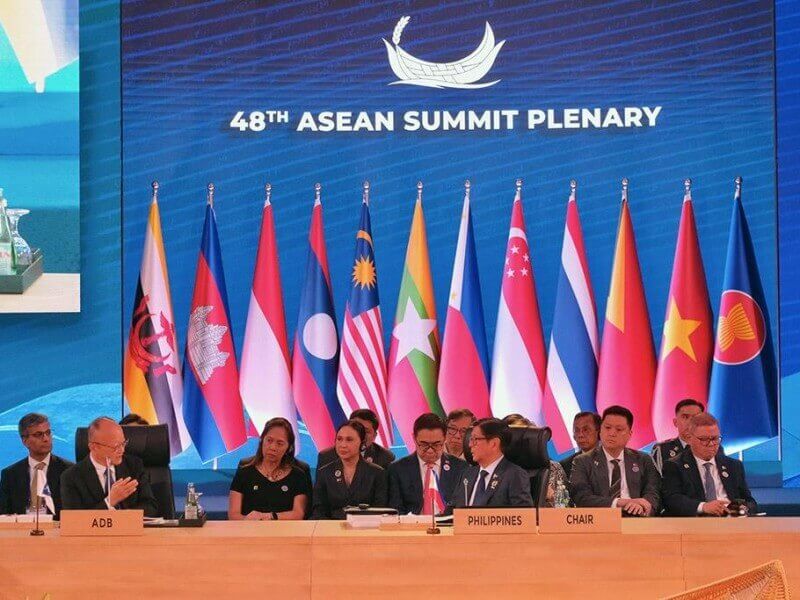
As chair of the 48th ASEAN Summit, the Philippines is expected to endorse several key outcome documents aimed at strengthening regional cooperation and institutional mechanisms.
Among them is the Cebu Protocol, which seeks to amend the ASEAN Charter for the first time since its adoption in 2007.
Also up for endorsement is the ASEAN Leaders’ Declaration on Maritime Cooperation, which aims to deepen regional maritime collaboration through initiatives such as elevating the ASEAN Coast Guard Forum into an ASEAN Sectoral Body.
The declaration will likewise support the proposed establishment of an ASEAN Maritime Centre in the Philippines.
Summit agenda
ASEAN leaders are also expected to adopt an ASEAN Leaders’ Statement on the Response to the Middle East Crisis, which stemmed from the special foreign ministers’ meetings convened by the Philippines earlier this year.
The summit in Lapu-Lapu City has gathered leaders from Brunei Darussalam, Cambodia, Indonesia, Lao PDR, Malaysia, Myanmar, the Philippines, Singapore, Thailand, Timor-Leste, and Vietnam.
Myanmar, however, is represented by U Hau Khan Sum, permanent secretary of the Ministry of Foreign Affairs, in line with ASEAN’s policy on the country’s political crisis.
Economic concerns
Philippine Trade Secretary Ma. Cristina Roque, who chairs the ASEAN Economic Community (AEC) Council Ministers, echoed Lazaro’s concerns, saying the Middle East conflict has shown how quickly external shocks can reshape the region’s economic landscape.
“What began as a distant crisis is already affecting energy prices, supply chains, and economic conditions across ASEAN,” Roque said.
“These are a reminder that our economies and our vulnerabilities are closely linked.”
Roque noted that rising fuel and food prices are straining households while businesses, particularly micro, small and medium enterprises (MSMEs), struggle with increasing costs and uncertainty.
She stressed that no ASEAN member-state could manage the challenges alone and called for coordinated and practical responses to stabilize energy supplies and manage inflationary pressures.
“If we act together, we reinforce stability. If we act decisively, we strengthen confidence. And if we focus on implementation, we deliver results our people can feel,” Roque said.
The ASEAN summit continues Thursday with leaders expected to finalize agreements addressing regional security, economic resilience, and geopolitical cooperation. —Ed: Corrie S. Narisma

Contributor