Insider Spotlight
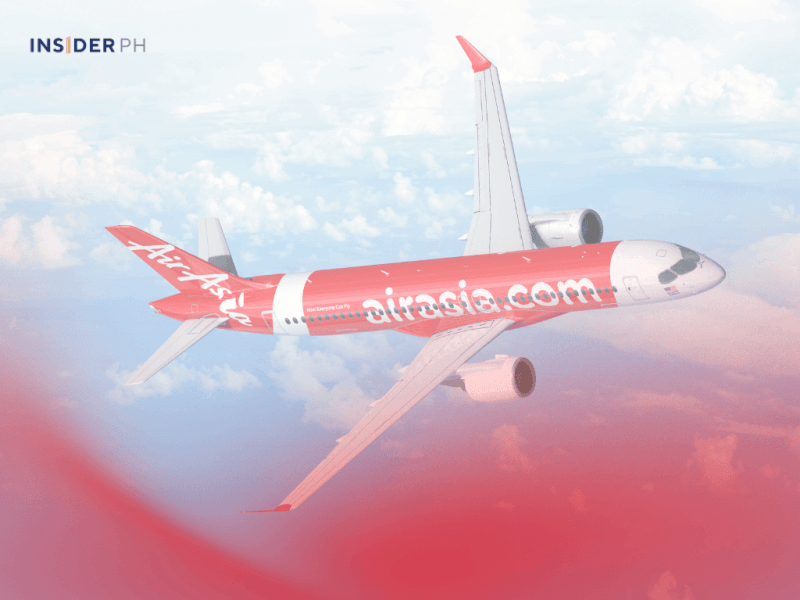
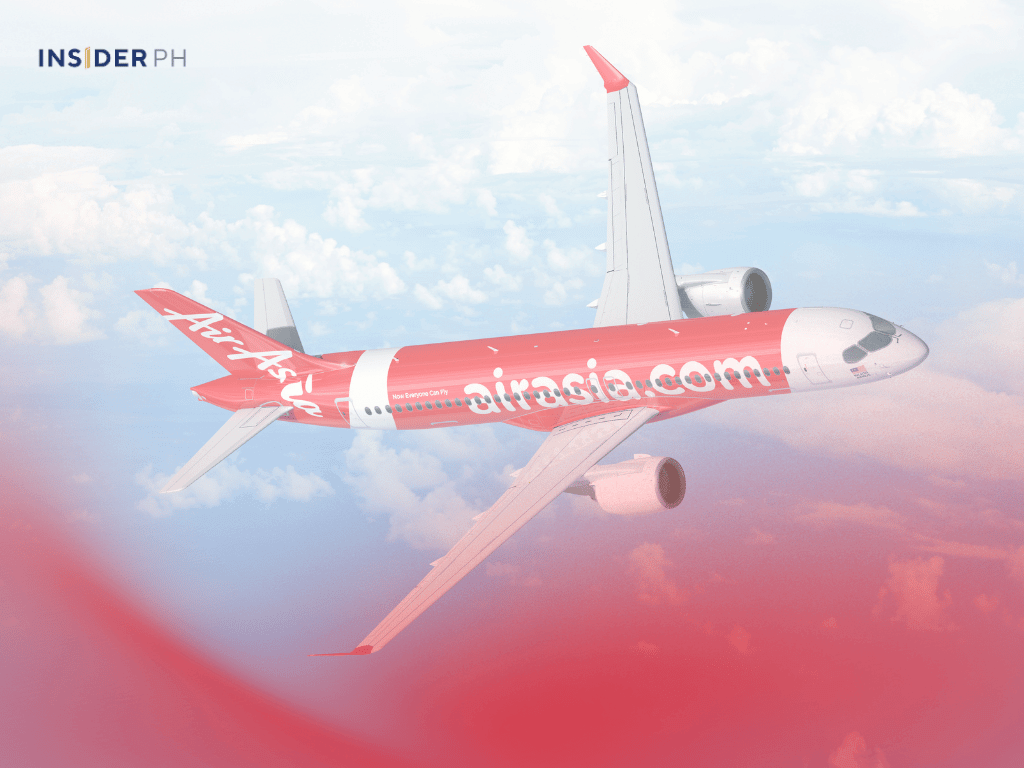
The agreement, valued at about $19 billion at list prices, also includes options for another 150 aircraft, giving the low-cost carrier flexibility to scale its operations as demand grows.
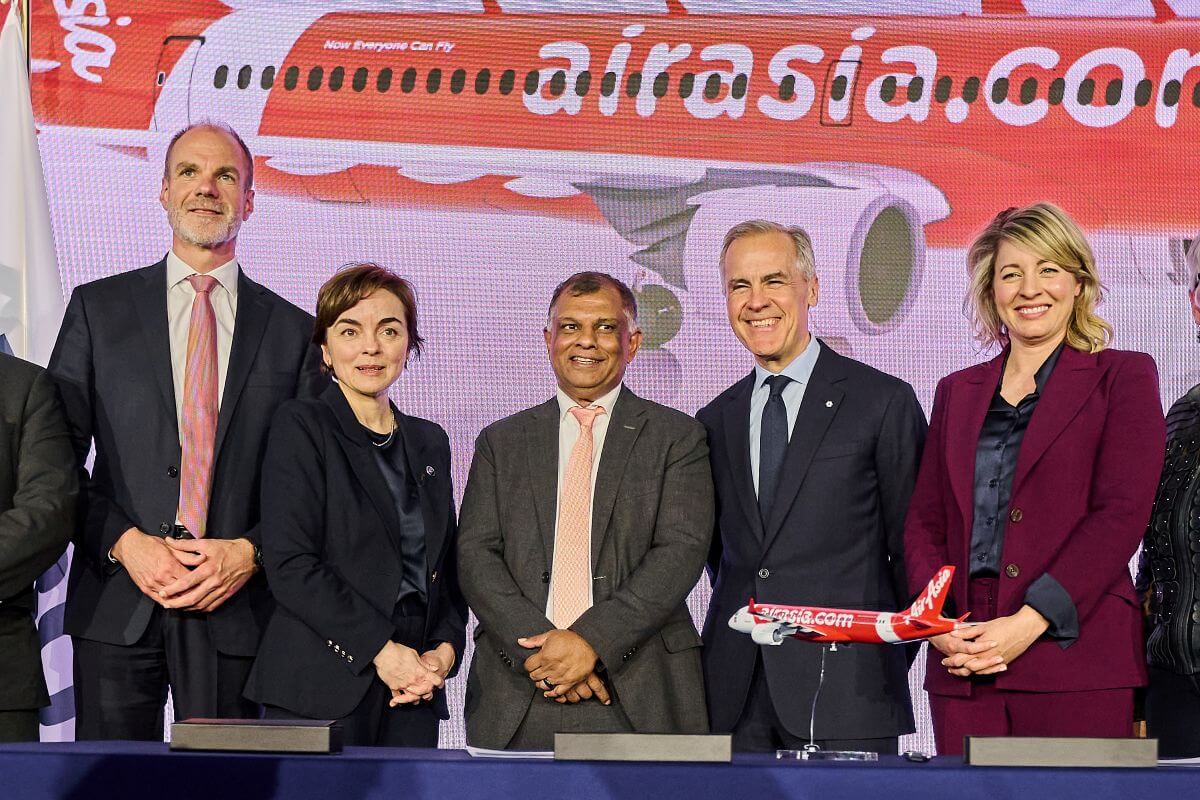
The order was unveiled during a ceremony at Airbus’ Mirabel facility in Canada attended by Capital A CEO Tony Fernandes and Airbus Commercial Aircraft CEO Lars Wagner, alongside Canadian Prime Minister Mark Carney, Quebec Premier Christine Frechette and Canada Industry Minister Melanie Joly.
Why it matters
The acquisition positions AirAsia to accelerate its ambition of becoming the world’s first fully connected narrowbody low-cost network carrier. The airline plans to gradually phase out older A330 aircraft in favor of a high-utilization narrowbody fleet composed of the A220 family alongside the A321neo, A321LR and A321XLR.
AirAsia said the new aircraft will help it expand into underserved secondary cities and thinner high-growth routes that were previously not commercially viable, according to a company statement. The A220’s lower operating costs and fuel efficiency are also expected to improve margins amid elevated fuel prices and ongoing market volatility.
“AirAsia has spent more than two decades making the world smaller. We built Malaysia into the world's top low-cost carrier hub, and we opened up air travel to millions of people across Asia who had never flown before,” said Bo Lingam, Group CEO of AirAsia Group.
“This plane gives us the ability to build the biggest and densest network, serving as a vital tool for efficiency. Its range of up to 7 hours opens up entirely new possibilities, and allows us to match right-sized capacity to demand and give our guests the flexibility to fly whenever they want through increased frequencies.”
The details
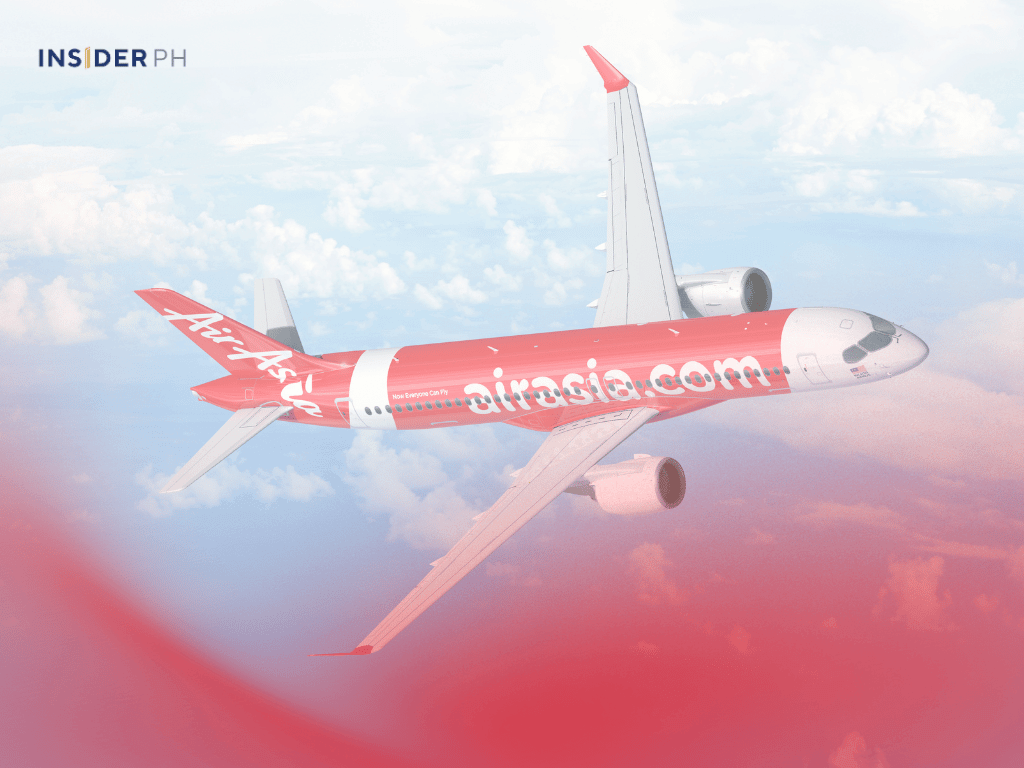
AirAsia will become the global launch customer for the high-density 160-seat configuration of the A220. The aircraft is designed to deliver roughly 20 percent lower fuel consumption and emissions compared with older A320ceo jets.
The airline said the A220-500 variant will eventually replace aging A320 aircraft while maintaining similar seating capacity of more than 180 passengers.
Tony Fernandes said the order reflects AirAsia’s strategy of “doubling down on efficiency” during uncertain market conditions.
“In an environment of high fuel prices and volatility, the answer is not to stand still, it’s to double down on efficiency. This aircraft materially improves our fuel burn and trip costs, strengthening our resilience regardless of where the cycle goes,” Fernandes said.
“We never waste a crisis at AirAsia — we make bold decisions at the right moment, not the easiest moment. This order reflects our long-term discipline and the scale of our ambitions.”
Airbus also said the deal aligns with AirAsia’s broader network strategy across Asia and beyond.
“The A220 will provide an optimal platform for AirAsia, combining low operating costs with the latest technology to maximise productivity and also open up new routes across Asia that were not feasible before,” said Lars Wagner, CEO of Airbus Commercial Aircraft.
What’s next
Deliveries are expected to begin in 2028, with the aircraft initially deployed across Asean and broader Asia-Pacific markets. The shift will allow larger A320 and A321 aircraft to focus on medium-haul routes, while A330s will operate longer-haul services to Europe, Australia and North America. —Princess Daisy C. Ominga | Ed: Corrie S. Narisma