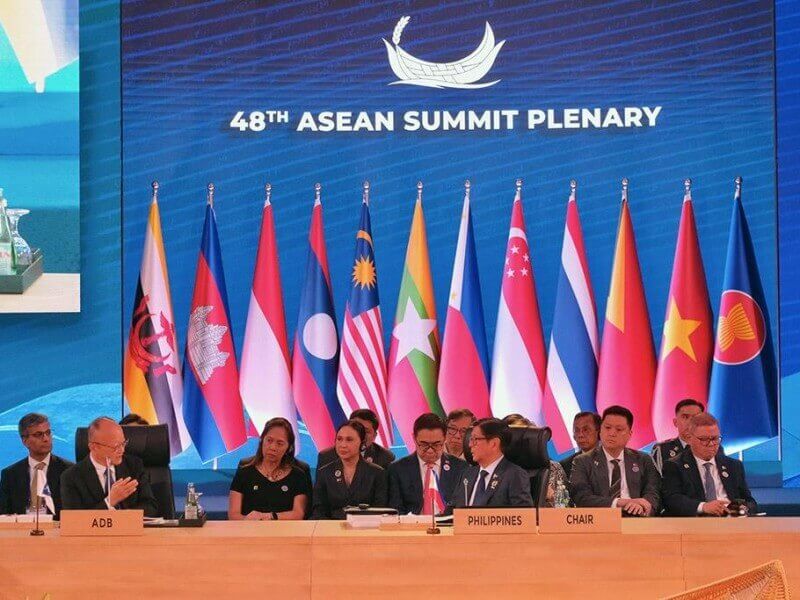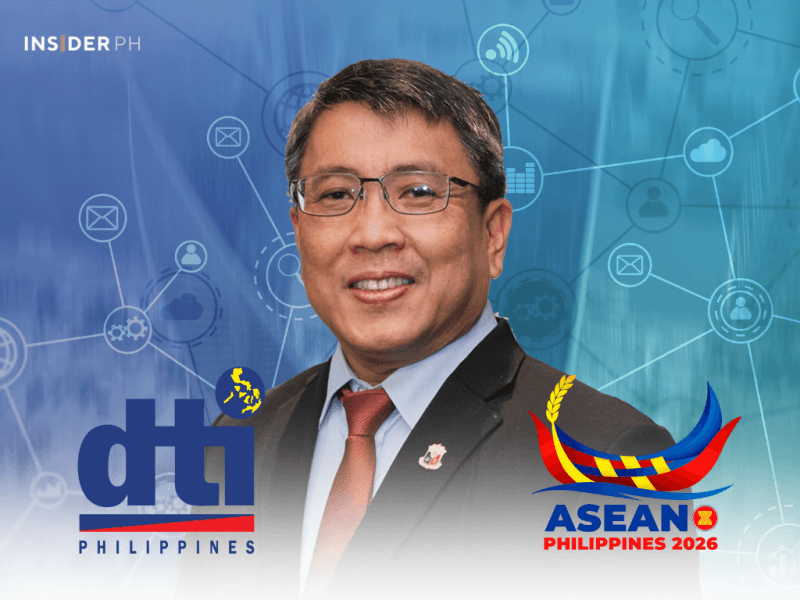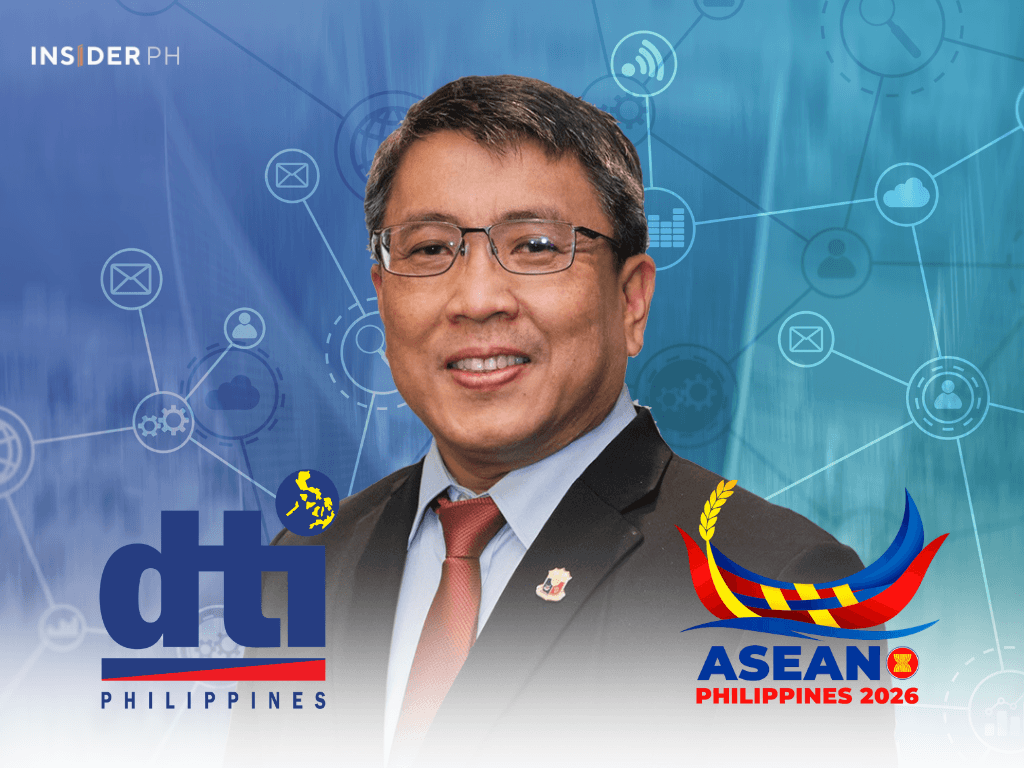
Speaking during a news conference at the International Media Center for the 48th ASEAN Summit on May 6, Trade Undersecretary Allan Gepty said the ongoing energy crisis underscored the need for stronger regional cooperation, noting that individual national responses are no longer enough to sustain trade flows, prevent unnecessary restrictions and maintain investor confidence.
“We must strengthen regional coordination—particularly in energy security, food security, logistics and supply chain resilience. A more integrated ASEAN is not just an aspiration; it is a necessity,” Gepty stressed.

Integrated power grid
One of the priority economic deliverables during the 48th ASEAN Summit on May 8 is the implementation of the memorandum of understanding (MOU) on the ASEAN Power Grid, which is envisioned to facilitate cross-border electricity trade across the region.
Gepty said the MOU would establish the legal, technical and policy framework needed to support regional energy connectivity and pave the way for cross-border electricity transmission through submarine power cables.
He added that the ASEAN Power Grid is viewed as a long-term solution to energy security concerns, benefiting not only businesses and micro, small and medium enterprises (MSMEs), but all sectors of the economy.
Green projects
Another priority economic deliverable is the regional implementation of an investment action plan focused on green projects.
“This means we can fast-track and facilitate the transition to a green economy. In other words, we will be helping investors in the region, as well as our foreign partners, invest in suitable projects such as solar and offshore wind developments, among others,” Gepty said.
He also emphasized that food security remains part of the ASEAN Leaders’ Summit priority agenda, particularly through the promotion of regenerative and resilient agricultural systems.
“This means helping farmers adopt modern methods and technologies that will enhance productivity and strengthen food security across the region,” he added.
MSMEs center
Gepty also said micro, small and medium enterprises (MSMEs) stand to benefit from the ongoing ASEAN discussions, citing plans to establish a regional center for MSMEs that would consolidate programs, projects and initiatives supporting small businesses across the bloc.
Another key agenda item is the conclusion and signing of the Digital Economy Framework Agreement, which aims to strengthen regional payment interconnectivity and improve digital trade across ASEAN.
“Online platforms serve as a great equalizer for MSMEs seeking access to foreign markets. Establishing a common set of rules governing online transactions would be highly beneficial,” Gepty said.
He added that stakeholders across the region are looking forward to the agreement’s conclusion and signing, as well as initiatives promoting regional payment interconnectivity, noting that these are vital to businesses.
Global market
“Because of ASEAN economic integration, markets for our MSMEs are no longer limited to the Philippines or Cebu alone. They now have access to the entire region and even the global market through the various trade agreements we have forged,” Gepty said.
He noted that one way MSMEs can integrate into the global value chain is by exporting their products not only within Southeast Asia but also to other parts of the world through preferential market access arrangements, including reduced or zero tariffs.
Gepty added that simplified trade procedures also help MSMEs expand their reach into international markets.
However, he stressed that exports are not the only pathway for MSMEs to participate in the global economy. Small businesses can also integrate into global value chains by supplying products and services to large local and multinational companies already engaged in international trade.
As an example, Gepty cited mango producers supplying fruit to companies that process them into derivative products for export.
Exporting service
Aside from exporting products, businesses can also provide services to regional and global markets.
Gepty noted that Filipino designers, for example, could have their work adopted or integrated into projects in other countries across the region.
“In other words, regional integration is not confined solely to the trade of goods. We can also take advantage of the liberalization of services that ASEAN has adopted,” Gepty said.
He added that encouraging greater investments across the region would further strengthen opportunities for businesses and professionals alike. —Ed: Corrie S. Narisma

Contributor