
Insider Spotlight
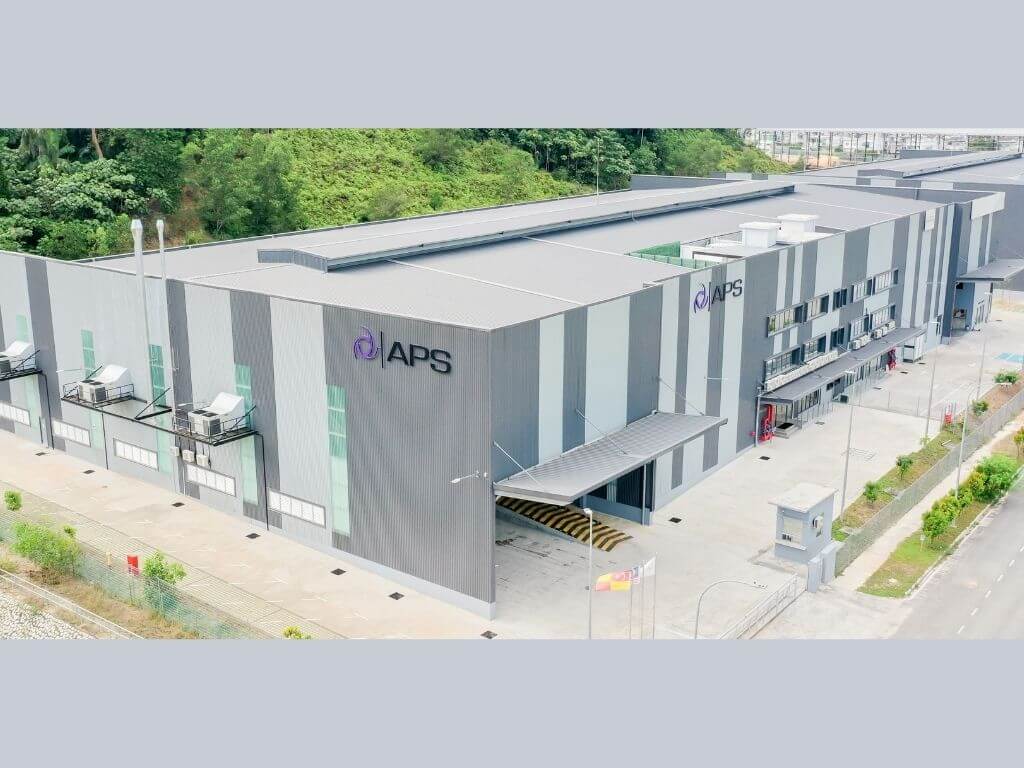
The Subang, Malaysia-based MRO (maintenance, repair and operations) facility has secured certification from the Civil Aviation Authority of the Philippines (CAAP) and the Civil Aviation Authority of Nepal (CAAN), enabling it to maintain, repair and overhaul Collins Aerospace 568F propeller systems used on ATR aircraft. The facility also earned AS9100 certification, reinforcing its role as a regional reliability hub.
Why it matters
Fleet availability is a critical constraint for airlines operating short-runway, high-frequency turboprop networks. Until now, operators in both countries were forced to ship propellers to North America or Europe, often sidelining aircraft for weeks.
“Airlines in Nepal and the Philippines previously had to ship their propellers to North America or Europe for repairs and overhaul. Keeping the propellers in the region, by sending them to our Malaysia facility, reduces turnaround times, simplifies logistics and improves fleet availability,” Fergus Lopez, managing director of APS Asia-Pacific, said in a press statement on Feb. 2, 2026.
The big picture
The Philippines has 26 active ATR aircraft, while Nepal operates 23. These fleets form the backbone of domestic air travel, serving remote islands and high-altitude airports where jet aircraft are impractical.
Shorter maintenance cycles translate directly into more aircraft available for service, fewer schedule disruptions, and lower spare aircraft requirements. For airlines operating thin-margin domestic routes, incremental gains in availability can have an outsized impact on profitability and network resilience.
What’s new
APS Malaysia is now the only MRO organisation in Asia-Pacific licensed by the OEM (original equipment manufacturer) to perform major inspections on the 568F propeller system. Combined with existing approvals from the US Federal Aviation Administration and the Civil Aviation Authority of Malaysia, the new certifications allow ATR operators to centralize propeller work within the region.
“The certifications from the CAAP and CAAN are significant, because these two countries have a large installed fleet of ATR aircraft and several operators. Combined with our AS9100 certification, these regulatory validations reinforce APS Malaysia as a trusted regional hub for propeller and component MRO,” Lopez said.
What to watch
As turboprop fleets age and utilization rises, demand for faster, regionally based MRO support is expected to grow. Improved fleet availability could also support route expansion into underserved communities, strengthening air connectivity across archipelagic and mountainous markets.
For APS, the approvals position Malaysia as a strategic chokepoint in keeping ATR aircraft flying, not just compliant. — Vanessa Hidalgo | Ed: Daxim L. Lucas