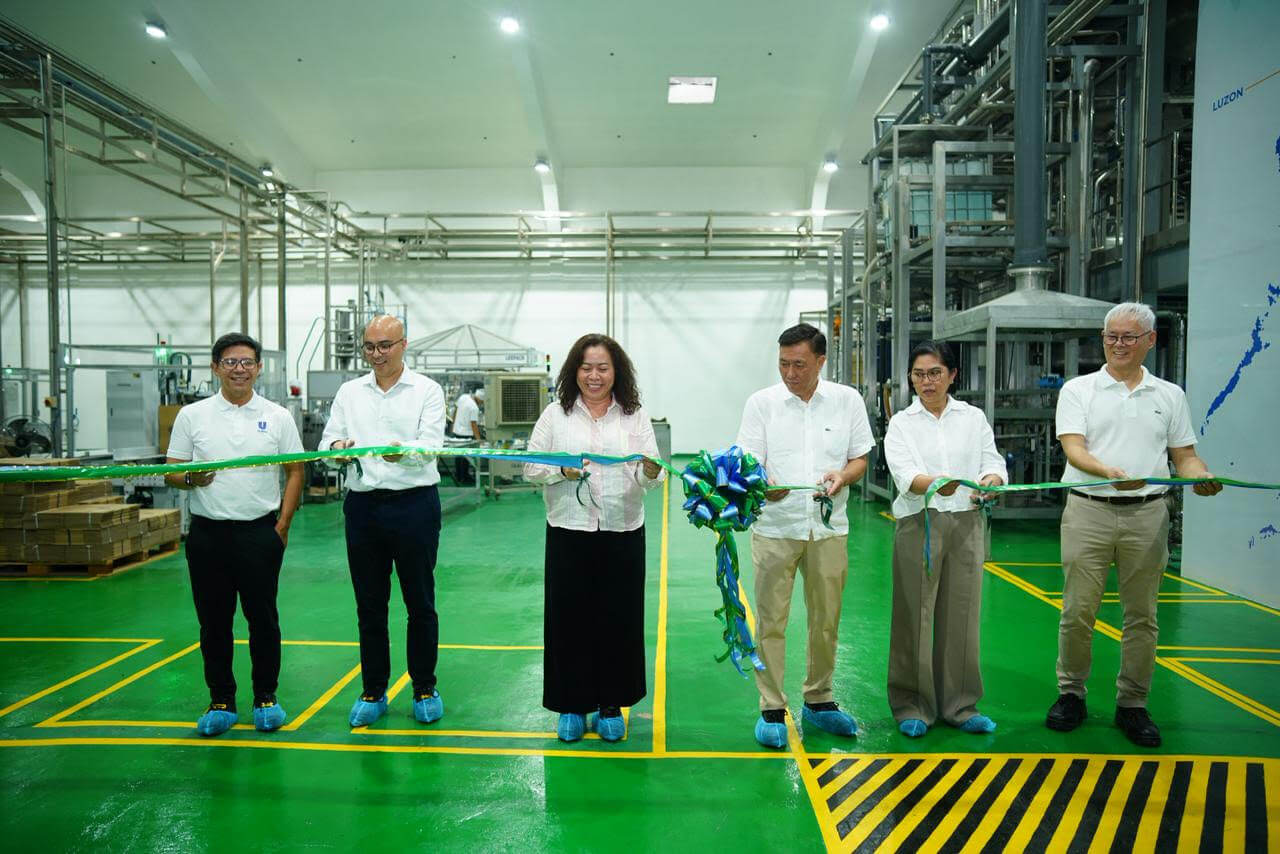
The 1,600-square-meter site in Mandaue City, Cebu is expected to strengthen Unilever’s national footprint while advancing a more localized and sustainable supply chain.
The facility, inaugurated on Feb. 25, is already operational. It produces home care products such as FabClean liquid detergents and Surf fabric conditioners, supporting growing demand across Visayas and Mindanao.
Mandaue was chosen for its strategic location as Cebu’s commercial and industrial hub, enabling a more agile and efficient supply chain.
The facility not only improves access to products outside Luzon but also fosters livelihood opportunities and strengthens regional economies.
Collaboration
“Collaborating with local partners is essential to building a more agile and resilient local supply chain. It allows us to serve Filipino households faster and efficiently, all while fostering livelihood opportunities and strengthening regional economies.” said Van Nguyen-thi-bich, general manager for Home Care Unilever Greater Asia, in a statement.
By bringing products closer to consumers, Unilever Philippines improves operational agility, shortens lead times, lowers transport costs, supports regional livelihoods, and reduces logistics-related emissions—contributing to the company’s long-term net-zero agenda.
The Cebu Home Care facility will also integrate systems to reduce its carbon footprint and ease port congestion by eliminating the need for sea shipments from Luzon to Visayas and Mindanao.
The facility is also expected to leverage the refreshed Unilever Manufacturing System (UMS), a transformative digital framework used across the company’s regional factories.
The system is a customized evolution of World Class Manufacturing (WCM), integrating digital technologies, analytics, and artificial intelligence to create a leaner, more agile, and efficient supply chain.
Sustaining growth momentum
The Philippines remains one of the fastest-growing FMCG (fast-moving consumer goods) markets in the ASEAN, with steady growth across beauty and wellbeing, personal care, foods, and home care.
“This collaborative manufacturing facility expands a more distributed production footprint across the country, supporting Filipino communities and strengthening the consumer goods industry,” said Navdeep Singh, head of supply chain, Philippines and VP customer operations, Unilever Greater Asia.
“It enables faster logistics and quicker access for consumers to Unilever products while reducing the overall carbon footprint,” Singh said. In 2027, Unilever Philippines will mark 100 years of empowering Filipino communities through sustainable livelihoods and products rooted in local culture.
Building on this centennial milestone, the company reaffirmed its commitment to innovation and inclusive growth for generations to come. —Ed: Corrie S. Narisma
Contributor