
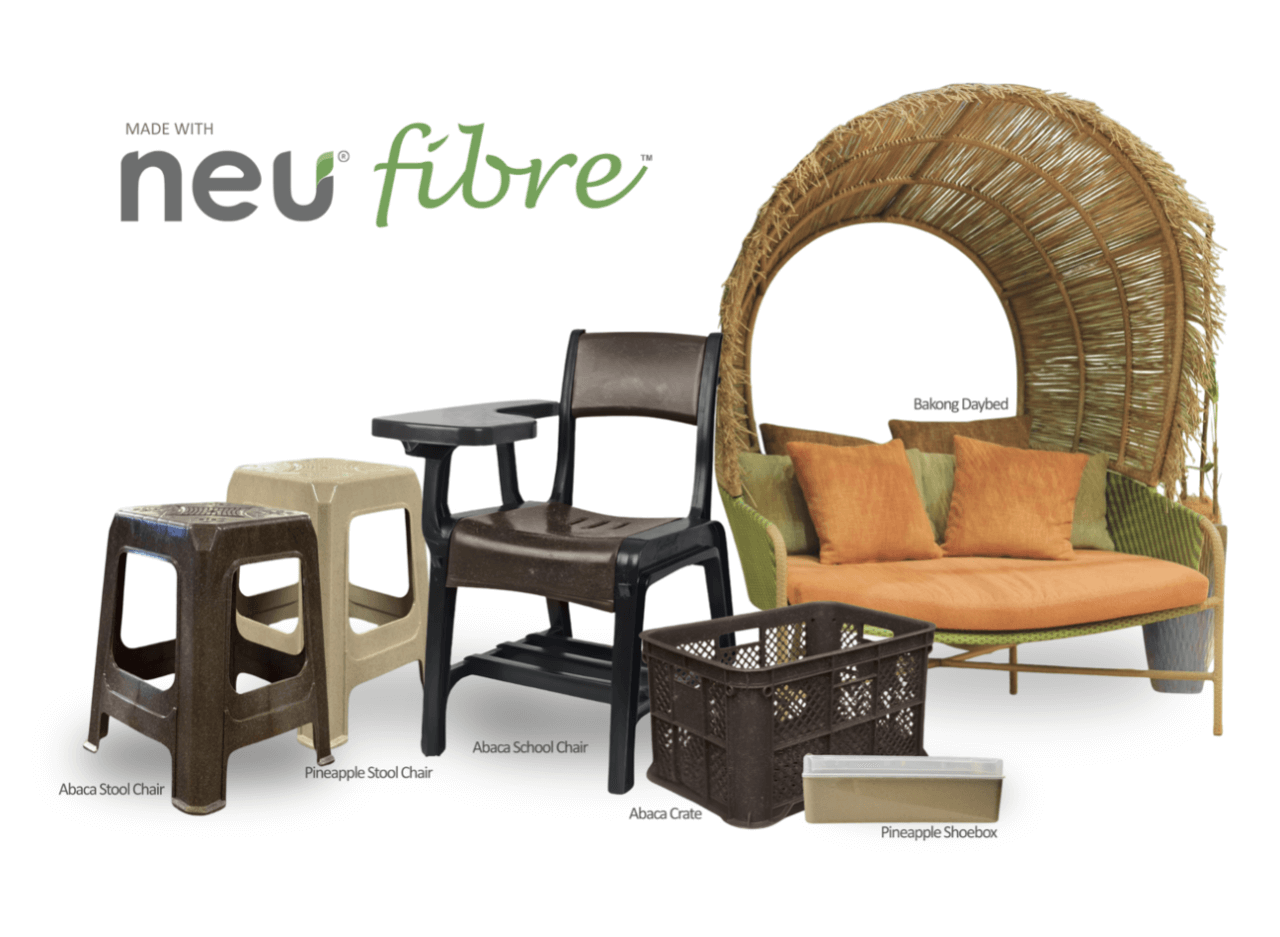
The product, developed by its unit D&L Polymer & Colours, Inc. (DLPC), allows manufacturers to blend abaca into plastics without changing existing production processes.
Unlocking abaca at scale
Abaca, largely produced in the Philippines, has long been viewed as a high-strength natural fiber with limited industrial use due to processing constraints.
“Pelletization is the tipping point that finally makes natural fibers easy to use at scale. With a ready-to-compound 100% abaca pellet, manufacturers can incorporate sustainability into their products without changing their processes, opening an entirely new market where abaca can be handled just like any conventional polymer ingredient,” said DLPC president and CEO Lester Lao.
Philippines fiber, global use
DLPC said the pellet format shifts abaca from a specialty input into a standardized material that can be adopted by plastic compounders across packaging, consumer goods, construction, and automotive sectors.
Jofree Ang Jao, DLPC head of marketing and business development, said they’re in ongoing talks with several new customers—both domestic and international groups.
Current formulations allow natural fibers to replace up to 40 percent of virgin plastic, reducing reliance on fossil-based polymers.

The company said the same process can be applied to other Philippine fibers such as pineapple, bakong, and vetiver, widening the country’s bio-materials pipeline.
Where the growth is
Products made using the pellets can enter existing recycling systems, depending on formulation.
DLPC said it is working with manufacturers to test applications and scale production.
For D&L Industries, supplying pelletized abaca positions the Philippines’ fiber base as a potential growth area in the global shift toward lower-plastic materials.
—Edited by Miguel R. Camus