Insider Spotlight
The facility is expected to begin operations by 2030 and will support the company’s push to produce closer to Philippine consumers while strengthening supply chain resilience.
Why it matters
Fly Ace has spent more than five decades building a strong presence in the Philippine consumer market through brands such as Jolly, Doña Elena, Jolly Heart Mate, and Good Life, while distributing international labels like Welch’s, Lotus, and Mott's.
Moving into manufacturing allows the company to capture more value locally, reduce reliance on imports, and potentially expand into export-oriented production.
The big picture
The Batangas facility signals Fly Ace’s evolution from a distributor of fast-moving consumer goods into an integrated manufacturer embedded in the Philippine industrial ecosystem.
The move also reflects broader trends among Philippine food companies investing in domestic production to strengthen supply chains and respond to growing regional demand.
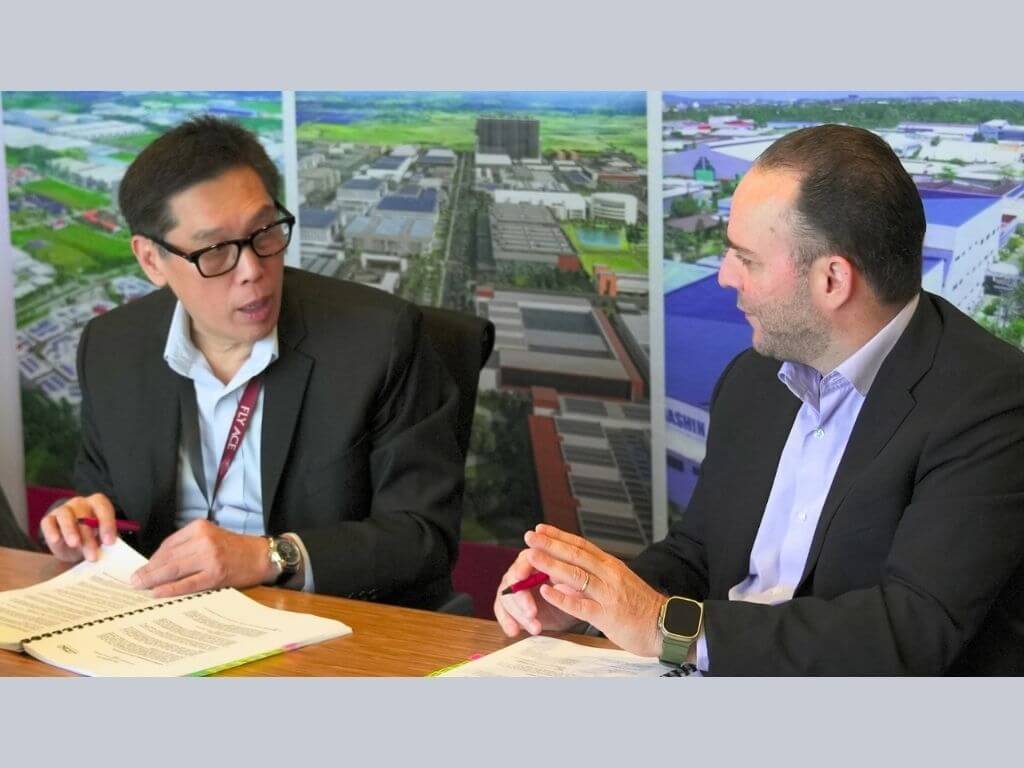
“When we visited LIMA, I could see why it’s the right place for this investment,” Lucio Cochanco Jr., president of Fly Ace Corp., said in a press statement. “As a well-planned industrial development, we look forward to partnering with Aboitiz for this landmark expansion project,” he added.
Strategic location
Fly Ace selected LIMA Estate partly for its connectivity and industrial ecosystem. The estate sits along major transport routes including SLEx, STAR, and CALAx, giving companies access to key logistics hubs such as the Manila International Container Terminal, the Port of Batangas, and the upcoming South Luzon Container Terminal.
That infrastructure allows manufacturers to streamline logistics, improve operational efficiency, and strengthen partnerships with global suppliers and customers.
Zoom out
LIMA Estate has emerged as one of the country’s largest industrial hubs, hosting nearly 200 locators and employing around 75,000 workers across multiple sectors.
The development is also home to a 70-hectare business district designed to integrate commercial, residential, and institutional spaces within the industrial zone.
“Over the last five years, our Economic Estates have attracted strong interest from both foreign and domestic investors across our portfolio, and we remain committed to providing a reliable environment through our ecosystem of solutions that help businesses grow and scale,” said Rafael Fernandez de Mesa, president and CEO of Aboitiz Economic Estates and Aboitiz Land.
What’s next
For Fly Ace, the manufacturing hub represents a long-term bet on Philippine industry—creating jobs, strengthening supplier networks, and embedding more of its value chain in the local economy as it prepares for future export growth. —Vanessa Hidalgo | Ed: Corrie S. Narisma