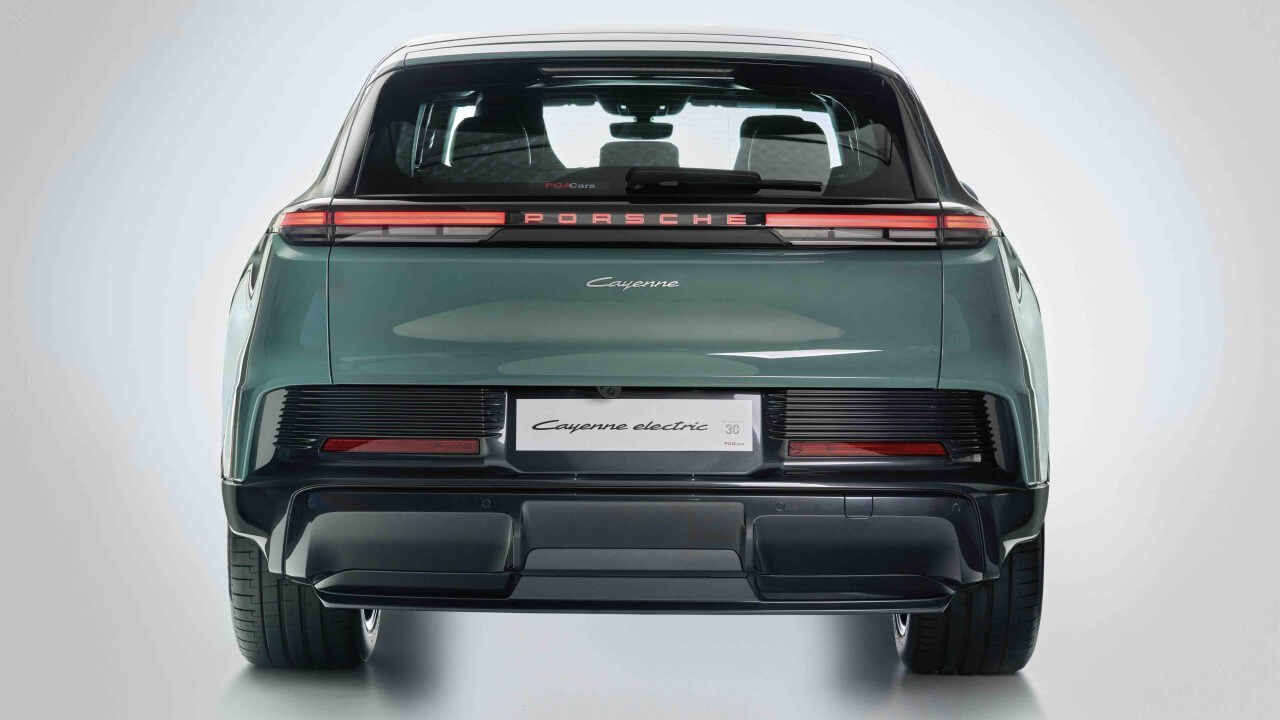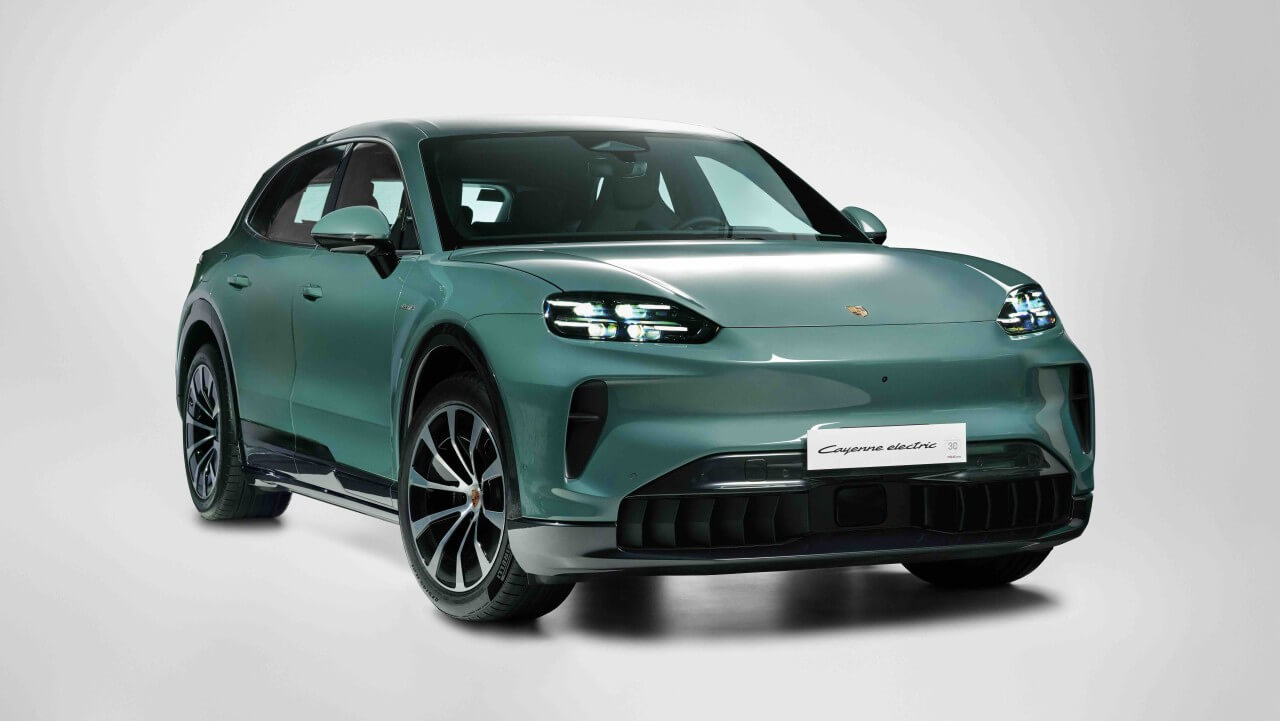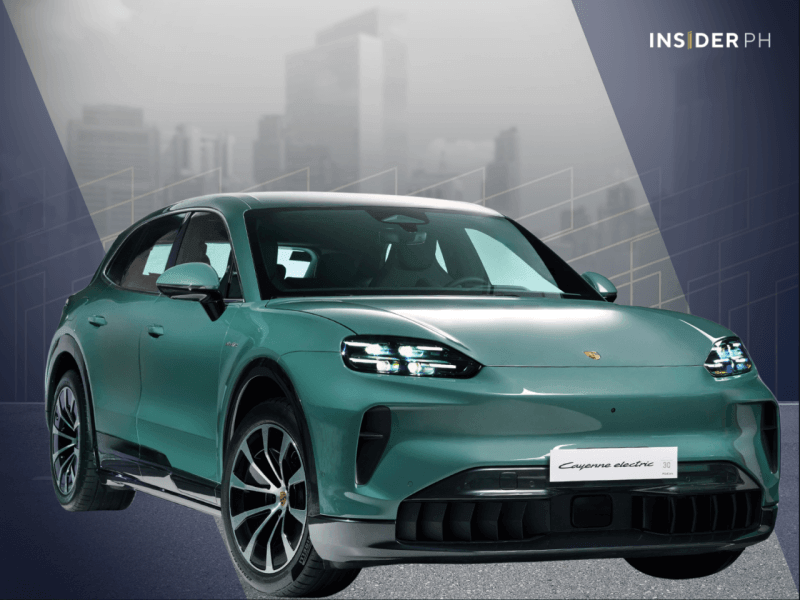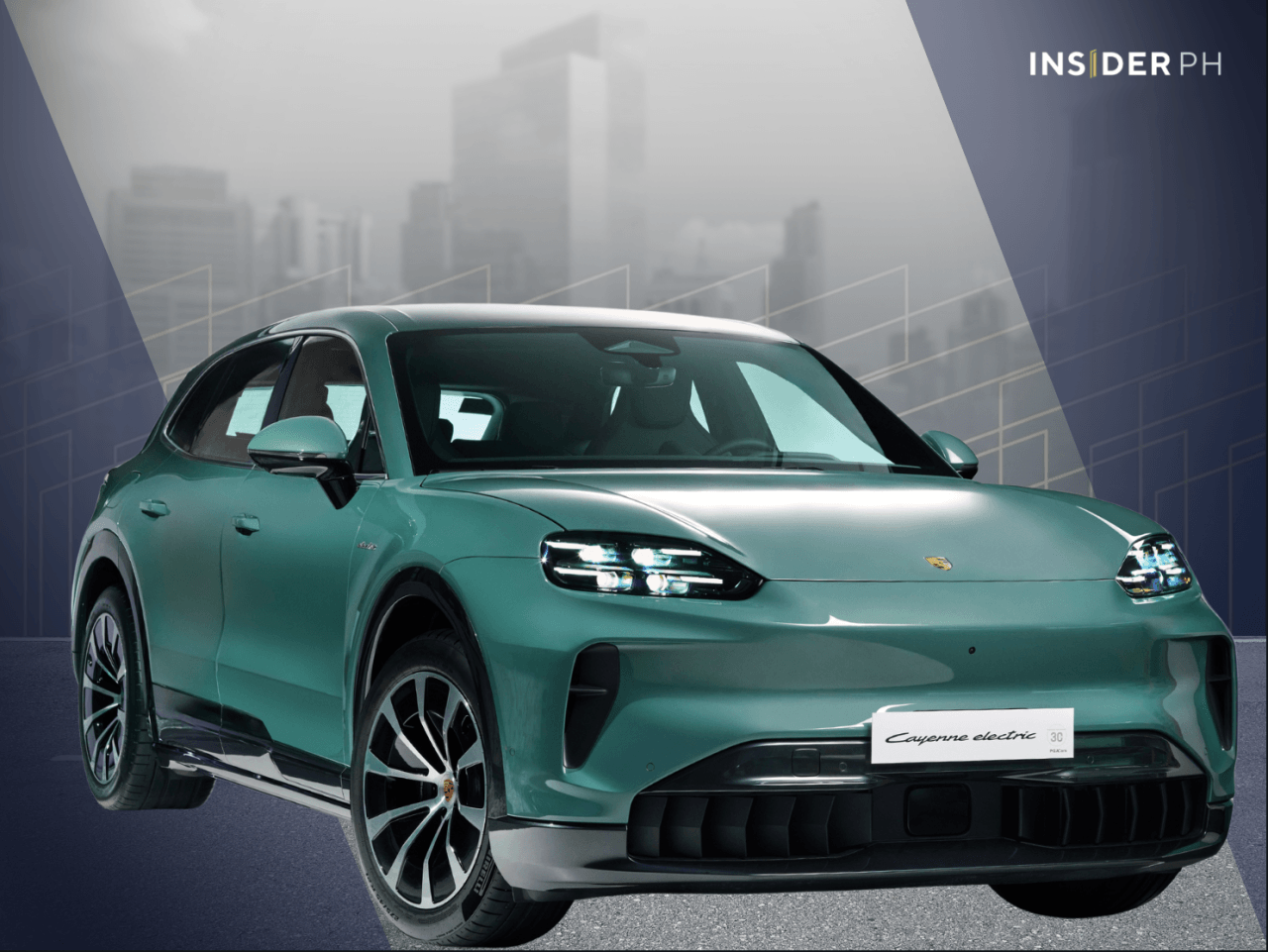
The launch marks another milestone in Porsche's shift toward electric vehicles, although the company is keeping its gasoline-powered and plug-in hybrid Cayenne models available for Filipino buyers who are not yet ready to go fully electric.
For Porsche, the bigger challenge is convincing customers that going electric does not mean giving up the performance, comfort and prestige that made the Cayenne a popular choice among luxury SUV buyers, particularly in a country where charging infrastructure remains limited.
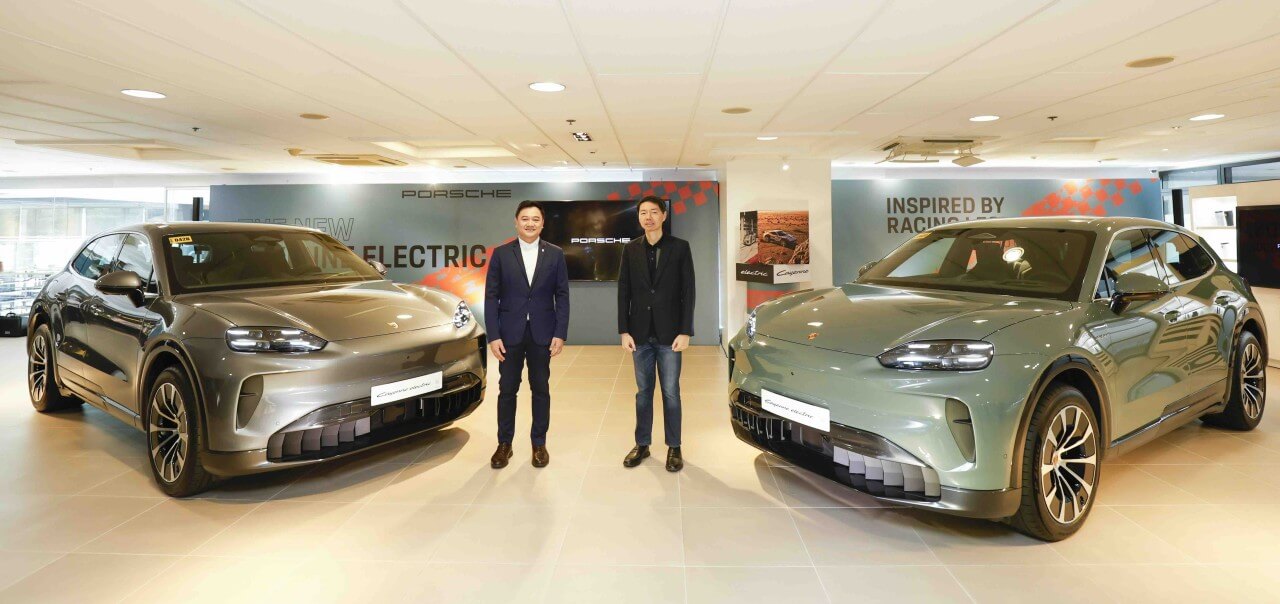
Less range anxiety, same Porsche power
The Cayenne Electric can travel up to 642 kilometers on a single charge under standardized test conditions, giving owners the potential to make longer provincial trips without constantly worrying about where to plug in.
It also delivers up to 442 horsepower and can accelerate from zero to 100 kilometers per hour in just 4.8 seconds, showing that switching to electric power does not mean sacrificing the performance expected of a Porsche.
Its 113-kilowatt-hour battery supports charging speeds of up to 400 kilowatts at compatible fast-charging stations, although actual charging times will depend on the equipment available.
More room for the family
The switch to an electric platform also gives Porsche more freedom to redesign the cabin, with a longer 3,023-millimeter wheelbase creating extra space for rear passengers and adjustable seats allowing owners to trade legroom for luggage capacity.
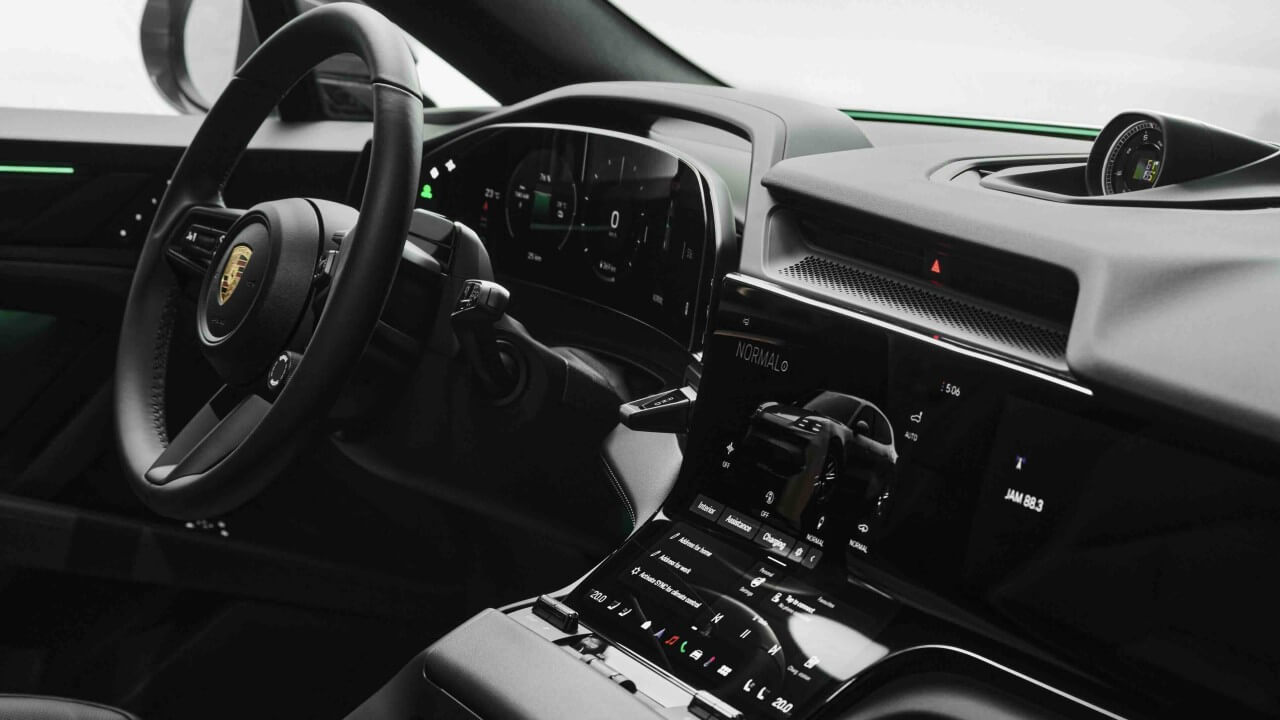
The interior gets a major digital makeover through Porsche's largest-ever curved OLED display, alongside an optional 14.9-inch passenger screen that allows occupants to access entertainment and navigation without distracting the driver.
Porsche has also equipped the Cayenne Electric with adaptive air suspension and optional rear-wheel steering to make the large SUV more comfortable on rough roads and easier to maneuver in tight spaces.
—Edited by Miguel R. Camus