Insider Spotlight
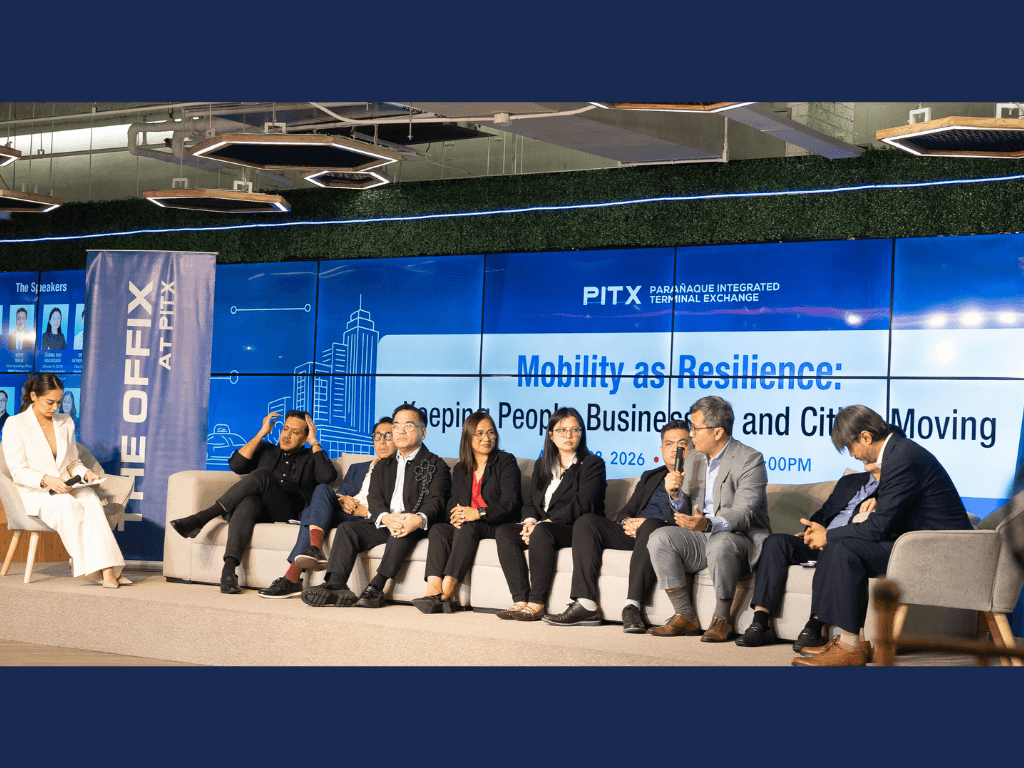
At the PITX Media Forum 2026, participants said transport disruptions can prevent employees from reaching work, delay deliveries, cut retailers off from customers and make essential services harder to access.
Better connections
Better connections could deliver benefits beyond shorter commutes. PITX observed its evening passenger peak shift from around 7 p.m. to 6 p.m. following its connection to the LRT-1 Cavite Extension, indicating some Cavite-bound commuters were arriving at the terminal earlier.
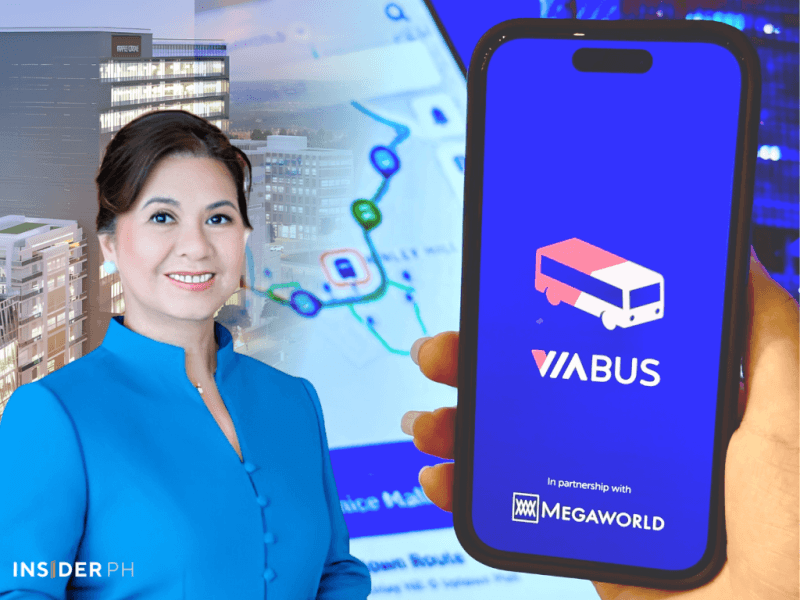
“That means that they have an extra hour for their family, for rest, for leisure. And imagine that compounding every single day,” MWM Terminals Inc. president and Megawide Group chief business development officer Atty. Jaime Raphael Feliciano said in a press statement.
Stronger links
The Department of Transportation wants stronger links among road, rail, maritime and aviation networks, with transfers becoming more seamless, safe, reliable and accessible.
Meanwhile, UP National Center for Transportation Studies said data and modeling could help identify vulnerable areas, anticipate disruptions and map alternative routes before crises occur.
Transport disruptions
Accessibility is also influencing where companies locate offices, as employers consider whether workers can reliably reach workplaces.
“Accessibility and getting to work is definitely a key factor in deciding where these companies go,” Leechiu Property Consultants associate director for commercial leasing Edward Gador said.
MWM Terminals Inc. chief operating officer Mohit Malhi said reducing the number of transfers is also important because every additional transfer can become another point of difficulty for commuters, especially when disruptions occur.
“Our vision is that you can reach from PITX to anywhere in Metro Manila, ideally in one or at most two transfers,” Malhi said.
Retailers face similar risks because transport disruptions can immediately reduce customer traffic, while workers under “no work, no pay” arrangements may lose income when they cannot reach their jobs.
Emerging strategy
Forum participants called for national agencies, local governments, operators, planners, infrastructure providers and businesses to coordinate more closely on disruptions ranging from floods and severe weather to fuel-price and supply-chain shocks.
The emerging strategy is to integrate transport, workplaces, retail and services more closely so cities can continue functioning when normal mobility is disrupted. —Vanessa Hidalgo| Ed: Corrie S. Narisma