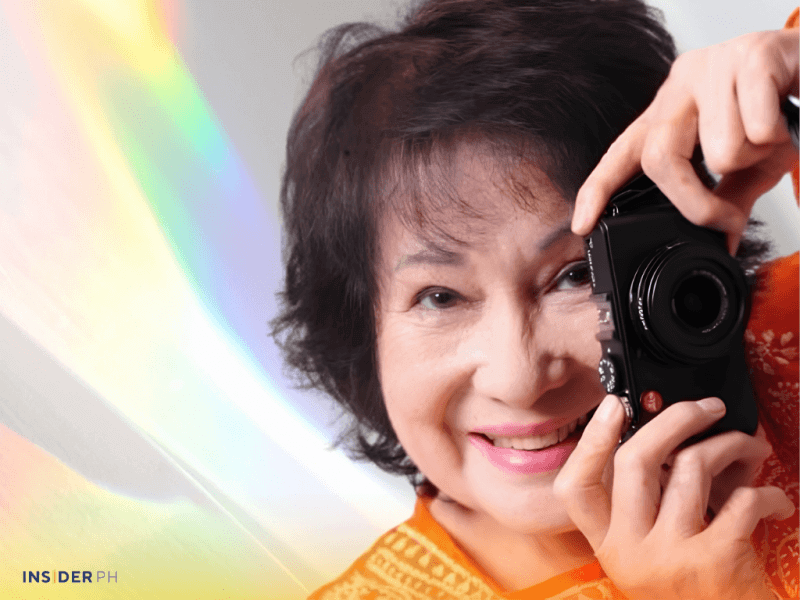
A magna cum laude graduate of UST with a degree in Philosophy and Letters, Eggie counted the late National Artist F. Sionil Jose among her classmates. Jose described her as “bright, a very good writer, very sweet, very hardworking.”
Convent-school-bred and a cerrado Catolico from Holy Ghost, Eggie, who was then wary of working for a secular newspaper, landed at the Sentinel, a Catholic publication.

From religious to secular
There, she worked alongside Sixto “Ting” K. Roxas — later CEO of the Bancom Group — serving as women’s section editor while writing a column titled “Persons, Inc.”
Although Roxas regarded the Sentinel as a middling Catholic paper, he described its staff as “young firebrands” in the book Seven in the Eye of History. Eggie was among them, her charming and amiable demeanor masking an inner radical streak.
Fearing job insecurity, Eggie eventually bit the bullet and joined secular media — the Manila Times, specifically The Sunday Times Magazine. She spent a decade there, again as women’s section editor, before moving to the Manila Chronicle in the early 1960s as editor of Women and Home.
Martial Law and Woman’s Home Companion
With the declaration of Martial Law came the closure of media outlets, including the Chronicle. Eggie, who had abruptly resigned earlier after being passed over for the editorship, found herself, like many of her colleagues, jobless.
An opportunity came when former Chronicle executives, among them Rod Reyes, approached her about starting a new women’s magazine, with each contributing to a pool of investment funds. The venture would become a hit: Woman’s Home Companion, launched in 1972 and later sold to the Roces-Guerreros when funds ran dry.
To get the publication off the ground, Eggie drew on the close ties that she and her engineer-contractor husband, Jose, had with then Defense Minister Juan Ponce Enrile and his wife, Cristina, whose office had the authority to approve prospective publishers.
She would turn to this friendship again when she later organized Mr. & Ms — a “women’s magazine that was also for men" — a venture that would eventually draw her into controversy and legal entanglements.
After leaving Woman’s Home Companion over disagreements with its new owners, Eggie found that her staff had followed her out: “without consulting me, without anything, all the rest of the staff quit!”
“So here I was with all the old staff, all jobless, sila Chato Garcellano,” Eggie recounted in a 2005 interview. “And so we decided, maybe we can start our own magazine. So we did! Crazy talaga.”
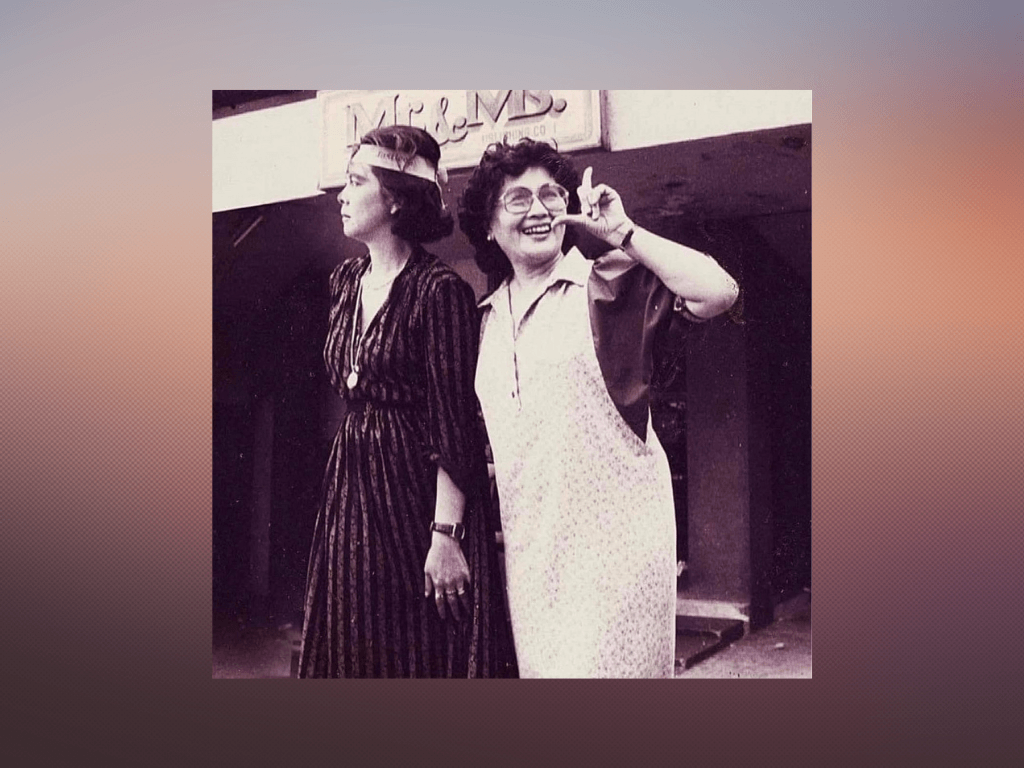
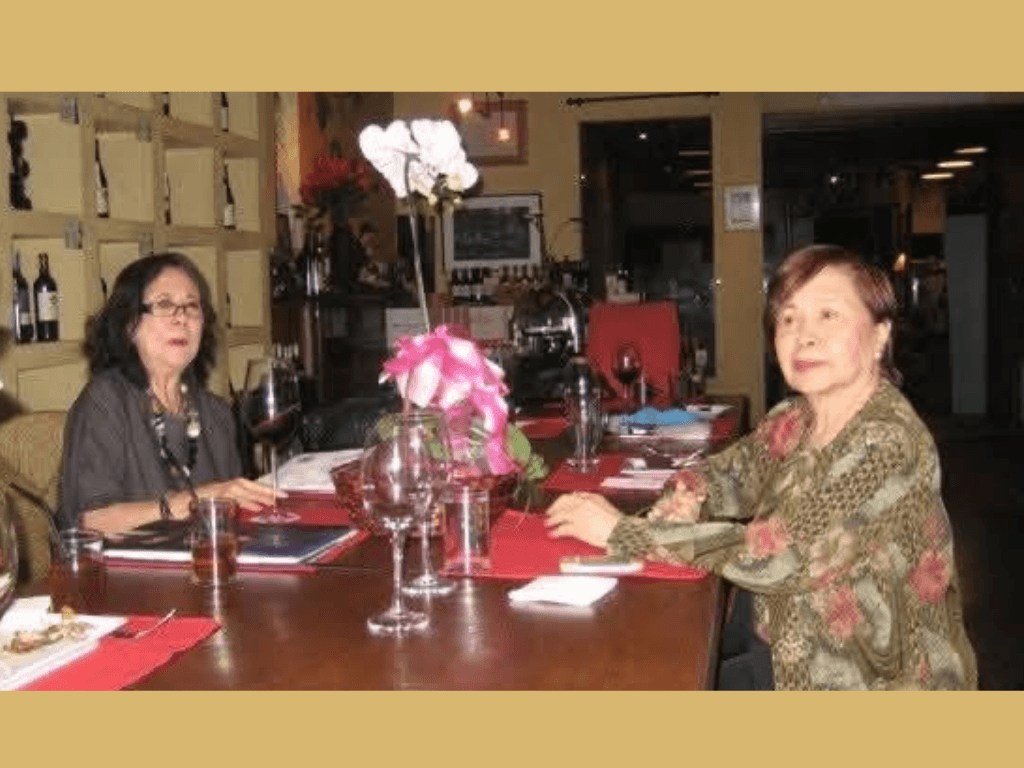
Founding Mr & Ms
With her husband also pitching in, Mrs. Ponce Enrile took a 20-percent stake — not in her personal capacity, as was initially assumed, but on behalf of JAKA Investments Corp.
With limited experience in business management, Eggie turned to lawyer Luis Villafuerte — then a Bancom executive and, much later, governor of Camarines Sur — who took the helm and helped turn the fledgling publication around.
After a slow start, Mr & Ms. proved viable, with Eggie claiming, “I was giving dividends in millions to the stockholders,” a result of profitable forays into cookbooks, children’s books, and even calendars.
Awash with funds that allowed Eggie to take bigger risks, Mr. & Ms slowly evolved to become more political in its content as the situation in the country grew increasingly tumultuous. By the time of Ninoy Aquino’s assassination, it had transformed, through the Mr. & Ms Special Edition, into a fearless chronicler of the times, with Letty Jimenez-Magsanoc as editor.
“So we came out the very next day with a funeral issue about Ninoy, sixteen pages,” Eggie recalled in an interview with Argeline Quiason on Dec. 7, 2005. “We got pictures from the Associated Press. We had our own pictures. And it [did] so well, 150,000 [copies] had to be [reprinted] because agents kept coming.”
As circulation eventually reached 750,000 copies, “I could sense therefore that the people were really angry with what happened. So I told myself, my goodness, we really have to document the anger of the people,” said Eggie.
While all this was happening, Juan Ponce Enrile had surprisingly kept his hands off. To avoid scrutiny, his shares had been “warehoused” under Eggie’s name — a “gentleman’s agreement.”
This would later come back to bite her after she founded the Philippine Daily Inquirer (PDI) on Dec. 9, 1985, with Jimenez-Magsanoc initially serving as editor of the Sunday Inquirer Magazine and becoming the newspaper's editor in chief.
Legal battles
By 1989, Eggie was embroiled in a legal tussle with Nora A. Bitong, then CEO of JAKA and a close associate of Enrile. As owner’s representative at Mr. & Ms, Bitong filed a complaint with the Securities and Exchange Commission (SEC), accusing Eggie of “allegedly diverting corporate funds of Mr. and Ms. Magazine to set up the Philippine Daily Inquirer.”
Bitong further alleged that “the results of operations of and performance of Mr. and Ms. under the management of Apostol leave much to be desired,” although Villafuerte soon came to Eggie’s defense in his deposition before the SEC.
The situation grew even more contentious when Betty Go-Belmonte, a PDI co-founder who had since left to form The Philippine Star, was called to testify. Even Enrile offered to appear before the SEC panel to clear the air over the gentleman’s agreement and determine who had the right of first refusal over the shares formerly held by JAKA.
Caught by surprise
As an amicable settlement between Apostol and Bitong was being brokered, Eggie was caught off guard by her surprise ouster as PDI chair in 1990, a move orchestrated by its president, Mariano B. Quimson Jr., who had also injected fresh funds into the broadsheet.
Eggie would eventually retire from the PDI in 1994. Banker Eduardo B. Espiritu, later President Joseph Estrada’s finance secretary, would buy her out. Meanwhile, the group of Marixi Rufino Prieto, whose Bataan Pulp and Paper was a newsprint supplier to PDI and other newspapers, would accumulate enough shares over time to gain control and become the new owners of the Philippine Daily Inquirer.
On Eggie’s passing, Mrs. Prieto said, “She built the Inquirer on a foundation of truth and independence and fiercely protected those values through the years.”
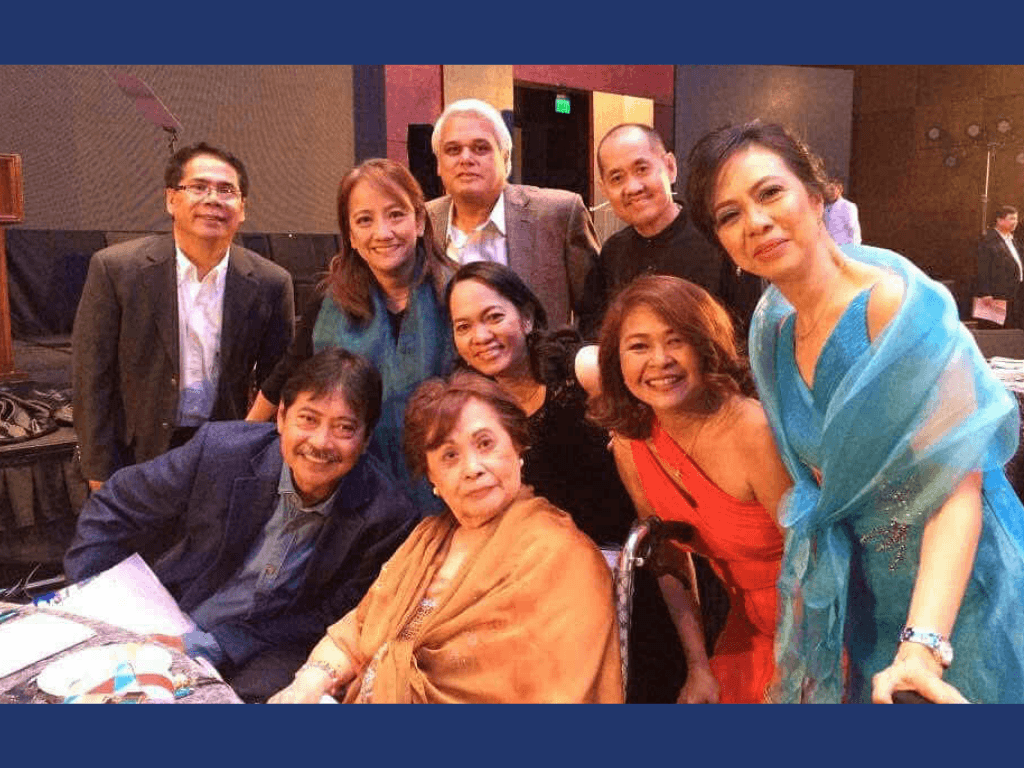
Pinoy Times
Driven by what she perceived as President Estrada’s attack on the press — reflected, in her view, in the sale of the Manila Times by the Gokongweis as well as the troubles confronting by PDI — Eggie made a brief return to publishing with the founding of Pinoy Times, a bilingual, anti-Erap tabloid that began publishing on Sept. 15, 1998.
Despite efforts to keep it afloat — including securing advertisers such as Globe and SM and turning to a group associated with Couples for Christ — Pinoy Times was forced to close three years later, in 2001, reportedly after accumulating P41 million in losses.
“Few people are possessed of boundless optimism, or the capacity to hope,” wrote Conrado de Quiros of Eggie in 2000. “Or few people are as cheerful — she has a completely disarming way of saying no, a useful virtue when dealing with public officials … Maybe it’s natural disposition, but she has it in bigger doses than most anyone.”
Her contributions to Philippine journalism would earn her the 2006 Ramon Magsaysay Award for Journalism.
Eugenia Duran Apostol was born on Sept. 29, 1925, in Sorsogon, the second child of Fernando Ballesteros Duran, a physician who would later enter politics in the National Assembly, prompting the family’s relocation to Manila. Her mother was Vicenta Obsum, also of Sorsogon. The couple had eight children.
Eggie married Jose “Peping” Z. Apostol, an engineer who would become a favored builder of the Ponce-Enriles, on Feb. 18, 1950. The couple had one son, Carlos.
She died on Sept. 13, 2026, at the age of 100. She would have turned 101 on Sept. 29. —Ed: Corrie S. Narisma
Features Reporter