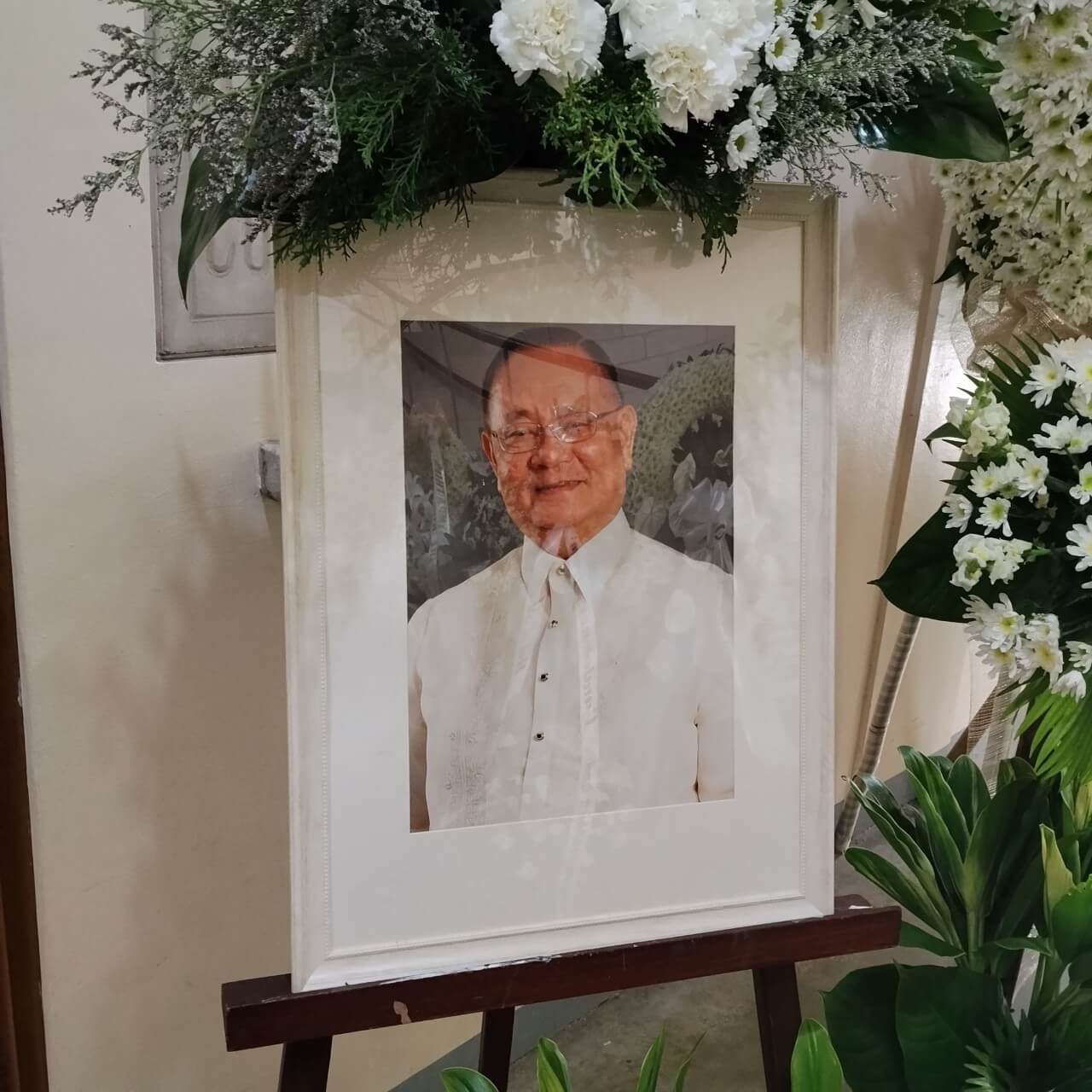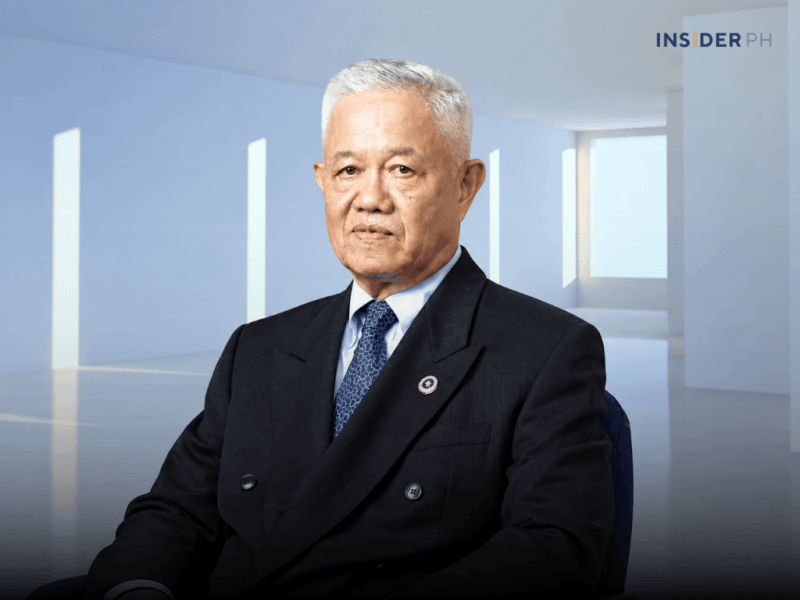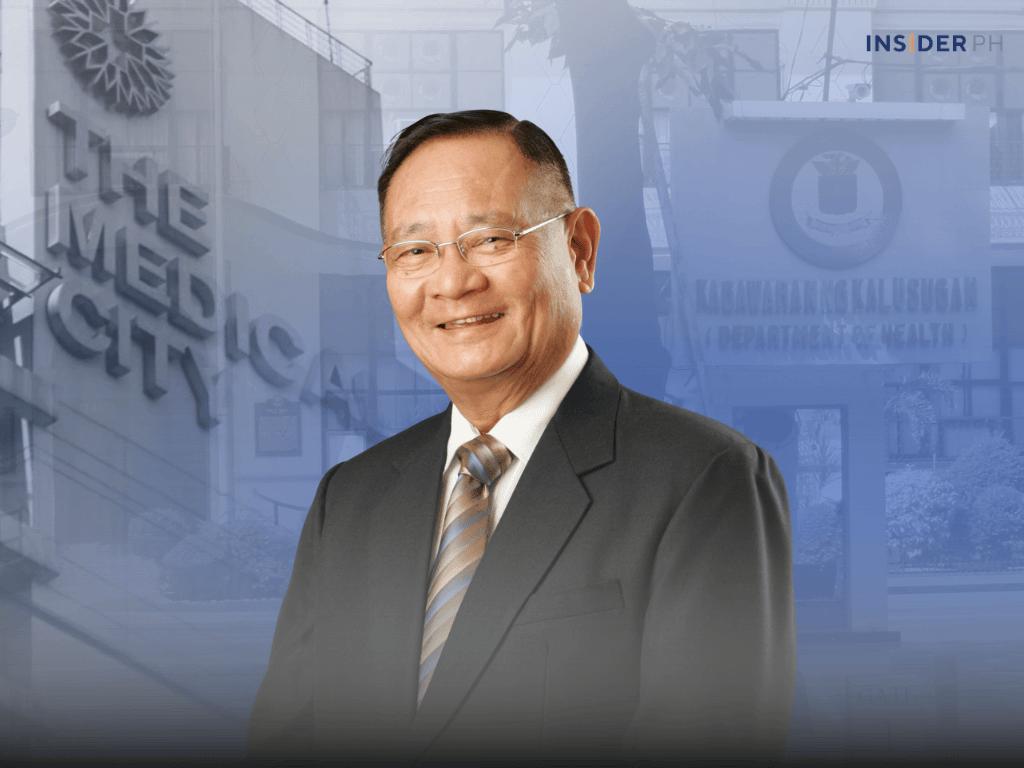
While these words pertain to the practice of medicine, for Dr. Alfredo RA “Alran” Bengzon—who died on March 3, 2026, at 91—they seemed to have become personal principles guiding a long and fruitful life in medicine, public service, academe, and management.
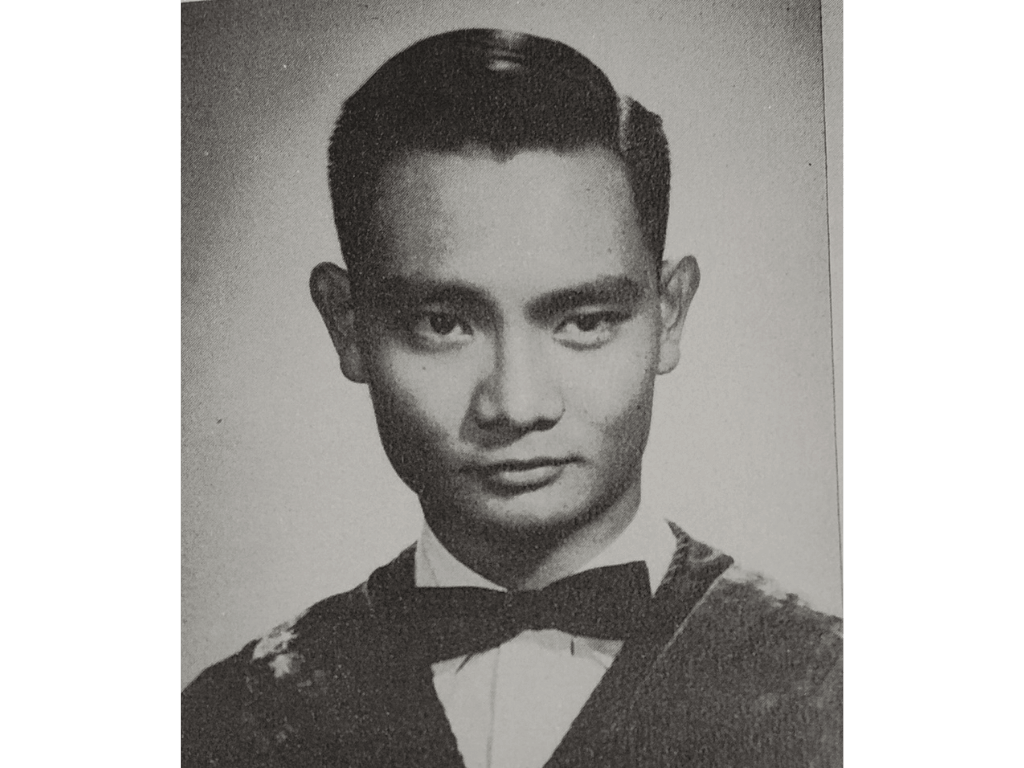
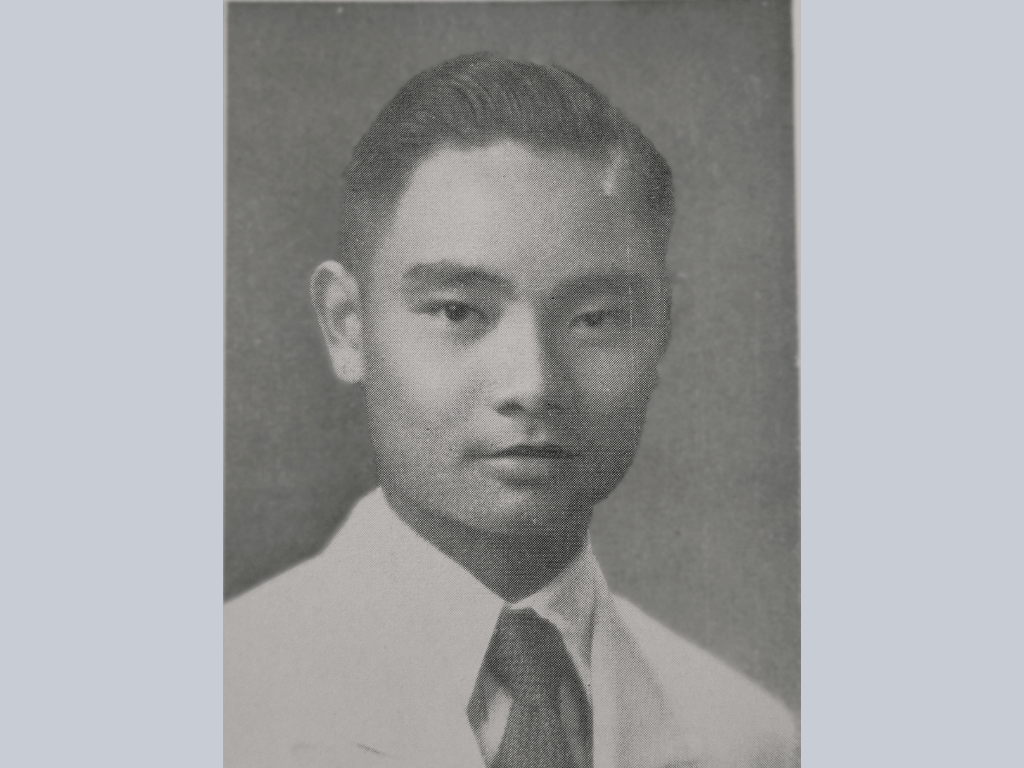
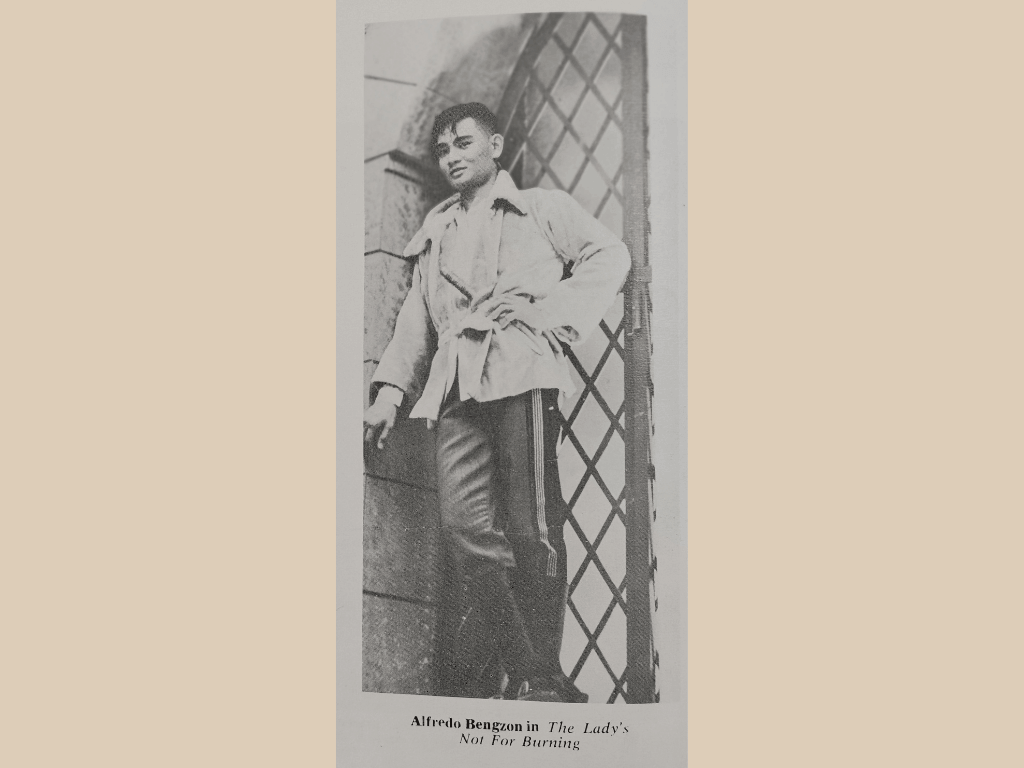
Even as a student at the Ateneo de Manila University, the leadership qualities that would later define his life and career were already apparent.
“When Alran, as he is called by his friends, leaves the Ateneo in March, he shall have held more offices of leadership than anyone can remember,” wrote Rodolfo Severino—Alran’s college best friend and future ASEAN secretary-general—in the Sept. 12, 1955 issue of The Guidon.
Noting that he was “a leader in three aspects of the Atenean: the social, the spiritual and the intellectual,” Severino went on to say that “Alran takes life seriously, but not grimly,” and that despite his “flaws and weaknesses,” his “set of values is constantly before him like a guiding star.”
Life at a crossroads
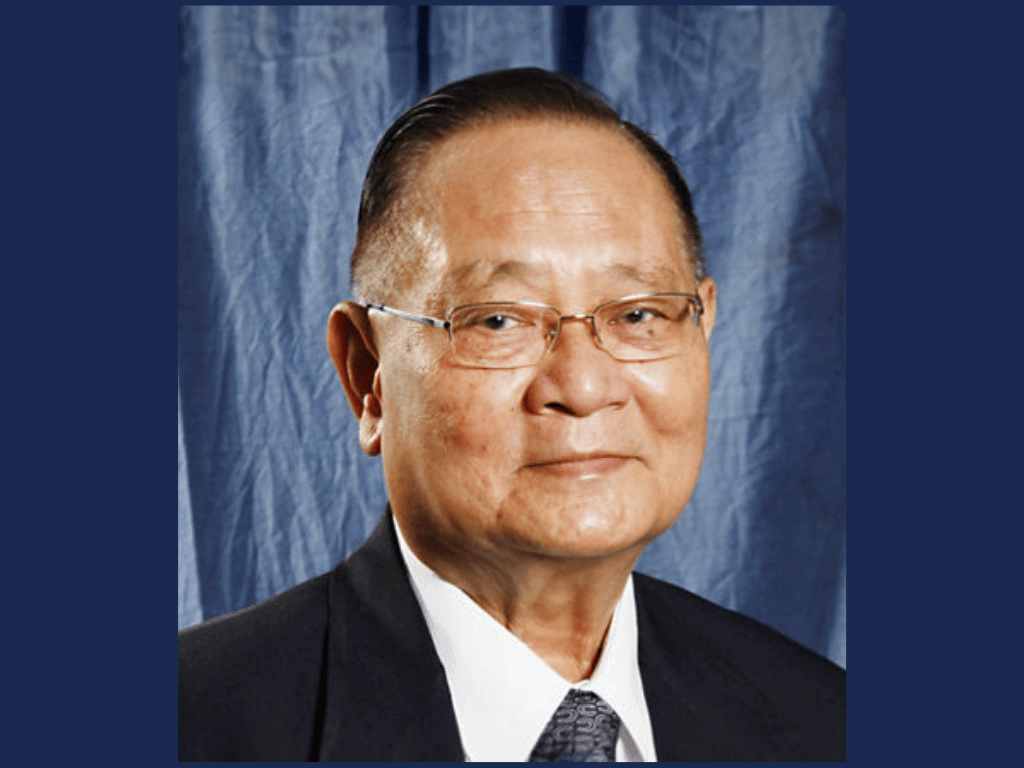
The imposition of Martial Law by President Ferdinand Marcos Sr. became a turning point, forcing many to make difficult decisions. Alran, too, would find himself at a crossroads.
Recalling that dark and uncertain period in the 2006 book Heroes, his son Jaime wrote that “Dr. Alran Bengzon was already a practicing doctor—a neurologist—while also occupying an administrative post at [the future] Medical City and teaching neurology at the UP College of Medicine.”
“He observed in himself an ever-increasing uneasiness that things were not what they ought to be—that the right to speak and think freely must not, under any circumstances, be curtailed,” the younger Bengzon continued.
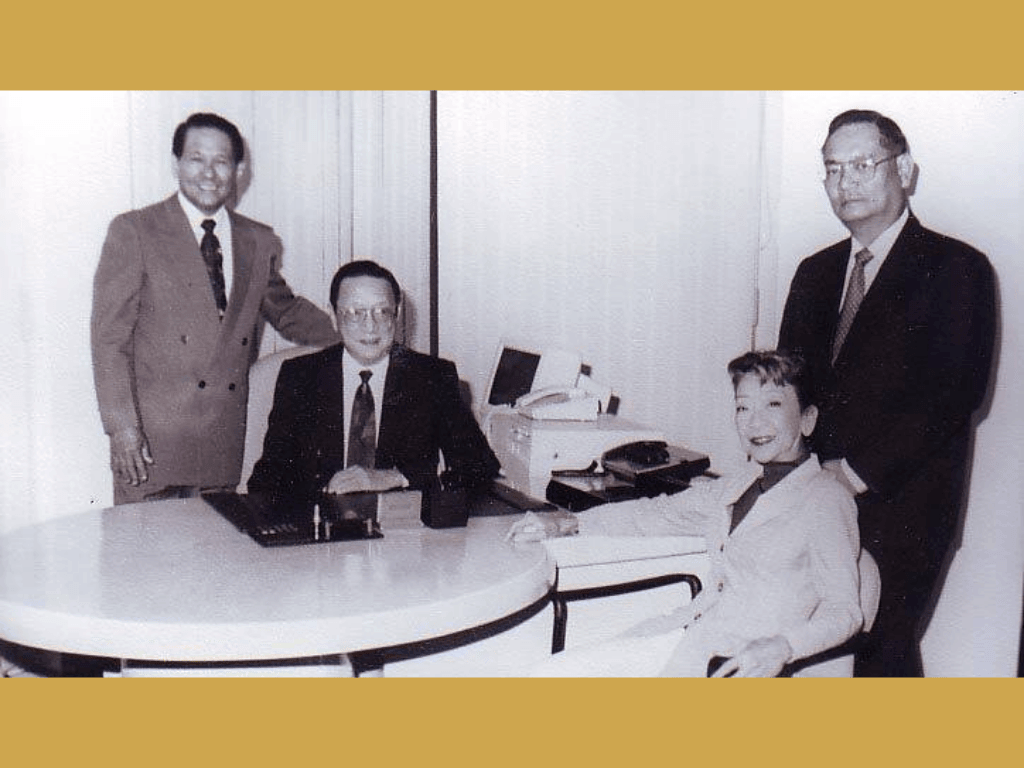
Unsure what course to take, Alran instead focused on his flourishing medical and teaching career, and was also briefly connected with the Bancom Group, organizing and heading Bancom Healthcare Corp.
Yet those thoughts—perhaps unconsciously—began to surface in his lectures to medical students. He likened the effects of the growing oppression of the Martial Law years to the inability of the entire body to function as one coherent system.
This was because, Alran explained, “all other organ systems that are supposed to send signals to the brain are not allowed to speak up.”
Having been cautioned that doctors had no place in political affairs, it would take another decade—and the dramatic events of 1983—before Alran would finally choose to take a firm and principled stand anchored on equity and justice.
Hitting the streets
It was in the wake of the Aquino assassination that Alran became fully engaged, joining the growing throng at protests and rallies.
“My family and I were living in the US when Ninoy Aquino was assassinated,” recalls Howie Severino, Rodolfo’s son, on Facebook. “When I decided to go home, binilin ako ng dad ko kay Tito Alran.”
“I don’t think my dad, a Philippine diplomat, expected his esteemed classmate to turn me into an activist, but that’s exactly what happened,” he continued.
Subsequently, Alran became part of what was dubbed an informal “convenor group” of like-minded professionals that included Ramon del Rosario Jr., then of San Miguel Corp. and now the chair of PHINMA; Noel Soriano, then University of the Philippines president; and Fr. Joaquin Bernas SJ, constitutional law expert.
This would further lead to his active involvement in Manindigan, “a conservative anti-Marcos group of businessmen.”
“Soon after I returned, Tito Alran invited me to join Manindigan,” said Howie. “I attended many mass actions and meetings, including long discussions in Tito Alran’s house.”
Answering the call
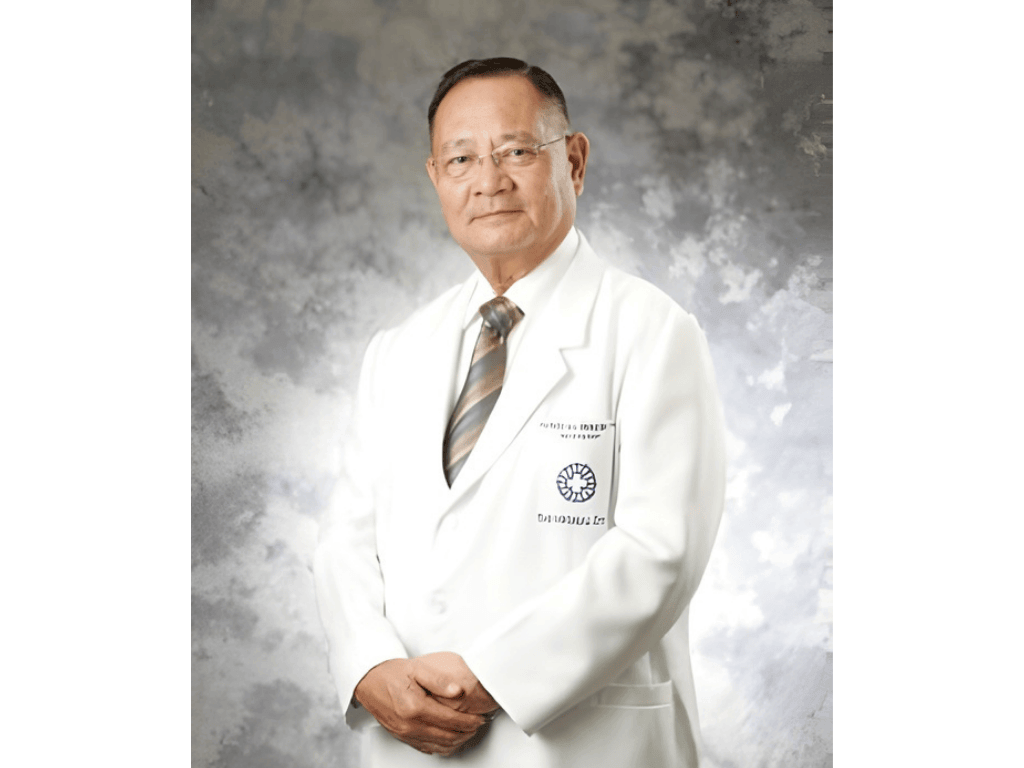
With Corazon Aquino swept to power after the fall of the Marcos regime, Alran was invited to join her Cabinet as secretary of the Department of Health (DOH). Given just over a day to decide, he sought the counsel of his octogenarian father, who had served in all three branches of government and retired as an associate justice of the Supreme Court.
“He looked at me and said just two words: service and patience. And they served me well all throughout.”
Alran had one request from the President when he accepted the appointment—that he be allowed to bring in his own team, which consisted of two 34-year-olds who, despite having no government experience, had his complete trust.
And so began a major reorganization of the health department.
“Dr. Alfredo Bengzon,” wrote June Pagaduan-Lopez in the December 1991 issue of the Journal of Medical Ethics, “found that in the two years before the fall of the Marcos regime, between 30 and 40 percent of the national health budget for supplies and materials had been diverted into ‘kickbacks, corruption, and graft.’”
Under Executive Order 119, the Department of Health underwent a streamlining of operations and a decentralization of programs and services.
The human resources and finance chiefs—carryovers from the previous regime, the former an intelligence agent and the latter, in Alran’s own words, “leading a sleazy life”—were dismissed after an extensive investigation.
A decentralized budget system was also instituted, allowing the department to maximize the 1987 health budget—P4.2 billion—in a way that prioritized those most in need.
Amid government-wide belt-tightening, Alran appealed to a personal friend, Finance Secretary Jimmy Ongpin—who warned that “the treasury is bankrupt”—to spare the health budget.
Other early initiatives included the establishment of a Community Health Service, the distribution of medical equipment to 26 provincial and regional hospitals, and the transfer of medical care hospitals to the DOH.
Bengzon also maintained a cordial relationship with members of the press assigned to the department.
“I was covering a rally for the Manila Chronicle—bago pa ako noon—and mahaba ang buhok ko,” recalls Dana Batnag, who was then part of the DOH press corps. “He [Alran] gently pulled my ponytail, as if to say ‘aren’t you going to interview me?’”
Bengzon’s biggest impact as health secretary was his championing Republic Act No. 6675, otherwise known as the Generics Act of 1988, where he faced intense opposition from fellow doctors and pharmaceutical companies.
Wrote Carmelita Yadao-Guno in 1991: “The Secretary of Health himself was deeply involved in seeing to it that progressive and reformist provisions of the Generics Act were preserved even to the extent of rallying support from the Chief Executive and the Executive Secretary, aside from direct consultations with the legislators involved.”
“The DOH press corps were with him when he pushed for the Generics Act—we took his side,” said Batnag.
Bengzon also oversaw the family planning program of the Aquino administration, which entailed substantive dialogue with the Catholic Bishop’s Conference of the Philippines or CBCP that began in August of 1990. Thinking the results were positive, the CBCP, in a surprise turn of events, issued two months later a pastoral letter Love in Life that was “very harsh, severe.”
Feeling he was “stabbed in the back,” Alran said “it was a big blow, one I never expected; and not after the dialogue.”
Peace and sovereignty
Beyond his role as health secretary—a post he held until 1992—Alran’s voice was also heard clearly within the Cabinet, where he was regarded as one of its pragmatists.
When then Cabinet Secretary Ping de Jesus proposed CORD, or Cabinet Officers for Regional Development—a concept in which a Cabinet member would be assigned responsibility for a particular region as the President’s representative—Alran expressed his opposition.
The additional task, he argued, “would eat up significant executive time and, therefore, diminish their effectiveness as heads of their respective departments.”
Noting how “the President and I developed a relationship of trust,” Alran would later be entrusted with responsibilities beyond the health portfolio. In 1987, he was appointed chair of a Peace Commission involved in negotiations with various rebel and insurgent groups.
Two years later, in 1989, he served as vice chair of a five-member panel led by Foreign Affairs Secretary Raul Manglapus tasked with negotiating the fate of the US military bases in the Philippines.
In response to special envoy Richard Armitage, who said “we shall overwhelm you with numbers” and accused Bengzon of “acting maliciously and deceitfully,” Alran called him “an arrogant and narrow-minded bully.”
Adding to the tension, Roland G. Simbulan, writing in Philippine Studies: Historical and Ethnographic Viewpoints, relates President Aquino’s apparent intervention ahead of the Senate vote, in which she allegedly lobbied the upper chamber to approve the bases treaty.
Per Simbulan, it was “an act that her own cabinet member…Health Secretary Alfredo Bengzon, considered so shameful that at that moment he wanted to dissociate himself from the Aquino administration, despite his closeness with his principal, President Aquino.”
Yet the disagreement did not appear to break their relationship.
In the 2009 book Cory Magic: Her Peoples’ Stories, Alran wrote that “we could even disagree strongly but respectfully from time to time,” adding that when they differed over the subject of the US bases, Aquino told him: “This issue is not so important that it can divide us.”
Building a new ‘City’
With his failed 1992 senatorial bid long behind him—he placed 25th—Alran returned to healthcare leadership.
As president and CEO of The Medical City, an institution he had been involved with since its days as the ABM Sison Hospital (named after his uncle), where he once served as assistant medical director, he spearheaded the construction of a new state-of-the-art facility in 2000.
The 770-bed complex, located within the Meralco compound in Ortigas, was built at a cost of P2.1 billion and marked a major expansion for the hospital, with investment support from the Lopez family.
Rising beside it was the Ateneo School of Medicine and Public Health, where Bengzon served as founding dean from its inauguration in 2007 until his departure in 2012 (prior to this he was dean of the Ateneo Graduate School of Business from 1993 to 2007, having earned his MBA there in 1972).
The institution pioneered an innovative MD-MBA program designed to produce physician-leaders—much like Bengzon himself.
Bengzon’s association with The Medical City would later be marred by a highly publicized leadership and control dispute involving members of the hospital’s management, particularly his nephew, the Harvard-educated investment banker Jose Xavier “Eckie” B. Gonzales, who tried to unseat him.
The disagreement, which centered on the institution’s governance and direction, at one point involved Alran’s daughter-in-law Margaret A. Bengzon.
With the entry of CVC Capital Partners taking a 60-percent stake, and with Bengzon’s elevation as chair emeritus, the long-drawn feud was finally resolved in 2023.
“Dr. Alran Bengzon was always a step ahead,” shared Gonzales in a statement. “He was at once stubbornly forward-thinking, unafraid, and resolute. Most of all, he was a willing and unselfish mentor to all who sought his guidance and embraced his leadership.
Roots and formation
Alfredo Rafael Antonio Bengzon was born in Tarlac on Oct. 20, 1935. The fourth of five children, his father was Jose Bengzon from Pangasinan while his mother was Antonia Jimenez, daughter of the town mayor.
The family’s eventual move to Manila in the Paco district and later San Juan—as well as Alran’s entry into Ateneo—was spurred by the patriarch having successfully earned a seat in the National Assembly.
Almost deciding on becoming a Jesuit priest—meeting the entrance requirements in 1953 and receiving an invitation to begin formal religious instruction at the Sacred Heart Novitiate in Novaliches—Alran dropped such plans, graduating instead in 1956 magna cum laude with a premedical degree in the liberal arts. He then entered the University of the Philippines College of Medicine.
On May 20, 1961, Alran wed Luisa Lourdes Angara, or Nini. Their union was blessed with five sons.
In 1991 Bengzon received the Ramon Magsaysay Award for Government Service.
“Over the years, I’ve come to have a clearer and deeper appreciation about the giftedness of the Filipino and the goodness that lies in the Filipino,” said Bengzon in 2010—words that inspire in these uncertain times.
Features Reporter