Insider Spotlight
Why it matters
As electrified vehicle adoption accelerates, the lack of proper disposal and recycling systems risks undermining environmental gains. Toyota’s move signals a shift toward building the full lifecycle ecosystem, not just selling vehicles.
What happened
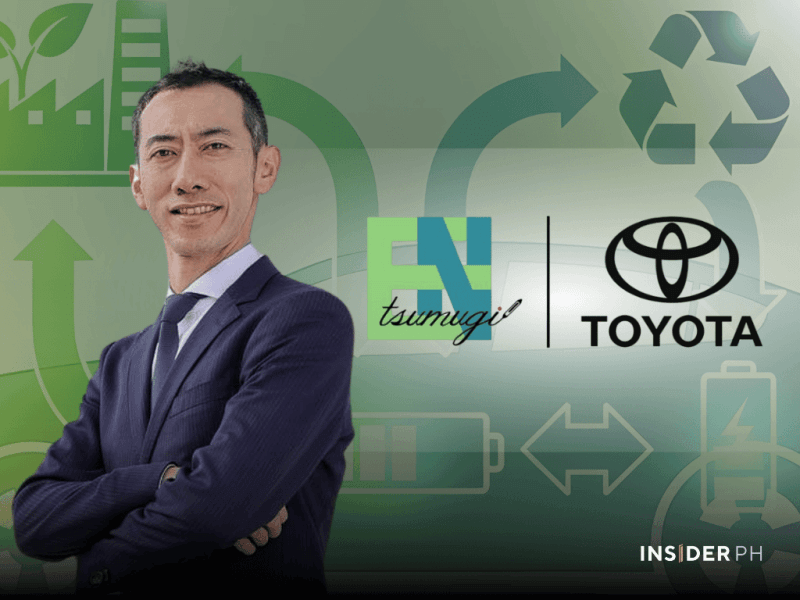
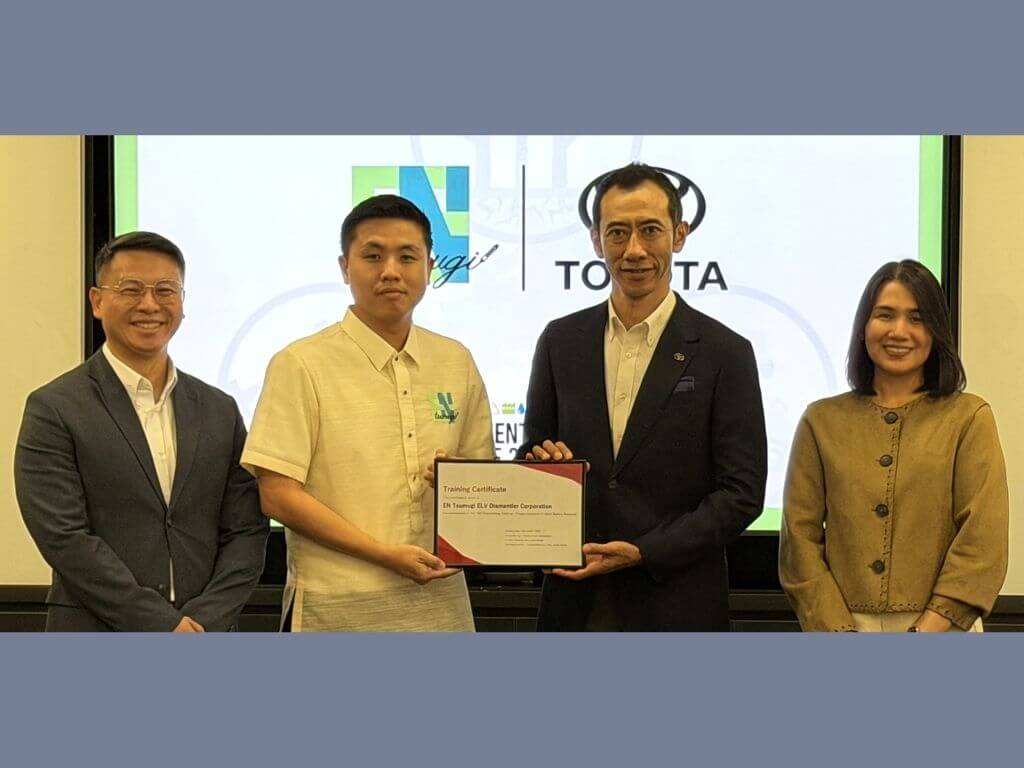
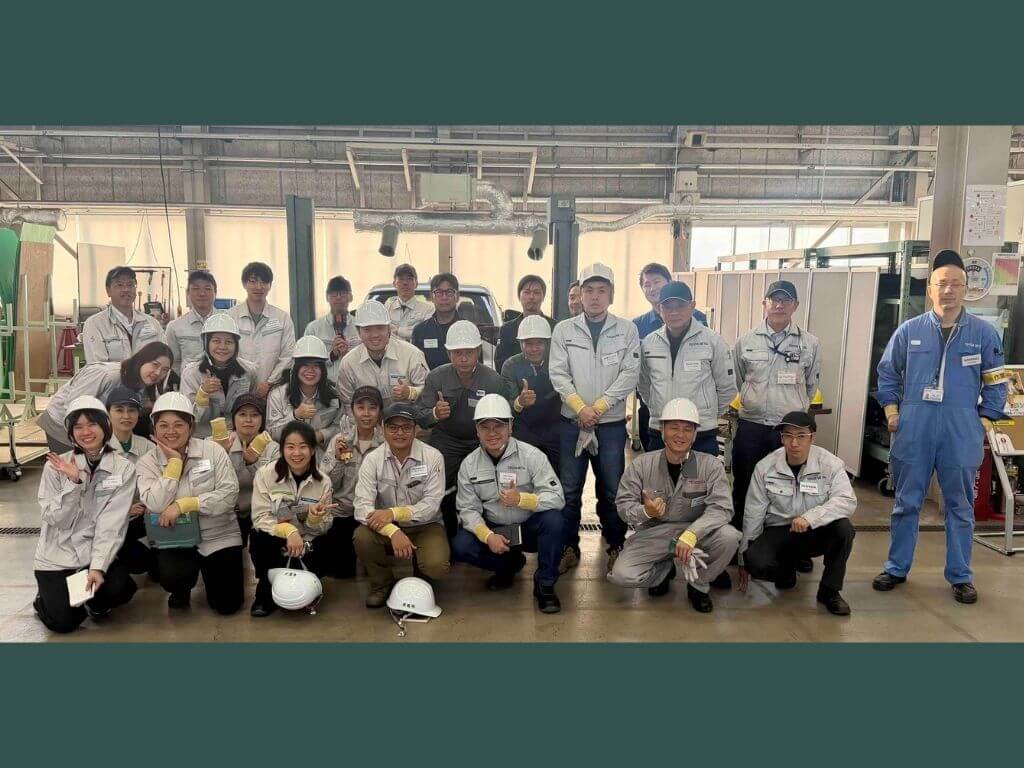
En Tsumugi ELV Dismantler Corp., a Toyota-endorsed facility in Mexico, Pampanga, completed specialized training in Japan focused on xEV battery dismantling, safety protocols, and recycling systems. The program is part of Toyota’s global initiative to standardize end-of-life vehicle processing.
Zoom in
The training covered battery handling, storage, emergency response, and material recovery processes—critical capabilities as lithium-ion batteries become more widespread. It also exposed participants to risks and future opportunities in battery recycling.
Big picture
Toyota’s effort ties into its “Global 100 Dismantlers Project,” which aims to build a worldwide network of certified facilities to ensure responsible recycling and reduce environmental impact across a vehicle’s lifecycle.
By the numbers
Electrified vehicles are gaining traction in the Philippines, with an 11.2 percent market share and 36.2 percent year-on-year growth. Industry sales hit 11,800 units in the first quarter, while Toyota and Lexus accounted for 5,252 units.
What they’re saying
“This proactive step reflects our ‘Beyond Zero’ commitment to ensure that as we advance electrified mobility … we are equally prepared across the entire vehicle lifecycle,” Masando Hashimoto, president of TMP, said in a press statement on April 27, 2026.
The bottom line
Toyota is positioning itself not just as a vehicle supplier but as a lifecycle mobility player in the Philippines. By investing early in recycling infrastructure, it is addressing a critical gap that could define how sustainable the country’s EV transition ultimately becomes. —Vanessa Hidalgo | Ed: Corrie S. Narisma