Insider Spotlight
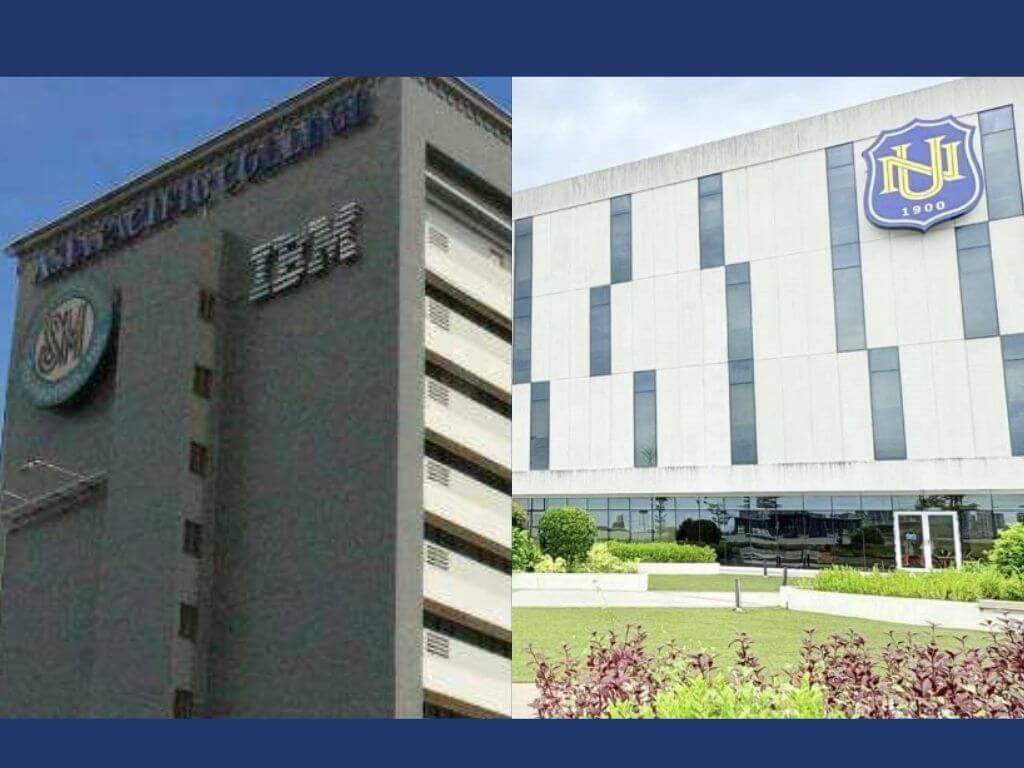
The expansion runs through its academic institutions, National University (NU) and Asia Pacific College (APC), targeting senior high school through graduate studies for communities that traditionally face barriers to higher education access.
Why it matters
The move strengthens SM’s ecosystem strategy—linking education, employment readiness, and social impact—while addressing talent gaps in key sectors tied to national service.
By the numbers
National University has renewed partnerships with the Armed Forces of the Philippines and Bureau of Fire Protection, opening up to 2,250 scholarship slots across 15 campuses nationwide.
Scholars receive a 20 percent discount on tuition and fees, with full scholarships extended to dependents of killed-in-action personnel.
Asia Pacific College, meanwhile, has supported 1,283 scholars from the military and police since 2006, focusing on IT, engineering, and business programs aligned with industry demand.
What they’re saying
“We honor the courage and sacrifice of our soldiers who gave their lives in service to the nation. As part of the Armed Forces of the Philippines Educational Benefit System Office community of schools, we are proud to help carry their legacy forward by supporting their families, especially their children, in pursuing quality education through scholarship opportunities,” Rolando T. Averilla, senior vice president for Corporate and International Relations for NU, said in a press statement on April 27, 2026.
“Providing access to relevant, industry-aligned education is not just an aspiration for us. It is something we actively deliver,” said APC President Dr. Ma. Teresita Medado.
The bigger picture
SM is aligning its education initiatives with employability outcomes by bundling scholarships with internships, training, and development pathways. This reflects a broader push among conglomerates to integrate social programs with talent pipelines.
Bottom line
By investing in education for uniformed personnel families, SM reinforces both its corporate social responsibility agenda and its long-term bet on human capital as a driver of economic participation. —Vanessa Hidalgo | Ed: Corrie S. Narisma