Insider Spotlight
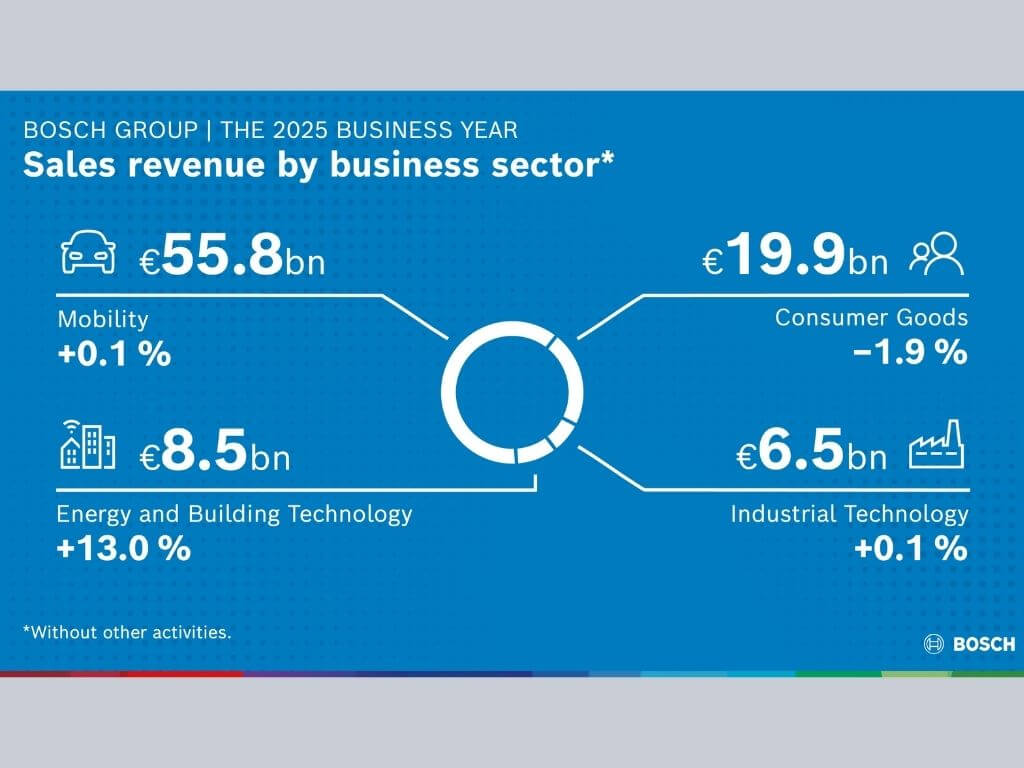
The German technology giant posted 91.0 billion euros in 2025 revenue, up slightly year-on-year, but profitability weakened with an EBIT margin from operations of 2.0 percent due to structural adjustments.
Why it matters
Bosch’s outlook signals cautious optimism for global industry players balancing cost pressures with long-term investments.
The company expects 2026 sales growth of 2 to 5 percent and margins to recover to 4 to 6 percent, backed by continued spending on automation, electrification, and artificial intelligence.
What they’re saying
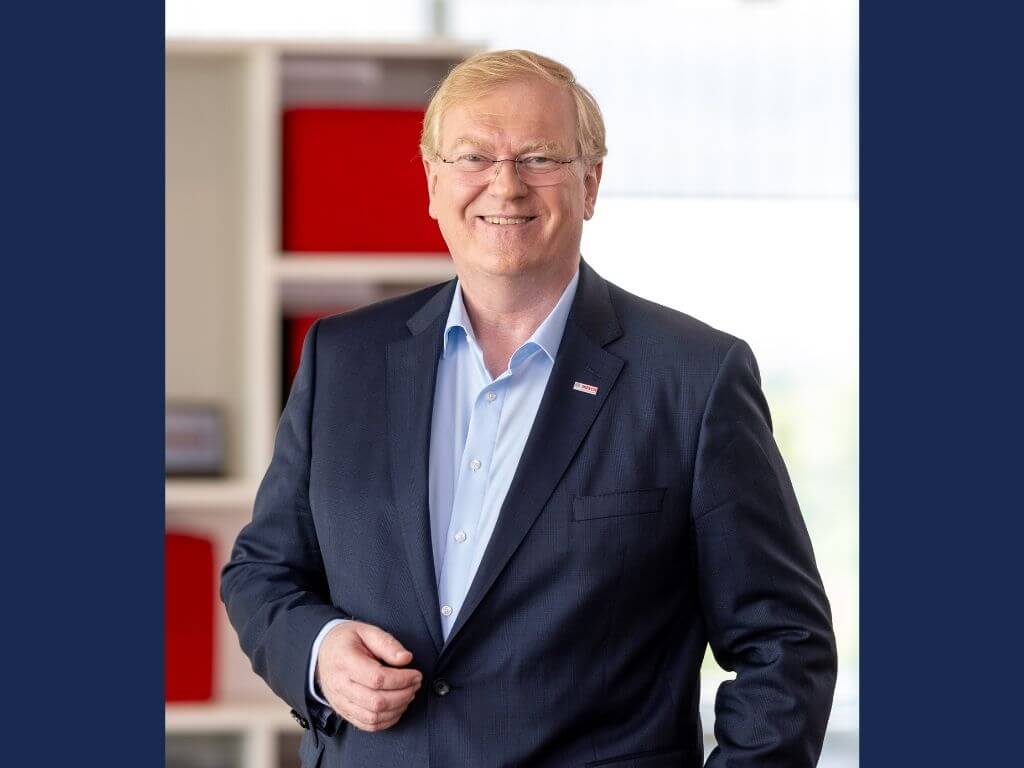
“Bosch can deliver the future—even under unfavorable conditions. 2026 will be a year of progress,” Stefan Hartung, CEO of Bosch, said in a press statement.
In the Philippines
Bosch is marking 100 years in the country with plans to deepen market penetration and workforce development. It posted 45 million euros in local sales in 2025 and employs over 600 people.
Managing director Celeste Cervania said, “In our centennial year, we are focused on scaling up Bosch’s presence in the Philippines.”
The company aims to expand distribution beyond major cities, grow its automotive service network with Ayala Group, and introduce 30 new cordless power tools. It is also exploring partnerships to upskill Filipino workers in advanced manufacturing.
The big picture
Bosch continues to invest heavily in future technologies, allocating around 12 billion euros in 2025 to research, development, and capital expenditures. Its innovation pipeline includes AI-powered mobility systems, advanced sensors for robotics and autonomous driving, and smart consumer appliances.
Sensor technology alone is projected to become a massive growth engine, with global demand expected to surge in the coming years.
Between the lines
Despite cost-cutting measures, including job reductions in Germany, Bosch is prioritizing competitiveness to fund innovation. CFO Markus Forschner emphasized that financial discipline will help sustain long-term investments and resilience.
What’s next
Bosch plans to enhance access to capital markets and maintain strong cash flow while scaling high-growth segments like software-defined mobility and AI-driven services. —Vanessa Hidalgo | Ed: Corrie S. Narisma