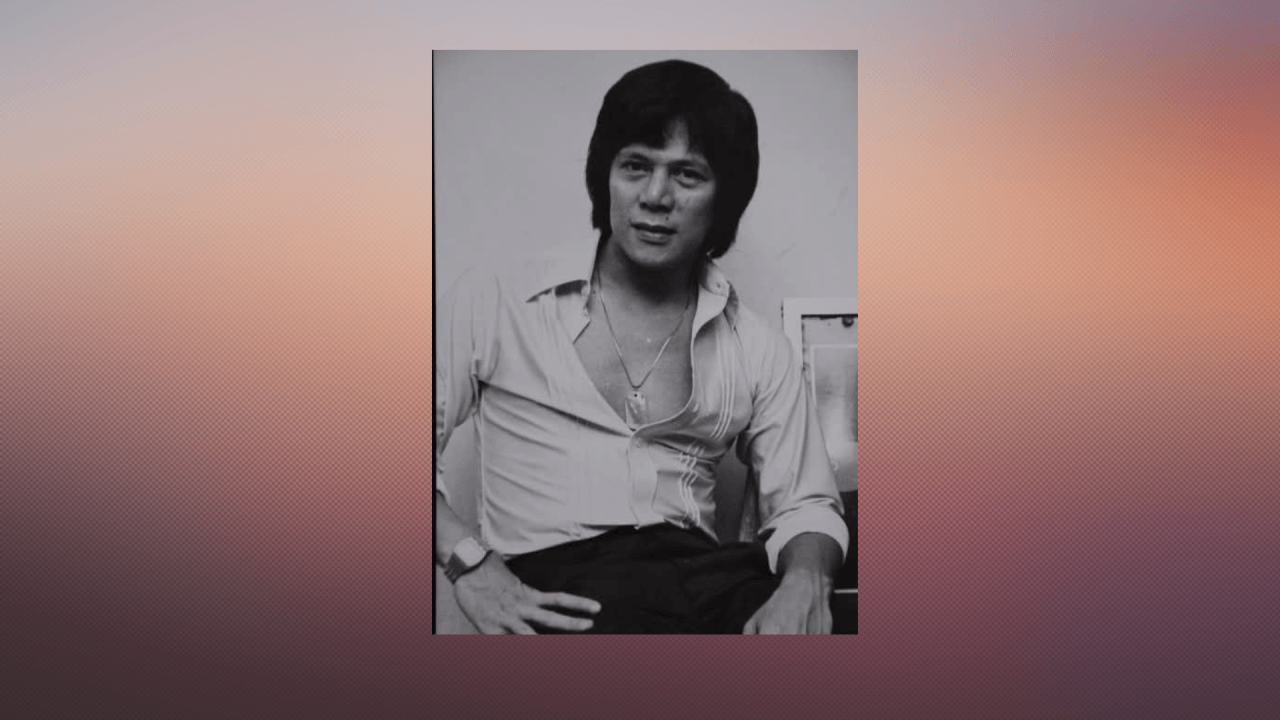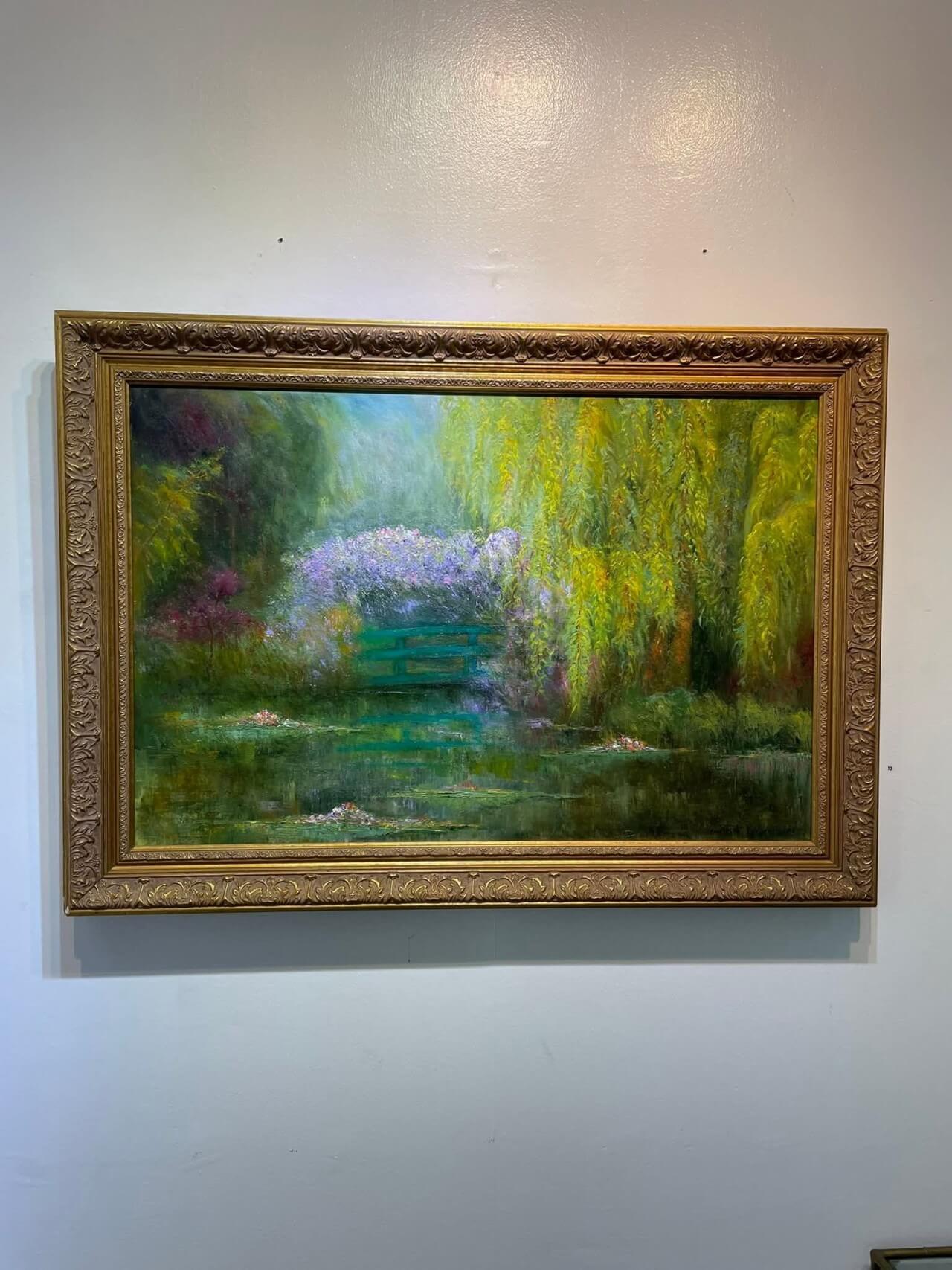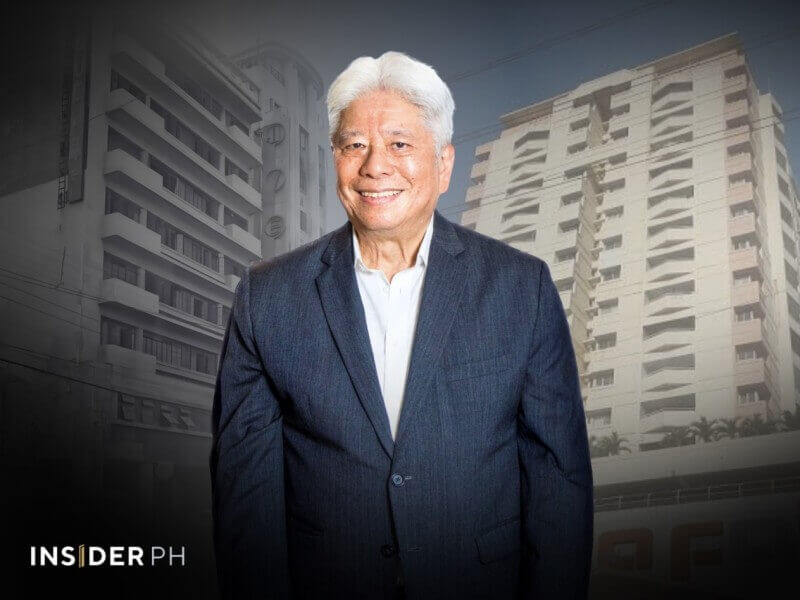
We settled into Silverio's Legacy Art Gallery, surrounded by his oil paintings. Landscapes, floral scenes, figurative works, and even a self-portrait of Silverio smiling in a tuxedo reveal an impressive talent for a self-taught artist.
Belying his age as an octogenarian, Silverio remains remarkably spry and sharp. Over the next half hour, he retraces a life that closely parallels Toyota's rise in the Philippines—from helping introduce the Japanese brand to Filipino motorists to becoming one of its most recognizable ambassadors on the racetrack and the basketball court.
Toyota's beginnings
Dante recalls that when his uncle, Ricardo "Tata Carding" Silverio, organized Delta Motor Corp. in the early 1960s, he was in New York helping manage the family's textile import business, which had humble beginnings in Ylaya, Divisoria.
The shift from textiles to automobiles was a dramatic one, driven largely by Tata Carding's passion for cars. Together with several friends, he imported 120 units of the Toyopet Tiara, a compact four-door sedan.
"They came to the Philippines under a barter system," Dante says, adding that the arrangement was facilitated by postwar reparations under the Macapagal administration.
But releasing the vehicles from customs proved to be an uphill battle.
After languishing in customs for three years, the Toyopets were finally released. By then, the government had liberalized the importation of other goods, giving the fledgling Delta Motor the opportunity it needed to grow.
The delay, however, created another problem.
After spending years in storage, the cars required repairs. An even bigger challenge, however, was convincing buyers to embrace a little-known Japanese brand.
"Nobody wanted to touch Toyota," Dante recalls. "Because the image of Japanese products [at that time] was bad. They were copying items and they weren't good copies."
Winning trust
Faced with unsold vehicles and an unfamiliar brand, Delta Motor struck an unconventional deal with a struggling taxi operator.
"You use the car, okay?" Dante recalls how they approached the owner. "If you make good, you pay us. If you don't, let's just fold."
“It was an all-or-nothing deal,” he says.
The gamble paid off.
The taxi company turned profitable, and the Toyopet Tiaras earned a reputation for durability, reliability, and fuel efficiency.
"The product became popular in the market," Dante says.
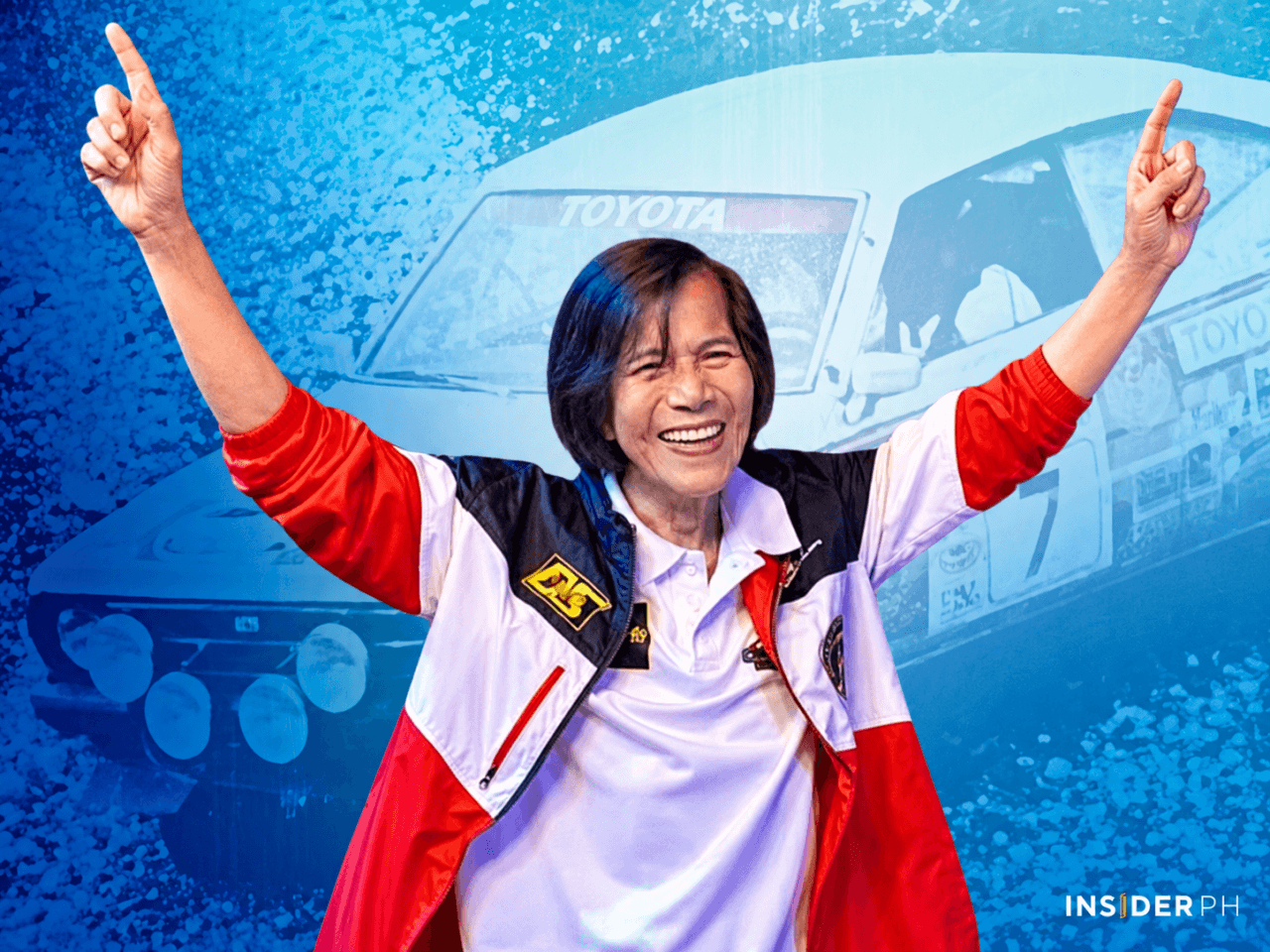
As Toyota gained public acceptance through Delta Motor—which later participated in the government's Progressive Car Manufacturing Program—the company found another way to build the brand: motorsports.
Racing years
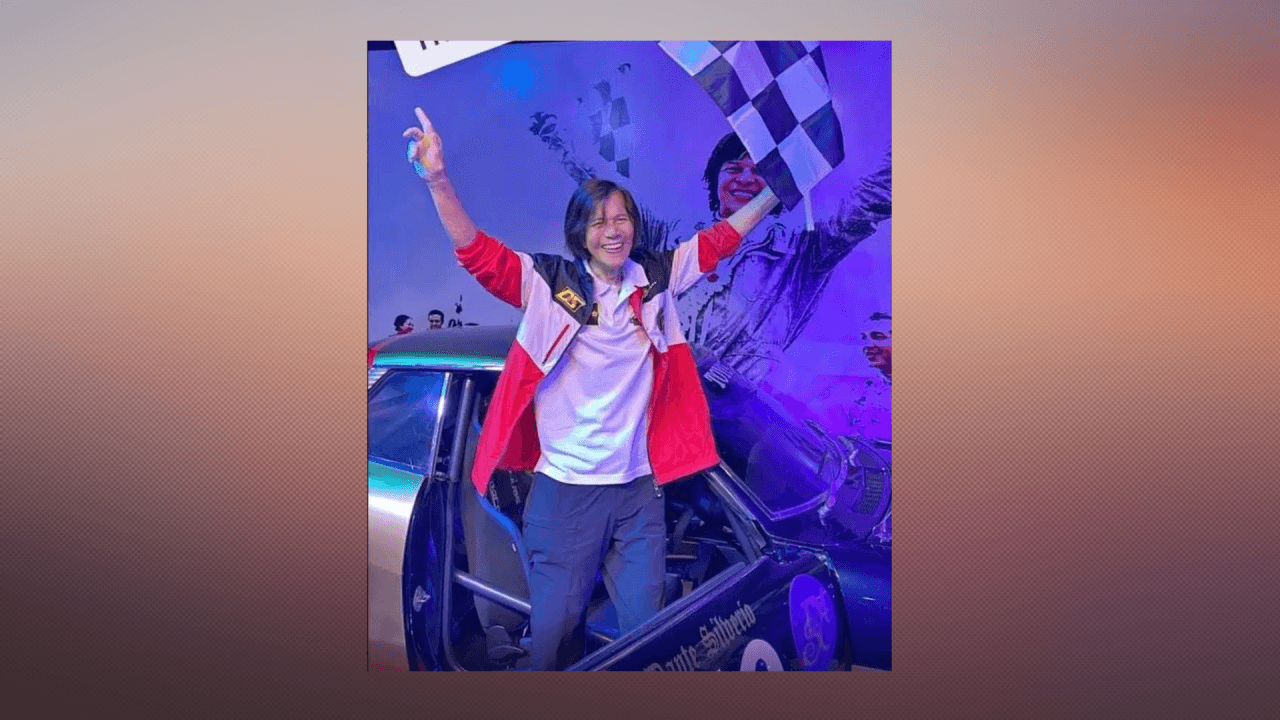
Dante credits his younger brother, Ricky, with introducing the family to motorsports.
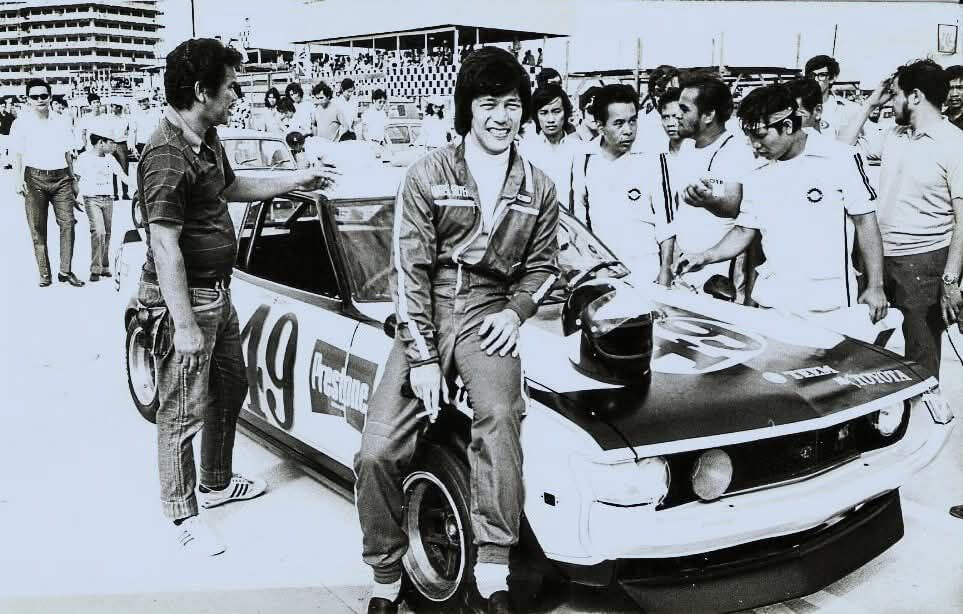
"It was my brother Ricky who was deeply enthusiastic about racing," he says, recalling their debut in the 1969 Cebu Grand Prix.
Their 1,300cc Toyota Corollas struggled against the dominant Mini Coopers.
"We did not accomplish anything good," Dante admits. "We were new in motorsports."
But the experience left a lasting impression.
Drawn by "the sound, the atmosphere, and the excitement of motorsports," he went on to compete in slaloms and later in the Manila Grand Prix, gradually gaining experience.
A turning point came when he teamed up with racer and hotelier Pocholo Ramirez, who helped organize the landmark Greenhills Grand Prix in 1972 using a converted street circuit.
"We had to do something about our participation," Dante recalls, noting that Toyota racers were up against heavily modified Fords powered by twin-cam engines.
Celica era
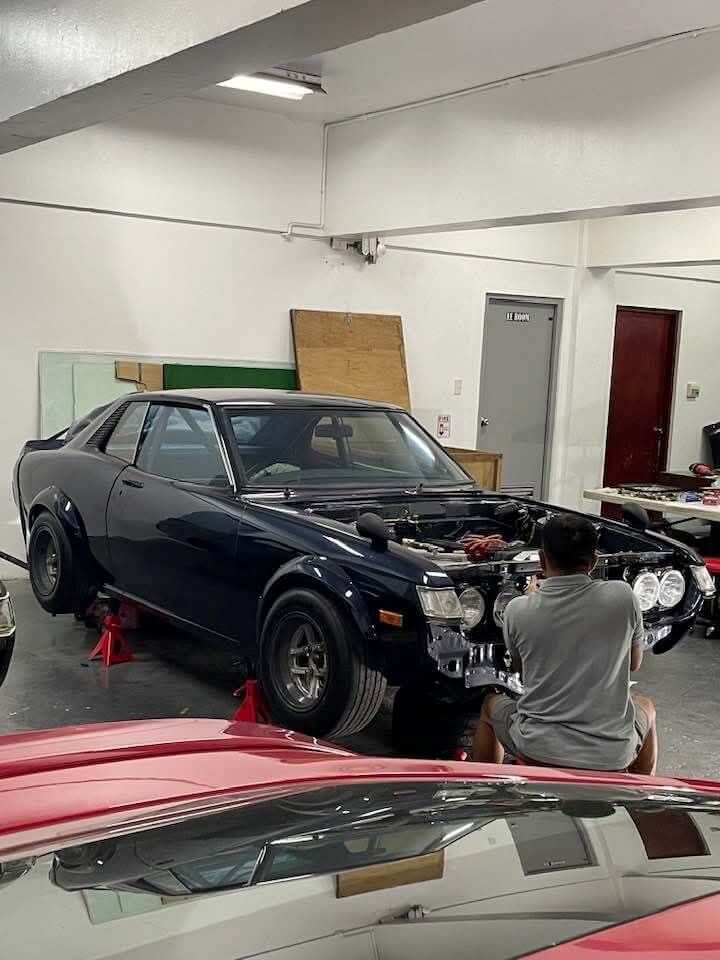
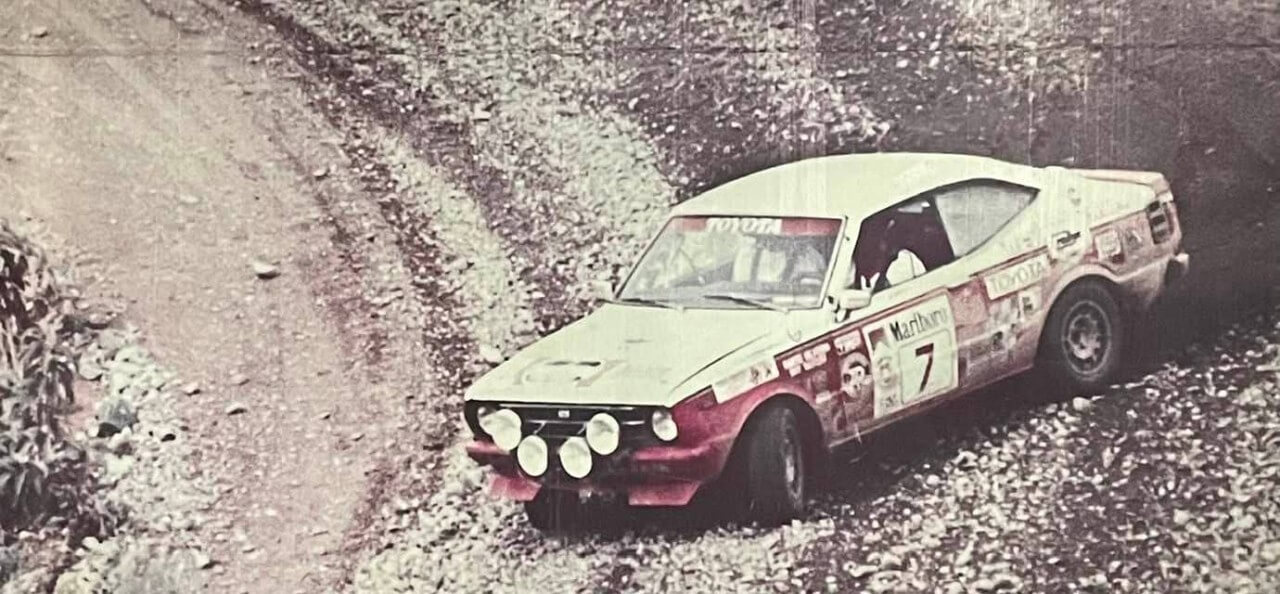
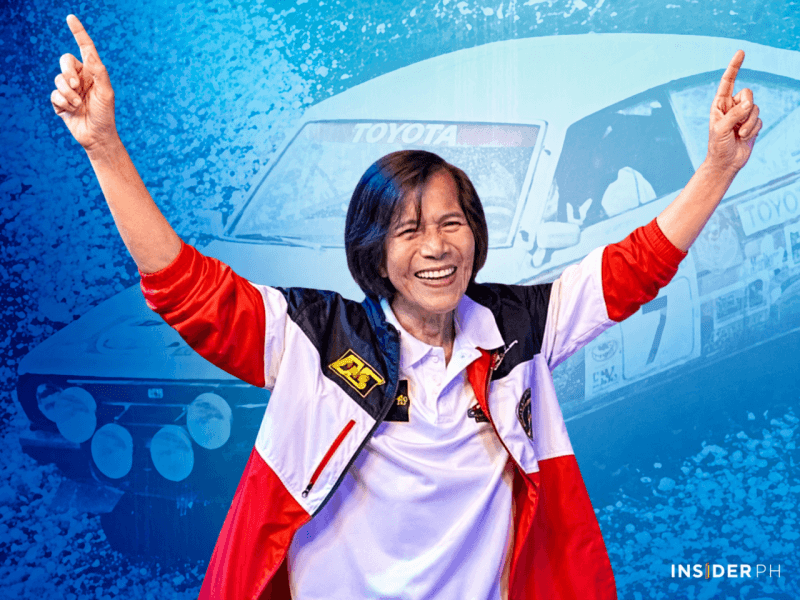
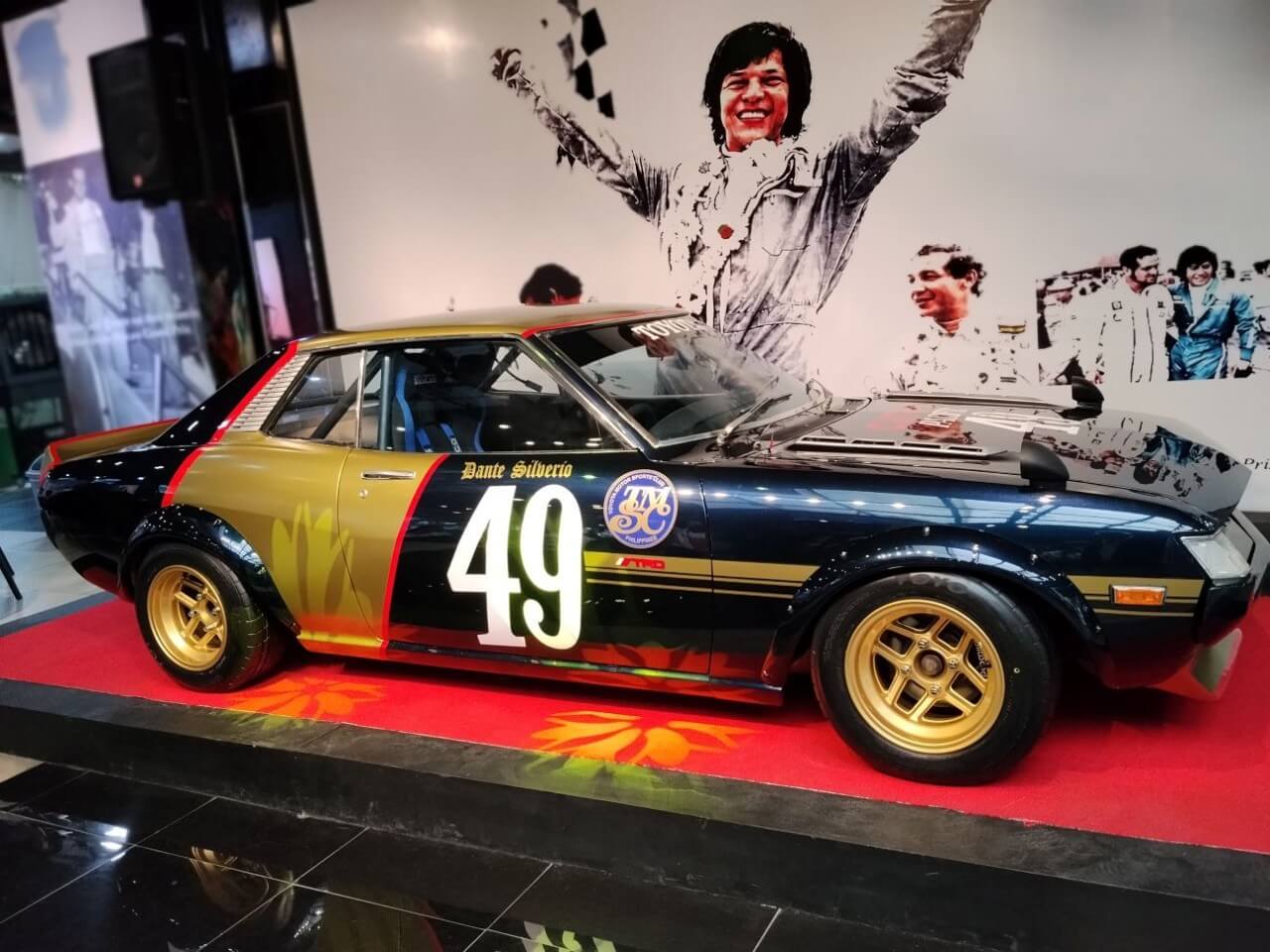
Then came the breakthrough. Toyota had just introduced the Celica."Boom! What a surprise. The Celica was a sensational car right then and there. It was futuristic. There was never a car like that in the market.
"Determined to race the new model, Dante persuaded Toyota executives to bring the Celica to the Philippines."With my prayers and meeting with them, they gave us two cars.
"The decision transformed Toyota's fortunes on the racetrack."So against all odds, my team won. That was the start of my adventure, my involvement in motorsports."Victories in local racing—and later in Macau and Singapore—not only elevated Silverio's profile but also helped strengthen Toyota's image in the Philippine market.
Courtside success
As Toyota's visibility grew, another opportunity emerged."I got to be associated with people in sports," Dante recalls. "They said: why don't you try basketball? It's a very popular sport in the country. It's good for Toyota exposure."
Toyota first entered the Manila Industrial and Commercial Athletic Association (MICAA) through the Komatsu Comets, initially coached by Nilo Verona. When Verona returned to Adamson University, Silverio unexpectedly found himself taking over despite widespread skepticism.
"Dahil involved na ako at love ko na rin yung sport, that started my coaching," he says.
The challenge grew even bigger with the formation of the Philippine Basketball Association (PBA) in 1975. As coach of Toyota's teams—the Silver Tamaraws, Superdiesels, and later the Super Corollas—Silverio immersed himself in learning the craft.
"I studied it thoroughly—how to be a good coach and how to win. Of course, winning is the goal, right?"The effort paid off. Toyota went on to win nine PBA championships behind a roster that included basketball legends Robert Jaworski, Ramon Fernandez, and Gil Cortez.
Business setback
The 1980s brought difficult times.
Delta Motor Corp., then the flagship of Silcor Management Corp., faced mounting financial pressures. With debts exceeding P1 billion and Philippine National Bank as its principal creditor, rehabilitation efforts ultimately failed.
Toyota terminated its licensing agreement with Delta on March 31, 1984.
"Like any other company, you have difficulties in one way or another—political conditions, economic conditions. These factors confronted the company," Dante says.
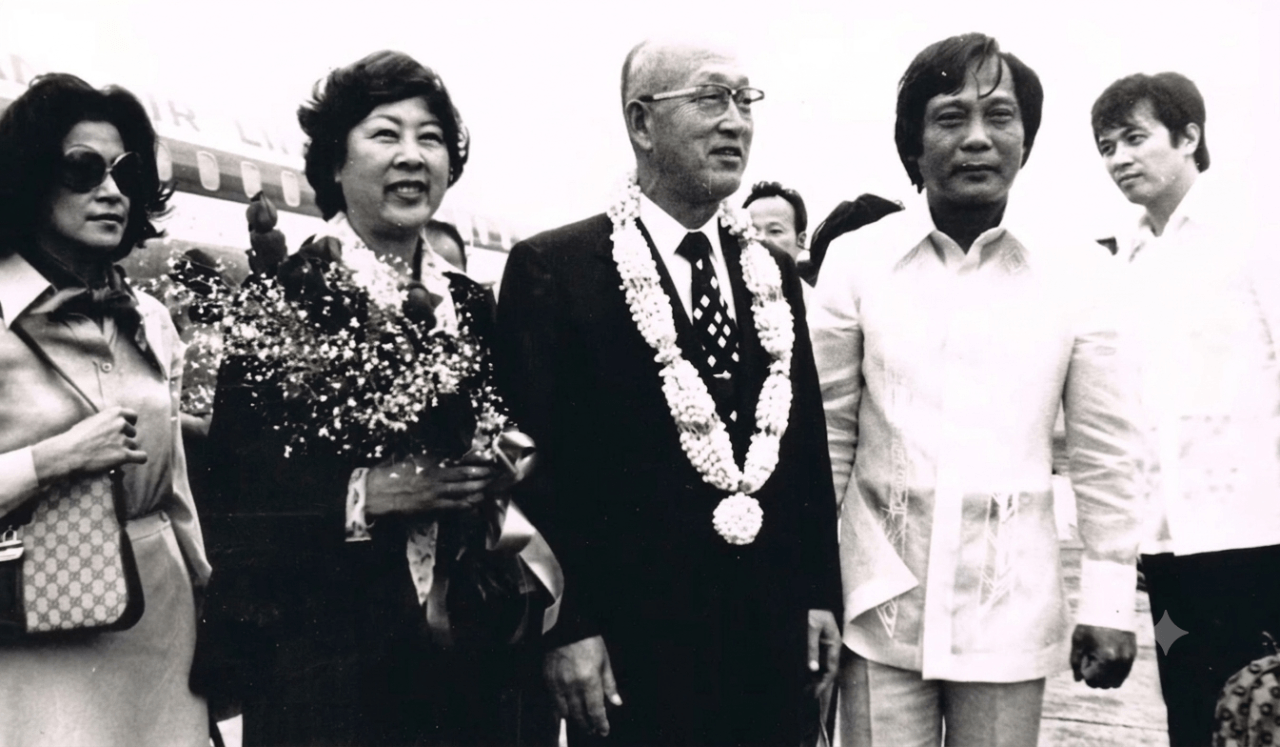
He also acknowledges the family's close ties with the Marcos administration.
"That was an open secret. We were close to the Marcoses—they helped him."
In “Some Are Smarter Than Others,” Ricardo Silverio later maintained that he became a victim of the Marcos regime after his relationship with then-President Ferdinand Marcos soured.
The collapse of Delta also forced the company to relinquish its prized PBA franchise.
"It hurt," Dante says quietly. "Then you just kind of disappear in the air. It makes you cry."
Creative chapter
Although he briefly returned to the PBA as coach of Formula Shell from 1988 to 1989, Silverio eventually turned to creative pursuits.
He immersed himself in painting, took up flamenco dancing, and even nurtured a passion for singing, fashioning himself into a suave crooner.
As our conversation winds down, I ask him what he thinks about electric vehicles.
He believes they represent the future.
"We need an evolutionary creation to move forward."
Finally, I ask what legacy he hopes to leave after a life spanning business, motorsports, professional basketball, and the arts.
He pauses for a moment before answering.
"Time will tell, I don't know. But all I can share is: let's keep moving. Let's keep moving up!" —Ed: Corrie S. Narisma
Features Reporter