What was once a tool for simple queries has evolved into a more intuitive and conversational platform, Google said in a statement.
Powered by advanced multimodal AI models like Google’s Gemini 3.1, Search can now better understand complex and nuanced intent, allowing users to engage in more natural, back-and-forth interactions across text, voice, and visual formats.
AI evolution
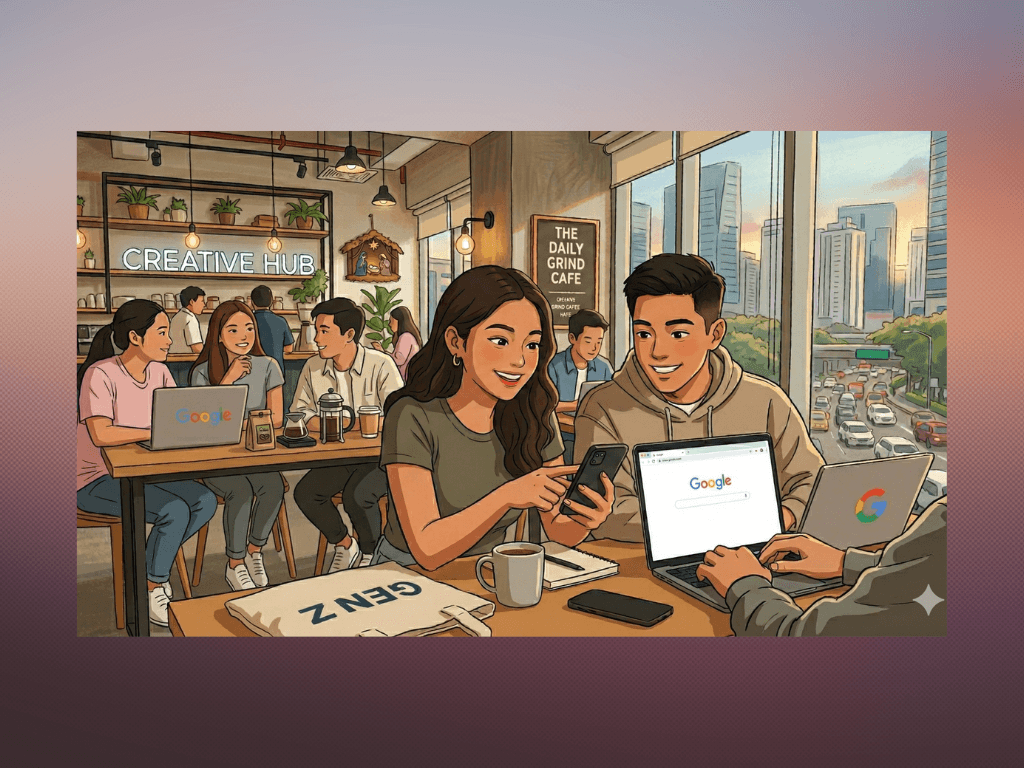
This transformation is resonating strongly with Gen Z, widely considered the first generation of “AI natives.” Instead of typing short keywords, users are now researching, planning, brainstorming, and even holding conversations with Search.
AI-powered features such as AI Mode and Search Live have made the experience faster and more natural.
As a result, signed-in users aged 18 to 24 now generate more daily queries globally than any other age group. Google processes more than five trillion searches annually, with Gen Z playing a significant role in driving this growth.
In the Philippines, the trend is even more pronounced.
Local behavior
With one of the youngest and most digitally native populations in the world, the country’s Gen Z users are leaning heavily on Search for everyday decisions. Around 89 percent use it daily, from researching travel destinations to exploring trends and making purchasing choices.
While social media platforms often spark initial interest, Search is where users go to verify information and gain deeper insights.
Filipino Gen Z users rely on tools like Google Reviews and Maps to evaluate restaurants, check product credibility, and compare prices before making decisions.
Search remains anchored in trust, with AI-generated responses supported by verifiable sources that users can easily access.
“As a travel content creator, I use Google Search a lot—not just to find deals, but to check which options have less environmental impact,” said Filipino content creator Arshie Larga. “It’s also my filter to avoid tourist traps. When I see something viral, I check Google Reviews first.”
Google Southeast Asia vice president Sapna Chadha said AI is expanding the role of Search beyond information retrieval.
“AI is making Search more intelligent so it can converse interactively and provide answers to complex and nuanced questions,” she said. “In Southeast Asia, we are seeing this shift happen in real time.”
Culture link
For Gen Z, Search has also become deeply embedded in culture and entertainment. Beyond its functional role, it serves as a digital extension of their interests, fandoms, and daily experiences.
Interactive features such as “Easter Eggs” transform Search into an immersive platform. Users can engage with trivia quests tied to global icons like Taylor Swift and BTS, as well as regional acts such as Filipino girl group BINI.
Search also reflects real-time cultural conversations through tools like Google Trends, which allow users to track what topics are gaining traction globally.
In the Philippines, one of the most notable recent examples was the surge in interest around BINI ahead of their appearance at the Coachella music festival. The search term “BINI Coachella” ranked among the top global trends as fans celebrated the group’s milestone.
To mark the moment, Search introduced a mobile feature where typing “BINI” triggers the group’s signature “Ey” gesture, highlighting how digital platforms are evolving to reflect user culture.
As AI continues to reshape how people interact with technology, Search is no longer just a gateway to information. For Gen Z, it has become a trusted companion—helping them learn, explore, and make decisions in an increasingly complex digital world. —Ed: Corrie S. Narisma