Insider Spotlight
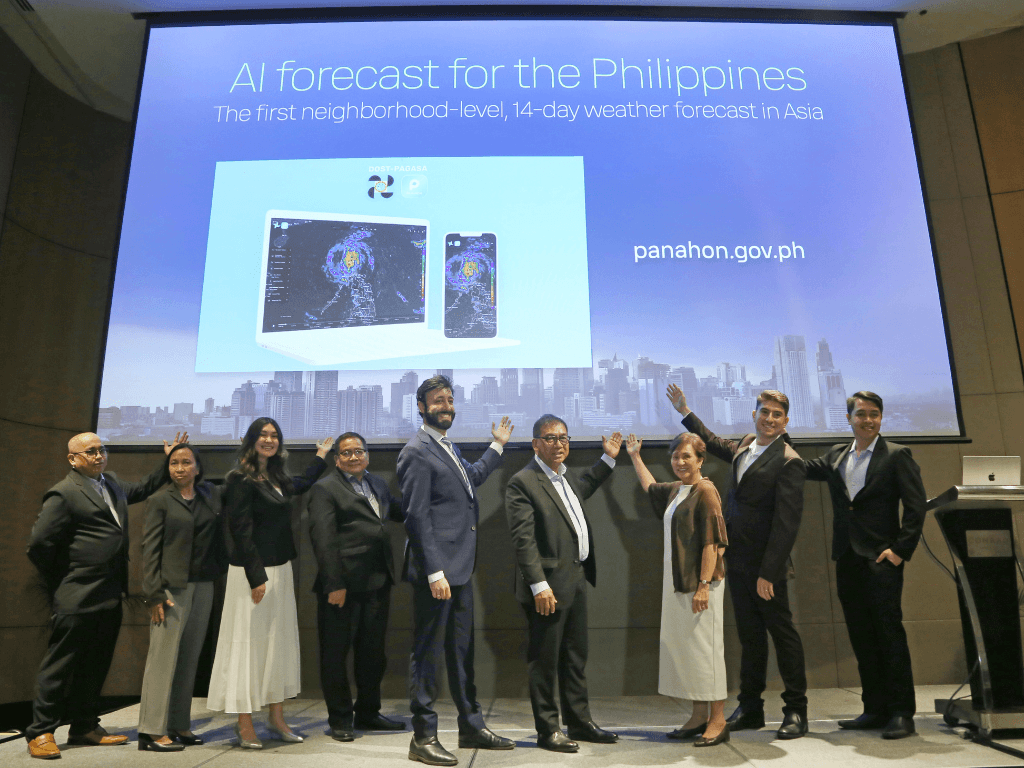
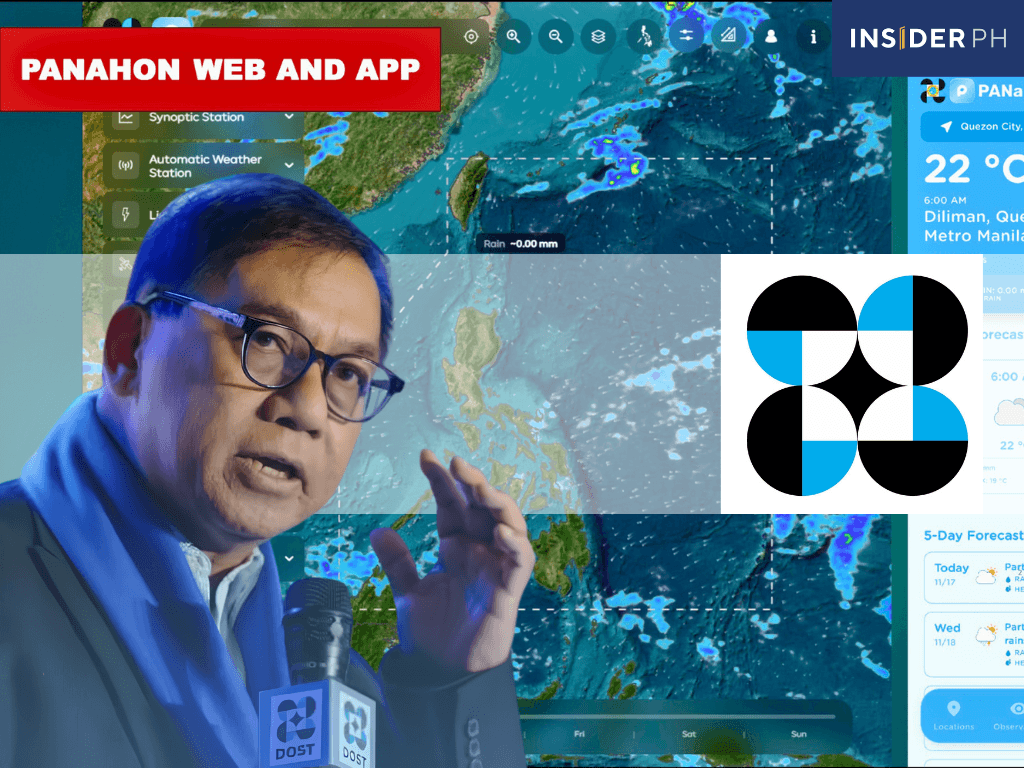
The Department of Science and Technology (DOST) and US-based Atmo on Tuesday, November 17, unveiled the Philippines AI Forecast, a free weather forecasting platform accessible through panahon.gov.ph.
Why it matters
With around 20 tropical cyclones affecting the country annually, more detailed weather forecasts could help communities anticipate hazards, protect livelihoods and reduce disaster-related losses.
The initiative builds on a partnership championed by President Marcos during the 2023 Asia-Pacific Economic Cooperation Summit in San Francisco.
By the numbers
Atmo said the system offers up to 100 times greater geographical detail, 12 times finer time resolution and seven times longer forecast horizons than previous comparable systems.
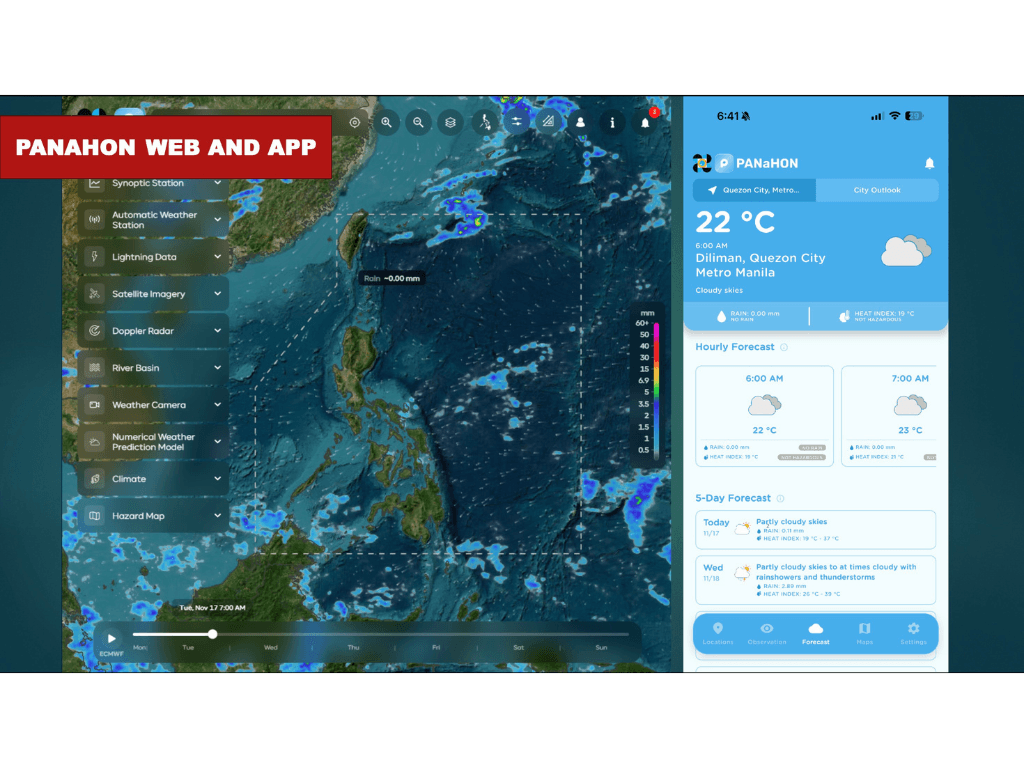
The platform provides neighborhood-level forecasts extending 14 days ahead, with updates every 15 minutes.
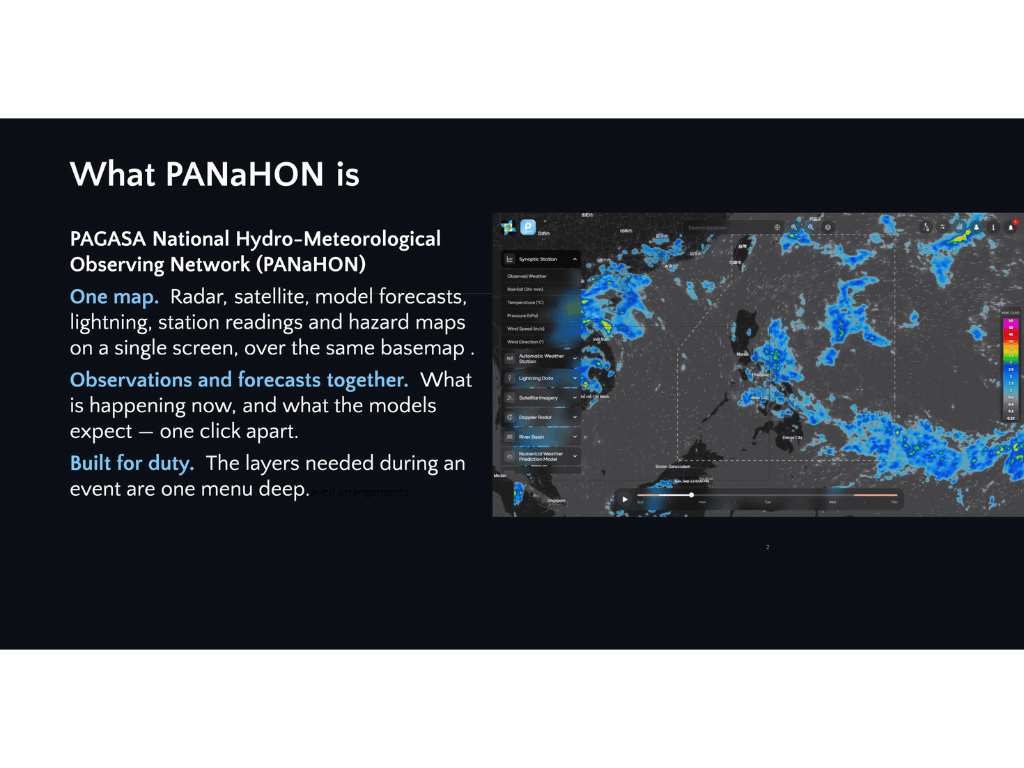
Users can monitor rainfall, wind, atmospheric pressure, temperature, heat index and humidity.
How it works
The system integrates AI forecasting technology with DOST-PAGASA's nationwide network of Doppler radars, weather stations and satellite feeds.
Atmo said independent testing by Scripps using a year's worth of weather data found the technology particularly accurate in predicting significant weather events, including typhoons, heavy rain and heat waves.
The bigger picture
Introduced during the 49th ASEAN Summit in Pasay City, the initiative also reflects efforts to strengthen regional cooperation on climate resilience and emerging technologies.
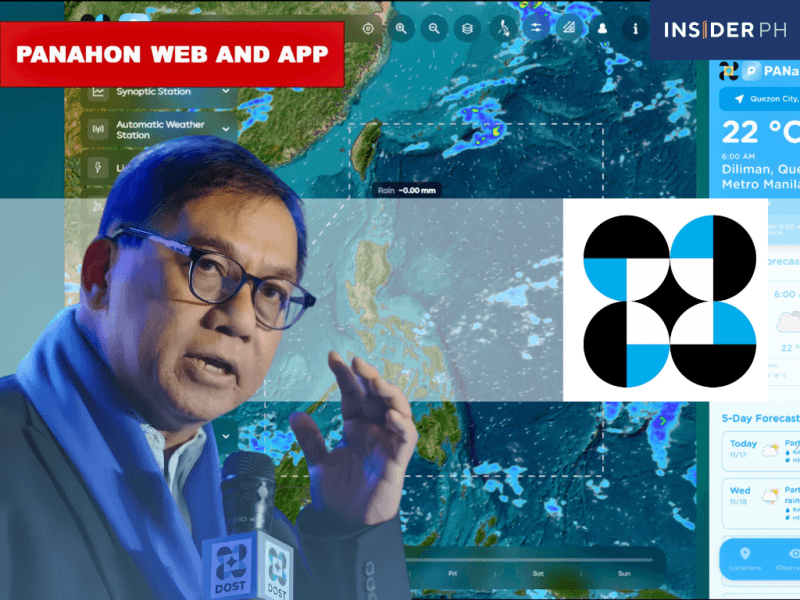
“Climate risks are shared challenges, and the ASEAN member states must navigate this technological frontier together under shared ethical standards, interoperable data frameworks, and mutual trust,” Science and Technology Secretary Renato Solidum Jr. said in a press briefing.
What's next
The government expects the publicly accessible platform to support earlier warnings and better decisions by local disaster response teams, businesses and communities, although forecasts will still require regular monitoring as weather conditions change.
— Edited by Daxim L. Lucas