Insider Spotlight
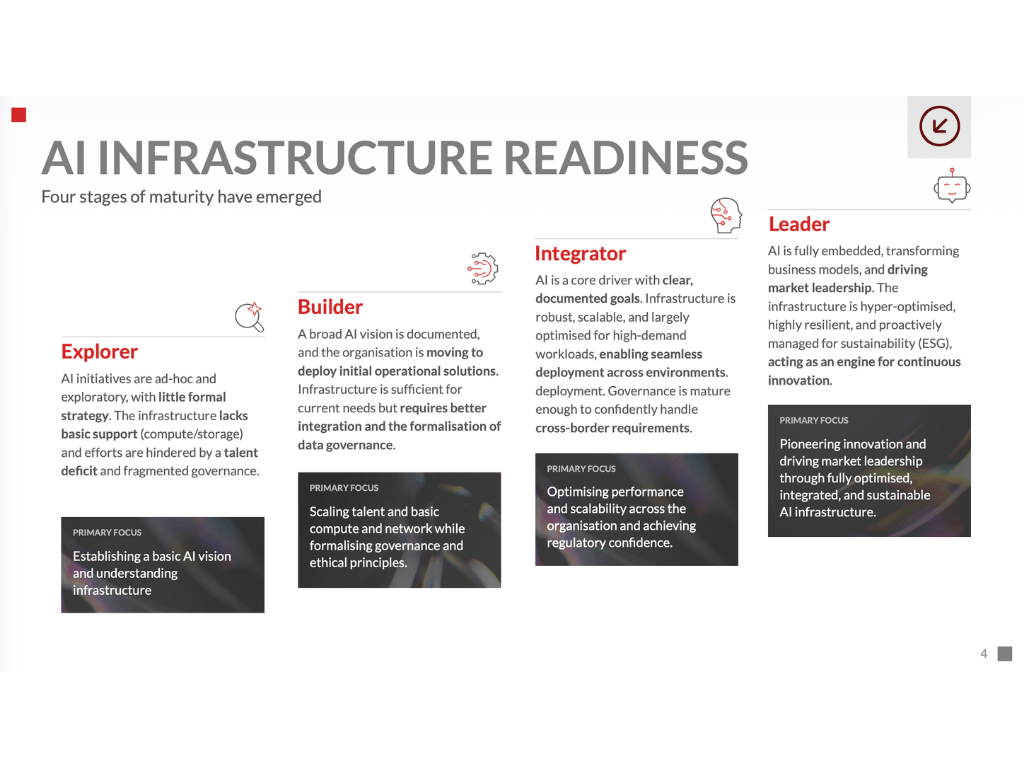
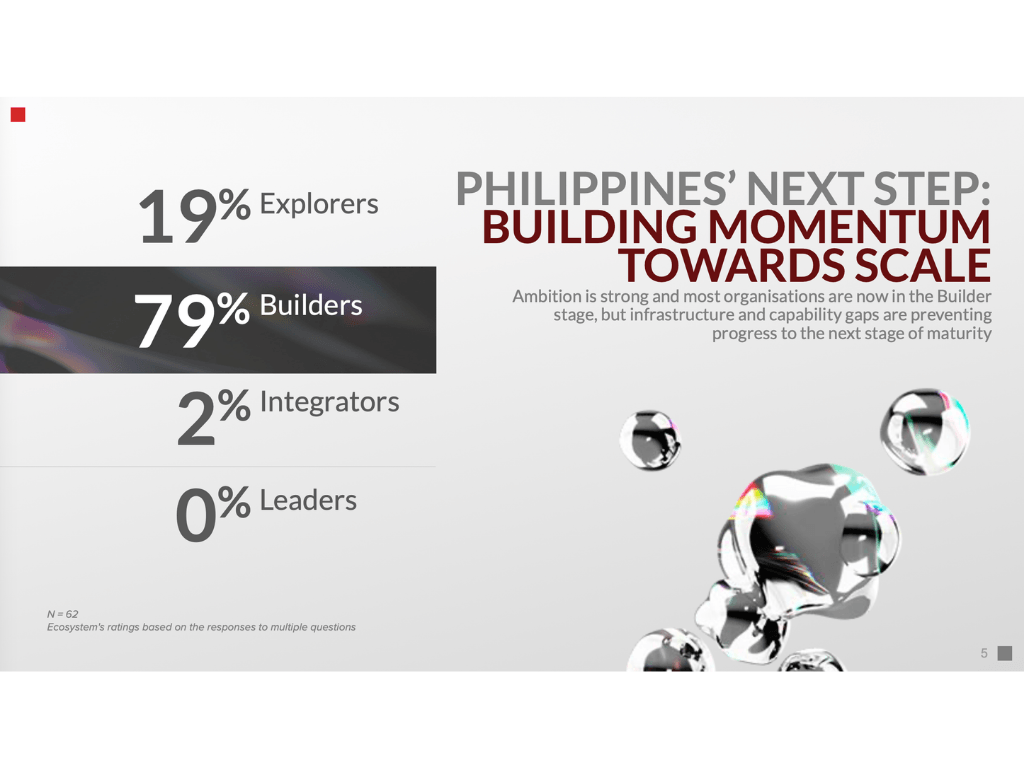
A report from ST Telemedia Global Data Centres (STT GDC) found that 79 percent of local organizations are already deploying early AI solutions, yet only 2 percent have advanced to more integrated, enterprise-wide use.
Why it matters
The gap between experimentation and scale risks leaving Philippine firms behind regional peers as AI adoption accelerates. Without fixing foundational issues, early investments may fail to translate into productivity or competitive gains.
By the numbers
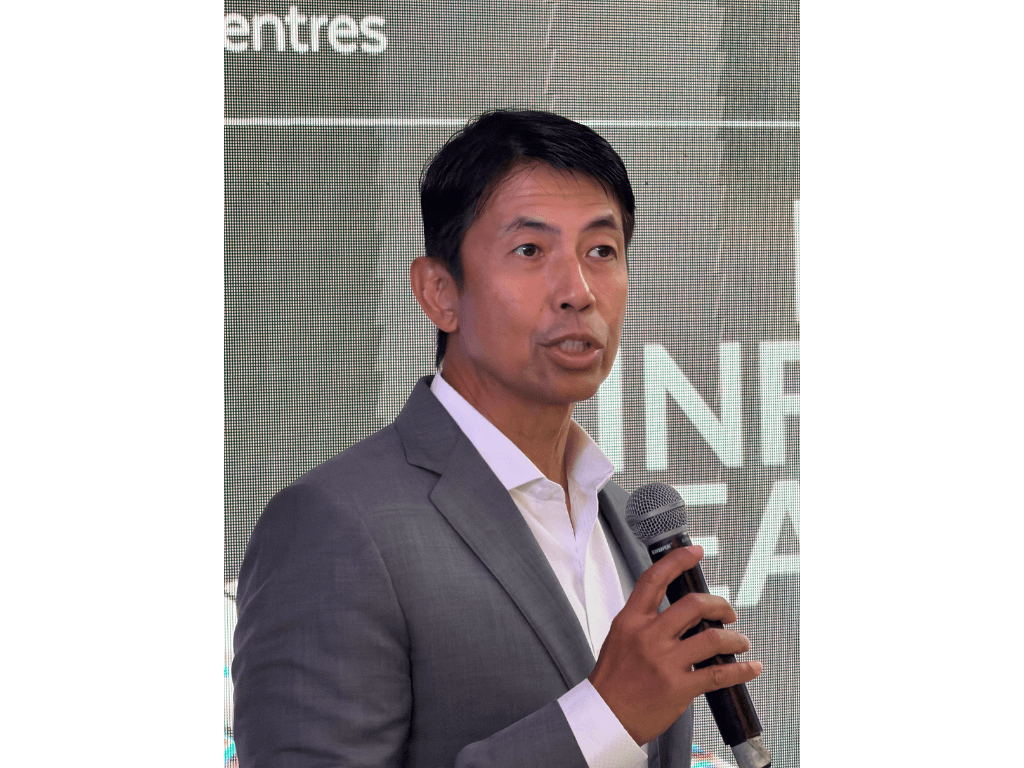
“The data shows a clear pattern — Philippine organizations are investing and experimenting with AI, but many are reaching an infrastructure and capability ceiling,” said Carlo Malana, president and CEO of STT GDC Philippines.
What companies should do
Philippine firms need to move decisively beyond pilot projects. That starts with increasing AI-specific capital spending, particularly in cloud, data centers, and high-performance computing capacity, rather than relying on legacy systems.
Partnerships will also be critical. Companies should work with hyperscalers, colocation providers, and telecom firms to quickly access scalable infrastructure instead of building everything in-house.
Equally urgent is talent development. Businesses must invest in upskilling programs, attract specialized engineers, and embed AI training across functions to reduce reliance on scarce experts.
Finally, leadership teams need to address cultural resistance. With 94 percent of organizations describing internal sentiment as cautious or skeptical, executives must push clearer AI strategies tied to measurable business outcomes.
The bottom line
AI demand in the Philippines is set to surge, with nearly half of firms expecting workloads to grow by more than 50 percent. Companies that align infrastructure, talent, and investment now will be best positioned to turn early momentum into sustained advantage. — Daxim L. Lucas | Ed: Corrie S. Narisma