INSIDER SPOTLIGHT
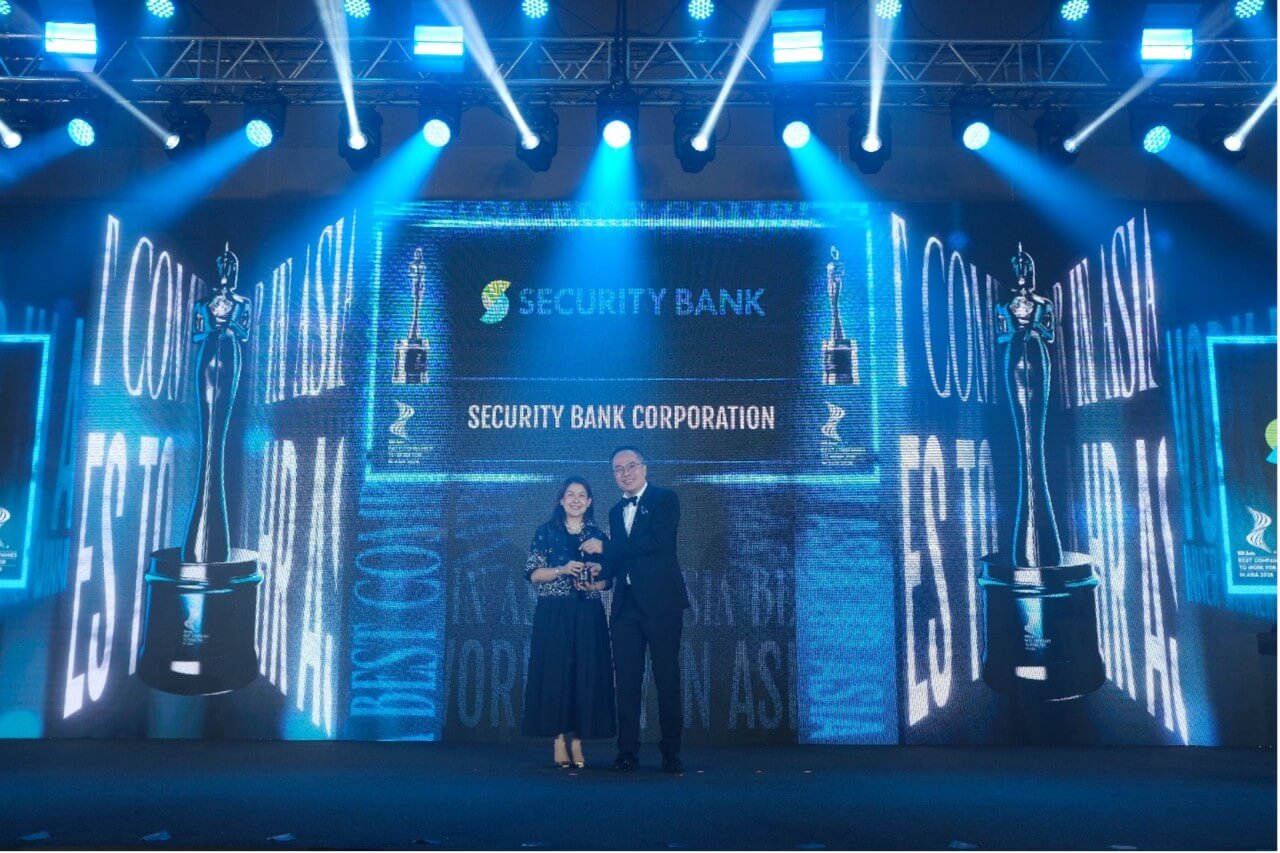
The Bank's people-first approach earned it a place among HR Asia's Best Companies to Work for in Asia 2026, marking its third consecutive year receiving the recognition.
By the numbers
Results from HR Asia's Team Engagement Assessment survey showed Security Bank outperforming market benchmarks across several workplace indicators.
The bank recorded an employee recommendation score of 4.06, exceeding the market benchmark of 3.86, indicating stronger employee willingness to recommend the organization as a workplace.
Workplace flexibility emerged as a standout strength, scoring 4.63 against the market benchmark of 3.86.
Employees also reported above-market satisfaction with collaboration, inclusion, and workplace culture.
Why it matters
As financial institutions compete for talent, employee experience has become an important factor in attracting and retaining professionals.
Security Bank's results suggest that its workplace practices are resonating with employees, particularly in areas that support flexibility and collaboration.
What they're saying
Security Bank chief people officer Nerissa Berba emphasized in a statement the significance of employee-driven recognition.
"What makes this recognition meaningful is that it comes directly from employee feedback," Berba said. "Receiving it for the third consecutive year reflects the strength of our workplace culture and the experience of our employees across the bank."
"While we’re proud of this recognition, our focus remains on listening to our employees and continuously improving the employee experience.”
The bigger picture
Organized by HR Asia, the annual awards recognize companies demonstrating strong workplace cultures and employee engagement through employee surveys and organizational assessments.
Security Bank's consecutive wins in 2024, 2025, and 2026 underscore the consistency of its employee engagement performance.
What's next
The bank remains focused on gathering employee feedback and improving workplace experiences as it builds on its existing organizational culture. —Ramon C. Nocon | Ed: Corrie S. Narisma