Insider Spotlight
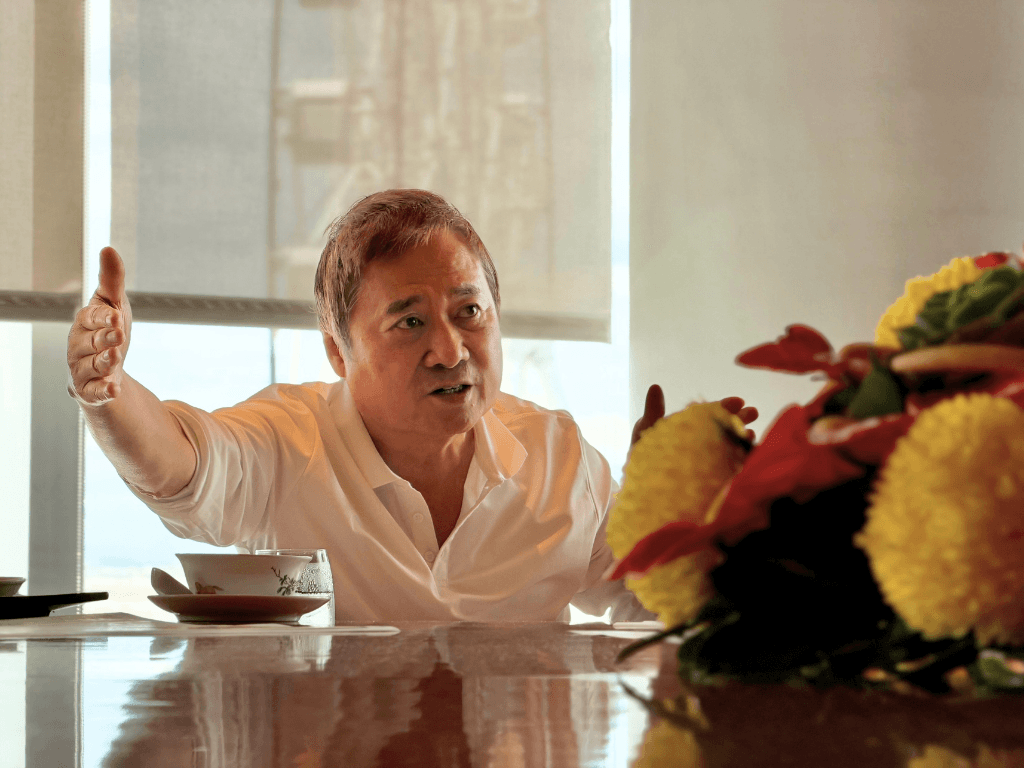
In a briefing on Thursday, Oct. 29, 2026, NGCP vice chair Henry Sy Jr. said the company’s Project Airbag will deploy battery energy storage systems that can store available electricity and release it when the grid is under pressure, including during short-duration shortages, disturbances and evening peak periods.
Why it matters
The initiative is designed to address immediate grid needs while preparing the system for risks tied to a possible 2027 El Niño, which could reduce hydroelectric output in areas dependent on rainfall and reservoir levels.
The NGCP vice chair said the current supply challenge is especially acute in the Visayas, where tight supply conditions and simultaneous generator outages have exposed system vulnerability.
By the numbers
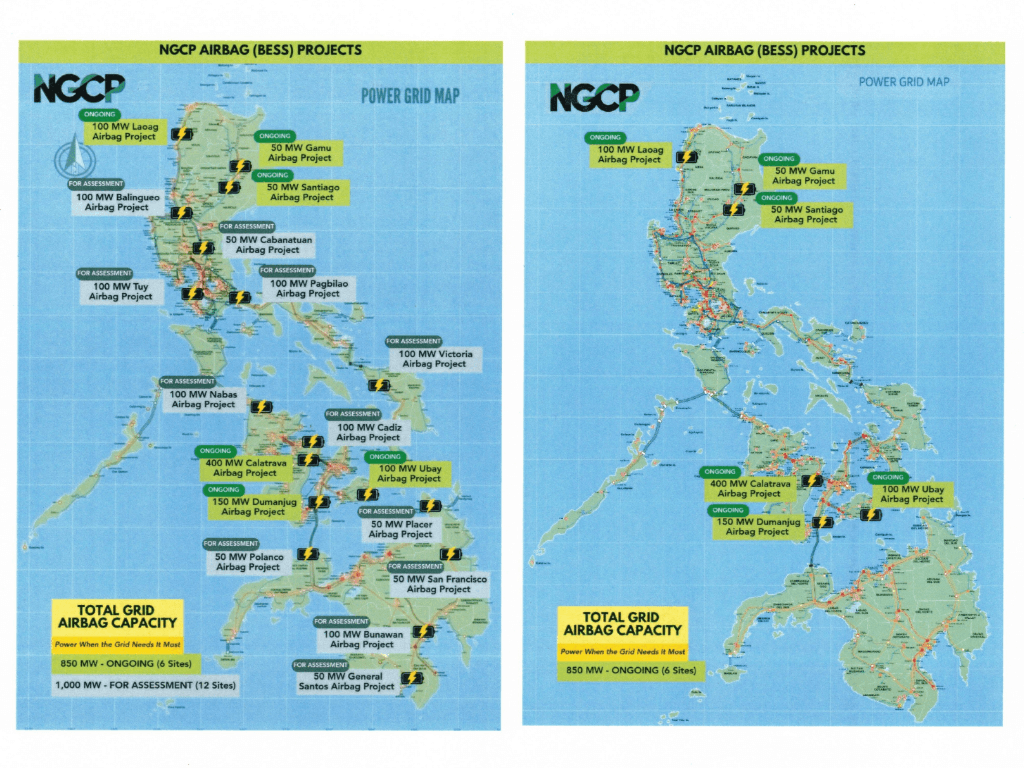
The grid operator identified 850 megawatts (MW) of ongoing Airbag capacity across six sites. These include projects in Laoag, Ilocos Norte; Gamu and Santiago in Isabela; Calatrava, Negros Occidental; Dumanjug, Cebu; and Ubay, Bohol.
Another 1,000 MW across 12 sites is under assessment, including proposed locations in Balingueo, Pangasinan; Cabanatuan, Nueva Ecija; Pagbilao, Quezon; Tuy, Batangas; Nabas, Panay; Victoria, Northern Samar; Cadiz, Negros Occidental; Polanco, Zamboanga del Norte; Placer, Surigao del Norte; San Francisco, Agusan del Sur; Bunawan, Davao City; and General Santos City.
The bigger picture
Sy explained that NGCP is positioning the battery rollout as a bridge while longer-term power supply projects are developed, financed, approved, built and commissioned.
The company stressed that batteries do not create electricity and cannot replace dependable generation over prolonged periods. Instead, storage can provide fast-response support, improve use of transmission assets and reduce immediate vulnerability during system stress.
What’s next
NGCP also mapped 253 MW of Department of Energy-identified ancillary service capacity in the Visayas grid across six sites, including projects in Leyte, Panay, Negros, Cebu and Bohol.
The broader goal is to build a more flexible transmission system that can accommodate power from a wider range of sources, including large-scale generation, embedded generation, distributed energy resources, net-metered facilities, rooftop solar and other emerging sources.
Over time, the NGCP vice chair said storage could help integrate more domestic and renewable energy, reducing exposure to imported fuel price volatility and improving national energy security.
— Edited by Daxim L. Lucas