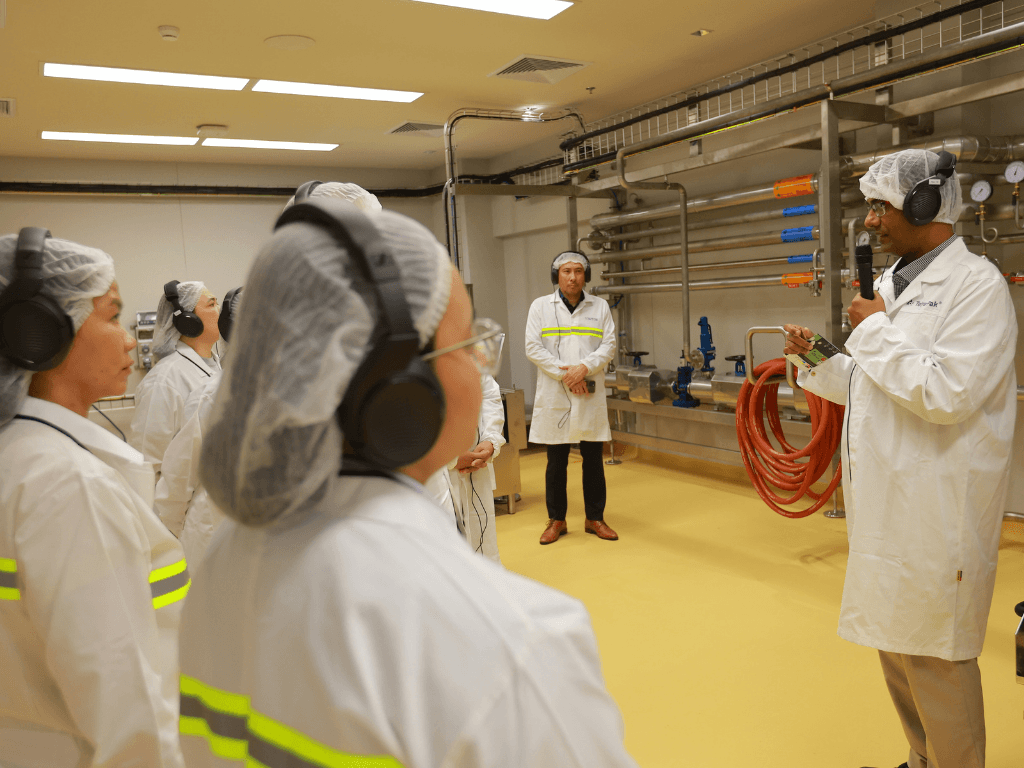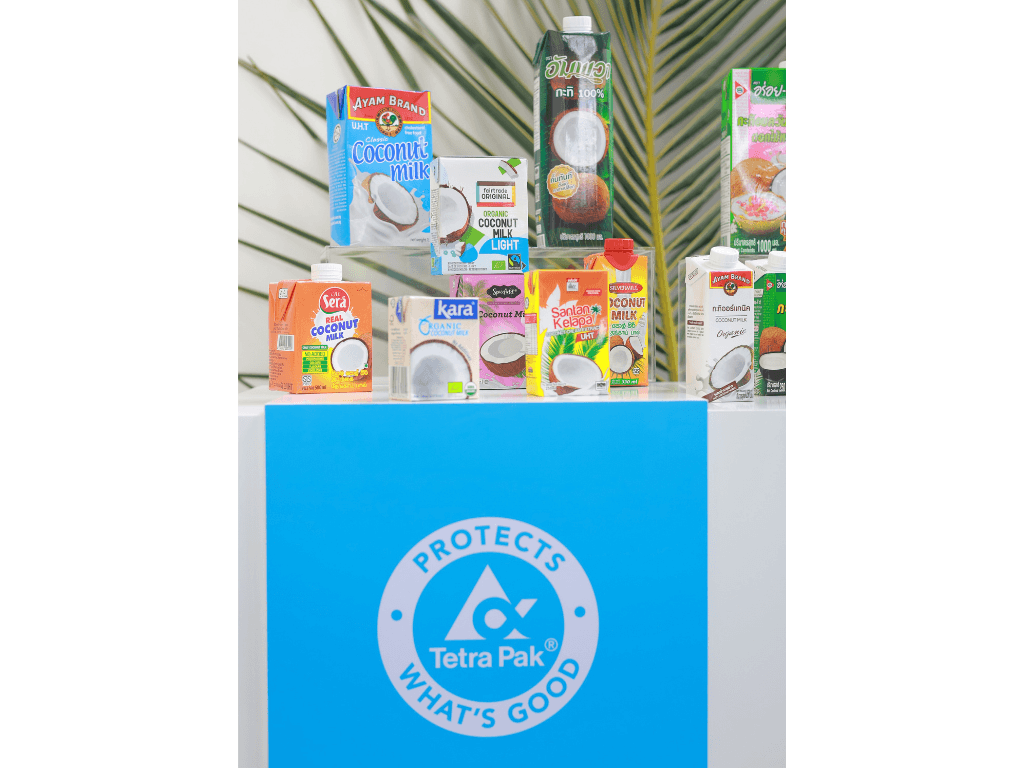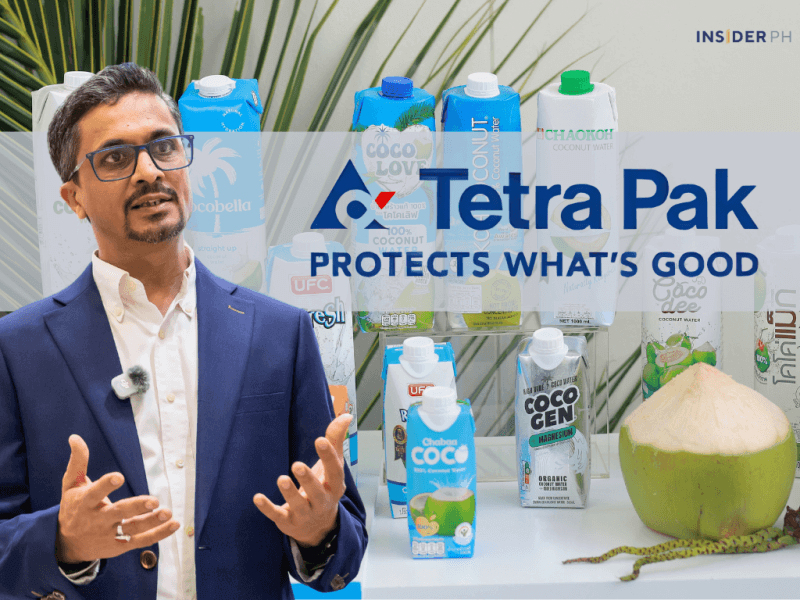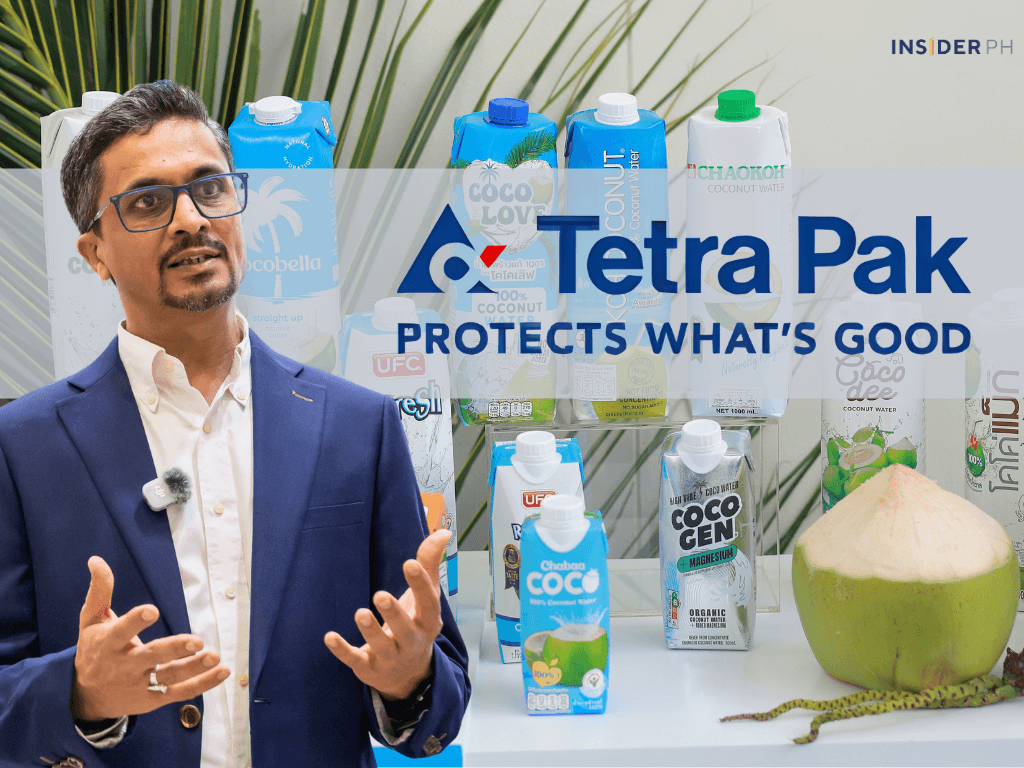
For decades, the Philippine coconut industry has searched for the formula that would allow it to capture more value from one of the country's most abundant agricultural resources. Tetra Pak believes the answer lies in aseptic processing and packaging, technology and bringing premium coconut products closer to global consumers. In this interview conducted via video conference on Tuesday, Sept. 22, 2026, InsiderPH senior reporter Daxim L. Lucas speaks with Singapore-based Hemang Dholakia, Tetra Pak's processing director for Malaysia, Singapore, the Philippines and Indonesia, about why the next chapter for Philippine coconuts may be written not on the farm alone, but further along the value chain.
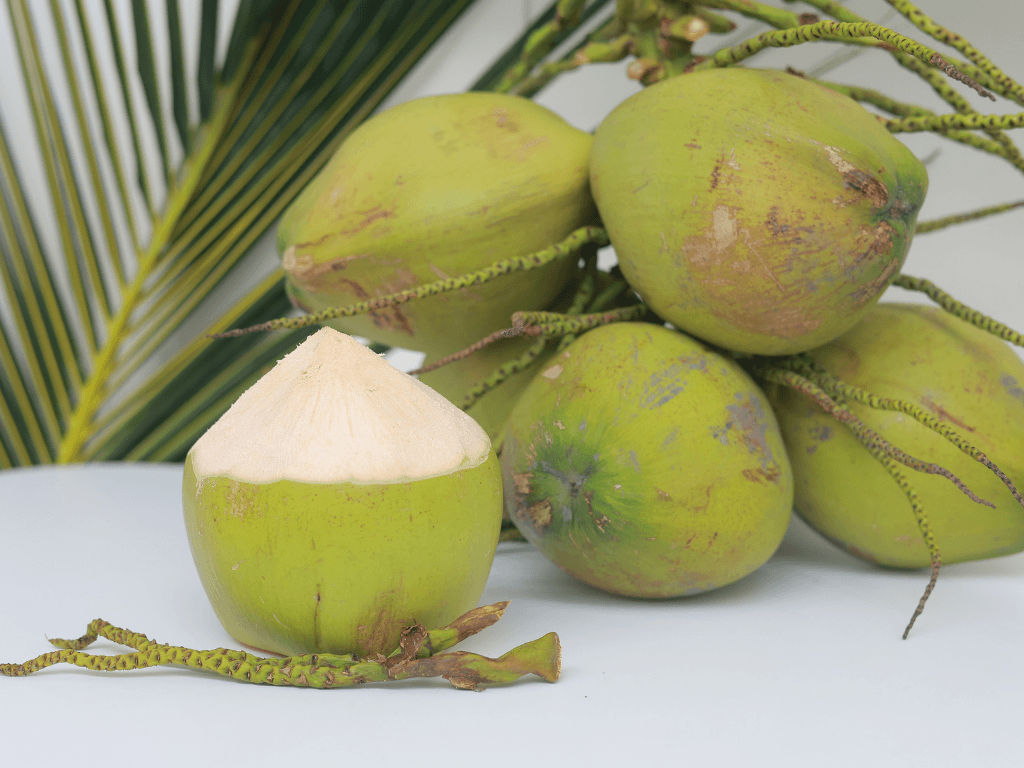
For Tetra Pak, a global food processing and packaging technology company, the future of the coconut business lies not in producing more coconuts alone but in extracting more value from every nut.
"The more value you can create through good processing, keeping the freshness and product quality as original as possible, and then bring it to as many people as possible, the more value you create across the entire value chain," said Hemang Dholakia, processing director for Tetra Pak's Malaysia, Singapore, Philippines and Indonesia markets.
That philosophy is particularly relevant for the Philippines, the world's second- or third-largest coconut producer depending on the year, but one that has historically exported much of its value in raw form.

From farm to global supermarket
Nearly 60 percent of the world's coconuts are produced in Southeast Asia, led by Indonesia and the Philippines. Yet the largest consumer markets for packaged coconut water and other premium packaged coconut products are thousands of kilometers away in the United States and Europe.
For decades, that geographical mismatch limited the industry's potential.
Shipping whole coconuts overseas is uneconomical because coconut water accounts for only about 30 percent of the fruit's weight. Exporting freshly extracted coconut water was equally impractical because it spoils within days without advanced processing.
Tetra Pak believes the solution is to move processing and packaging closer to the farms instead of closer to consumers.
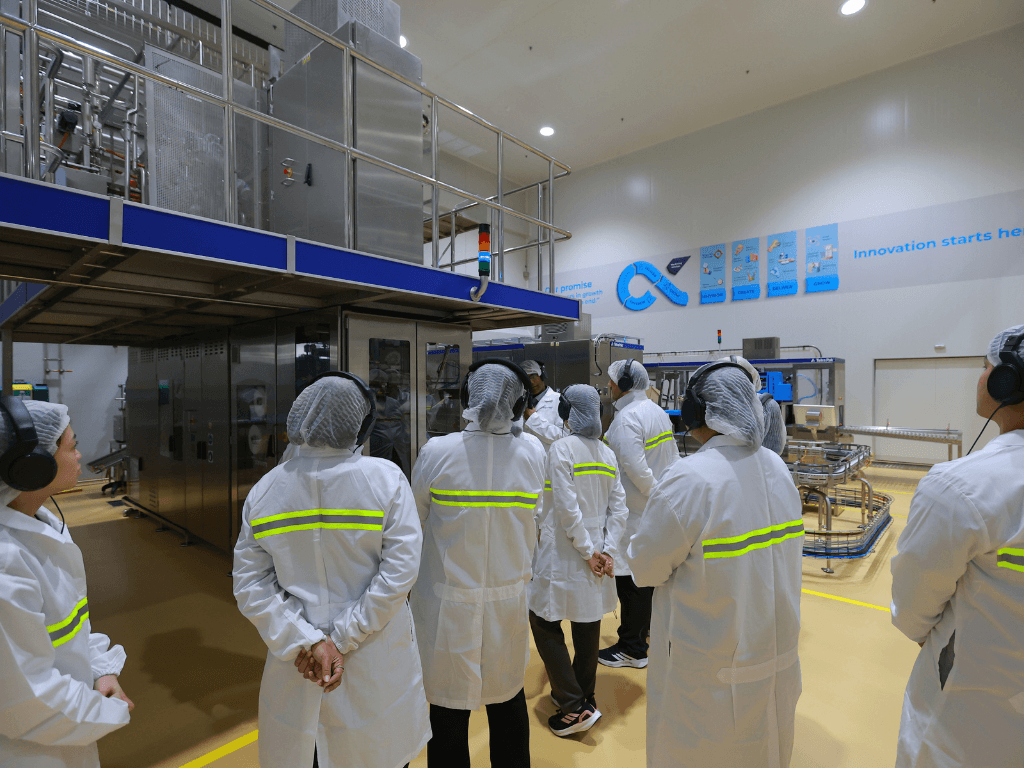
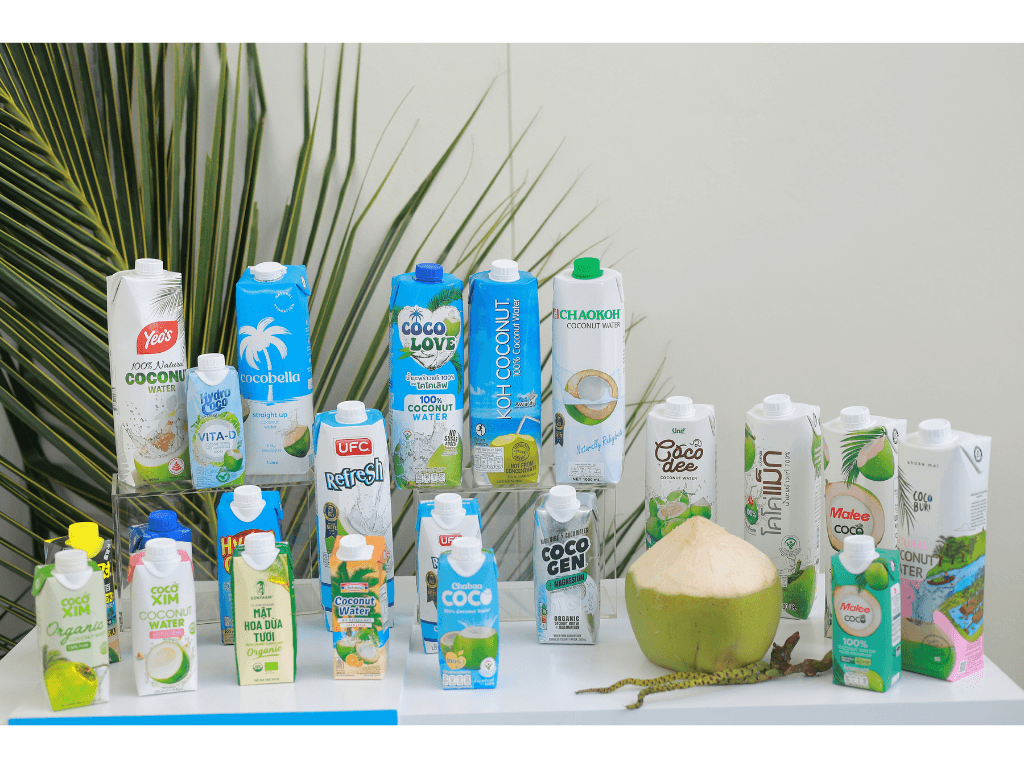
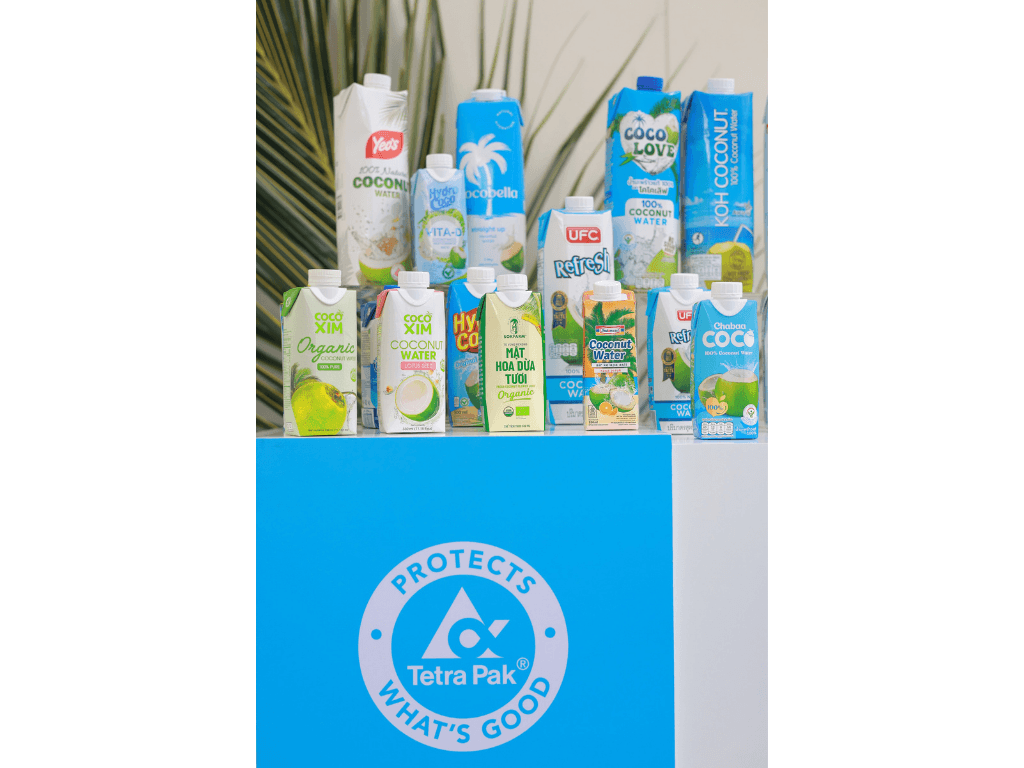
Rather than shipping raw coconuts, processors extract and package coconut water in the Philippines using ultra-high temperature (UHT) sterilization and aseptic packaging technology before exporting ready-to-drink products.
The result is a shelf-stable product that can travel by sea to North America or Europe without refrigeration and without use of preservatives while retaining much of its original taste and freshness.
"It becomes a win-win-win for everybody," Dholakia said, noting that farmers gain access to nearby processors, manufacturers earn more from value-added production, importing brands avoid building expensive overseas factories, and consumers receive a premium-quality product.
Science behind the coconut
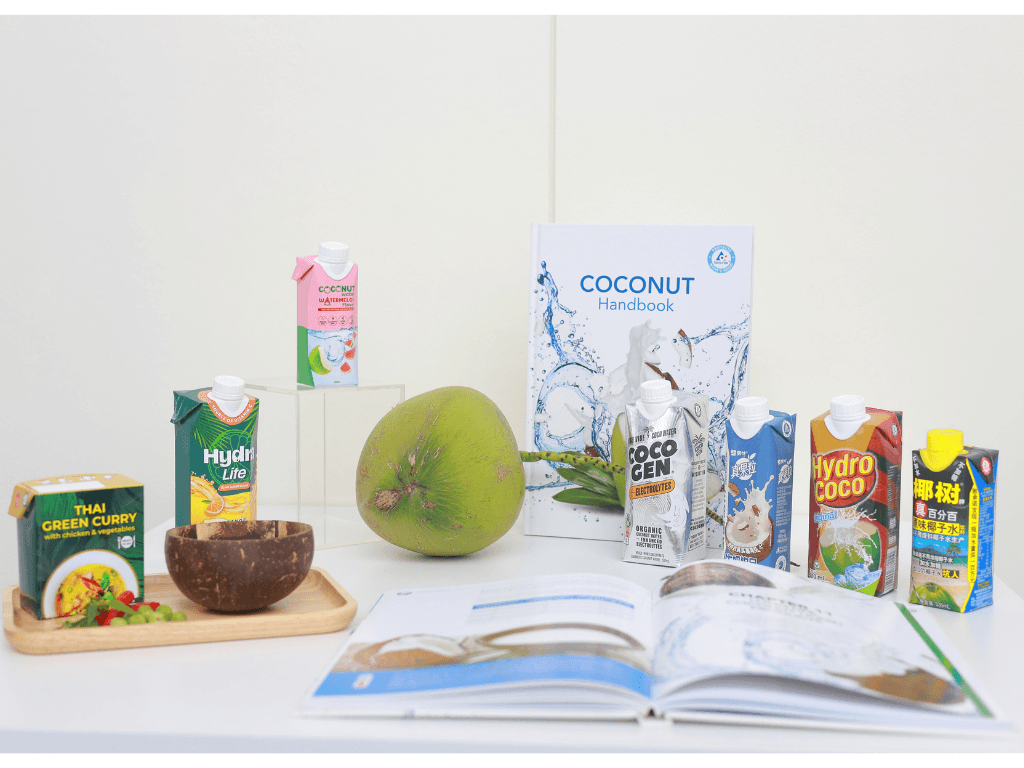
Central to Tetra Pak's strategy is its Coconut Knowledge Center, where researchers study everything from the chemistry of coconut water to changing consumer preferences.
The company examines why coconut water deteriorates, how processing affects quality, and what consumers expect from packaged coconut beverages before translating that research into commercial processing systems. It then works alongside processors to adapt the technology to local conditions rather than offering a one-size-fits-all solution.
Every processing plant is different. Some factories sit beside plantations and receive freshly harvested coconuts within hours. Others source nuts through traders and cooperatives, where transportation times and handling methods vary considerably.
Those differences affect coconut water quality, requiring customized processing parameters for each facility.
A market growing faster than food
The timing could hardly be better, as Dholakia said coconut water is benefiting from several global consumer trends simultaneously: lower sugar intake, natural hydration and plant-based beverages.
Unlike many fruit juices, coconut water contains significantly less sugar while naturally providing electrolytes, making it attractive to health-conscious consumers and fitness enthusiasts. It is increasingly competing not only with fruit juice but also with sports drinks and other refreshment beverages.
The numbers have attracted attention throughout the food industry.
Dholakia estimates the global coconut water category is growing by more than 15% annually—roughly three times the typical growth rate for conventional packaged foods globally.
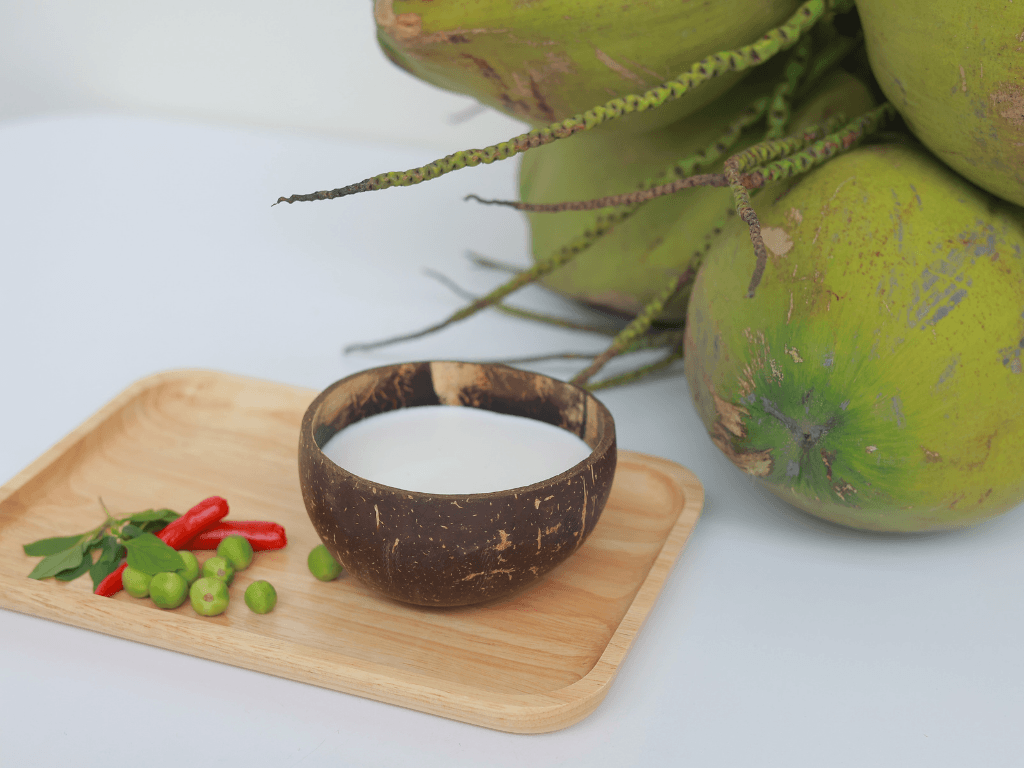
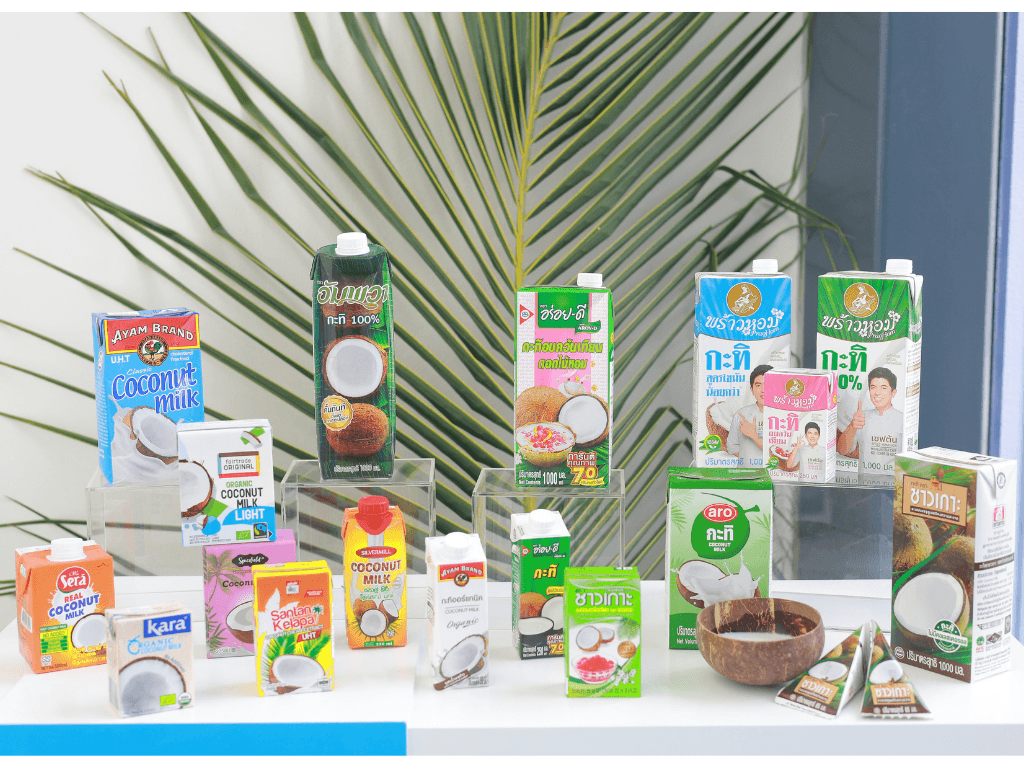
Meanwhile, coconut cream is riding another global wave as Asian cuisine and specialty coffee continue gaining popularity worldwide. Coconut-based beverages have become signature products at several fast-growing international coffee chains, while demand for coconut cream continues to expand in China, North America and Europe.
Waste becomes opportunity
Perhaps the biggest shift has been in how the industry views coconut water itself.
Traditionally, processors focused on extracting coconut meat to produce coconut milk and other food ingredients. The water was often discarded.
Today, coconut water has become one of the industry's most valuable products.
Dholakia said most modern processors now recover coconut water instead of treating it as waste, fundamentally changing the economics of coconut processing. Remote farming areas still experience losses because they remain disconnected from processing facilities, but expanding processing capacity continues to reduce wastage while creating additional income opportunities for farmers.
Mindanao emerges as processing hub
The Philippines, once considered a late entrant to modern coconut processing, is rapidly catching up.
Dholakia said Thailand initially enjoyed a first-mover advantage because of its highly developed food processing industry, while Vietnam and Indonesia later expanded their own capabilities.
The Philippines, however, has accelerated significantly over the past five years, particularly in coconut water processing.
According to Dholakia, Tetra Pak alone has been actively supporting rapid expansion of processing plants in Mindanao over the past two years and more such facilities are in the works over the next couple of years.
He attributes the country's growing appeal to foreign investors to abundant coconut supply, an open investment environment and a skilled, English-speaking workforce.
The next frontier
While coconut water has emerged as a Philippine success story, Dholakia believes the country's next opportunity lies in coconut cream.
Thailand, Indonesia and Vietnam remain ahead in exporting aseptically packaged coconut cream, while much of the Philippine output still serves the domestic market.
As international demand for Asian cuisine and plant-based ingredients continues growing, Tetra Pak sees significant room for the Philippines to build a second export engine alongside coconut water.
The challenge, Dholakia said, is ensuring coconut production keeps pace.
As processing capacity expands, supply could eventually become the industry's biggest constraint. He pointed to the Philippine government's Philippine Coconut Authority’s coconut planting initiatives as an important step because coconut trees require years to mature before producing commercially viable harvests.
For Tetra Pak, that makes today's investments about far more than packaging.
They are about building an ecosystem where more of every coconut—and more of the value it creates—remains in the country that grows it.