Airworks Aviation Academy president Vincent Charles Ong said a report by US aircraft manufacturer Boeing projected that the global aviation industry would need about 2.7 million new professionals over the next two decades.
These include 660,000 pilots, 710,000 technicians and one million cabin crew.
In Southeast Asia alone, about 243,000 new aviation professionals will be needed during that period, Ong said in his welcome remarks at the 4th Cebu Aviation Summit on Sept. 25.
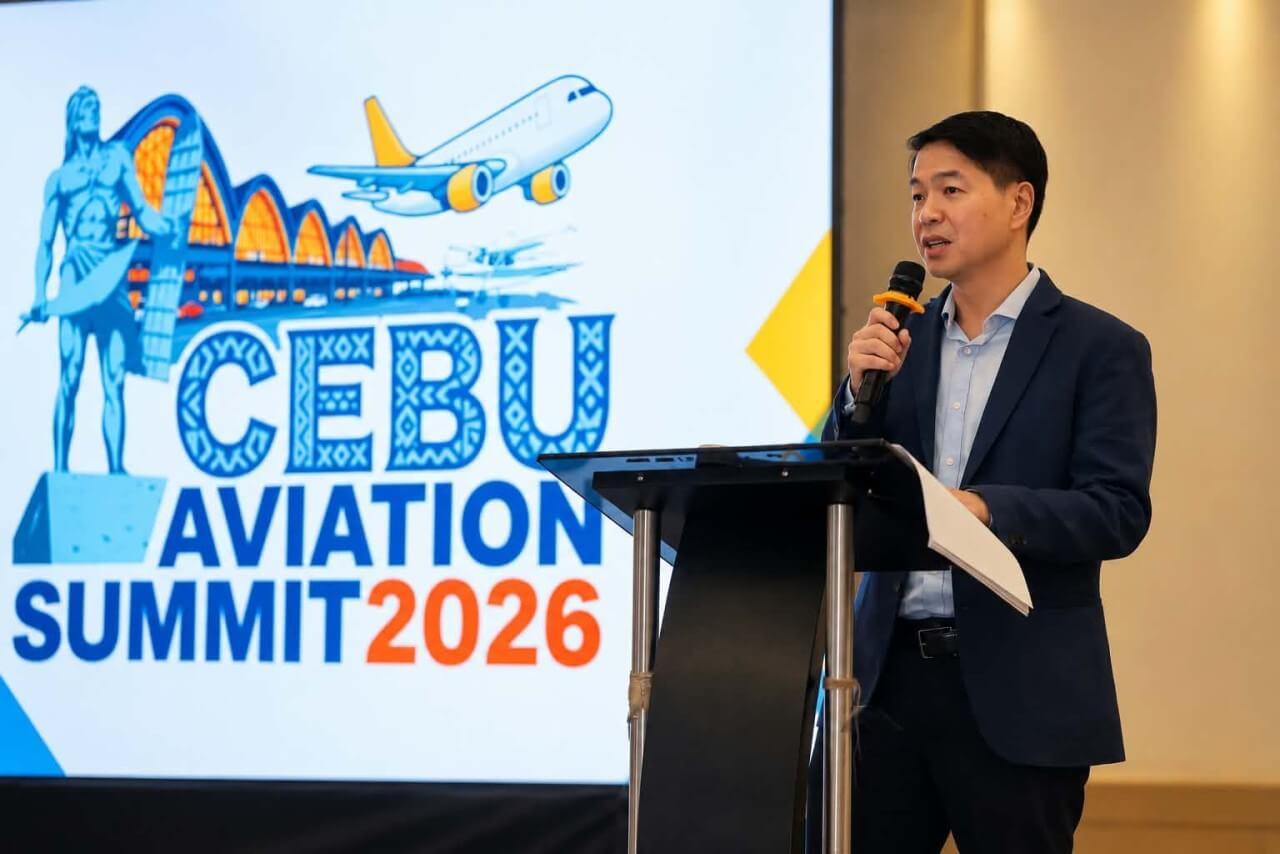
“So when you're sitting up there today wondering if aviation has a good future in it, just look at the numbers. The world will need you. Asia will need you. Southeast Asia will need you. In fact, the aviation industry is really creating opportunities that we have never seen before,” he told an audience composed mostly of aviation students and professionals.
Training hub
The Cebu Aviation Summit, which brought together professionals from the aviation industry, was hosted by Airworks Aviation Academy, a Cebu-based flight school that has trained aspiring pilots for more than three decades.
With students and trainees from more than 30 countries, Airworks has expanded beyond the local market.
It runs the Cebu Pacific Cadet Pilot Program and has partnered with Victoria Aviation Academy, Vietjet Airline’s training arm, to establish a cadet pilot program in the Philippines.
These partnerships link flight training in Cebu to airline recruitment and training across the region.
Ong said Cebu is becoming a regional aviation training hub, with Airworks no longer training only Filipinos for Philippine airlines but also preparing the next generation of aviation professionals for Southeast Asia.
He credited cooperation among the aviation industry, the Cebu provincial government, the Mactan-Cebu International Airport Authority and the Civil Aviation Authority of the Philippines for helping develop the province’s aviation training sector.
Not just pilots
Ong told students that aviation offers careers beyond the cockpit, including aircraft maintenance, cabin service, air traffic control, airport operations and ground services.
He acknowledged that geopolitical tensions and high fuel prices have created uncertainty for the industry but said long-term demand for aviation workers remains strong.
He cited airlines in the Gulf that continue to recruit actively in the Philippines despite disruptions caused by conflict in the Middle East. Ong said Filipino workers remain attractive to international airlines because of their skills, discipline, English proficiency and service culture.
More international flights and connections to Cebu could also create jobs for technicians, cabin crew, airport staff and other aviation professionals, he added.
Build skills
Growing demand for aviation professionals is creating opportunities for Filipino aircraft mechanics, but an aviation training executive told students at the summit that a license alone would not be enough to secure a job.
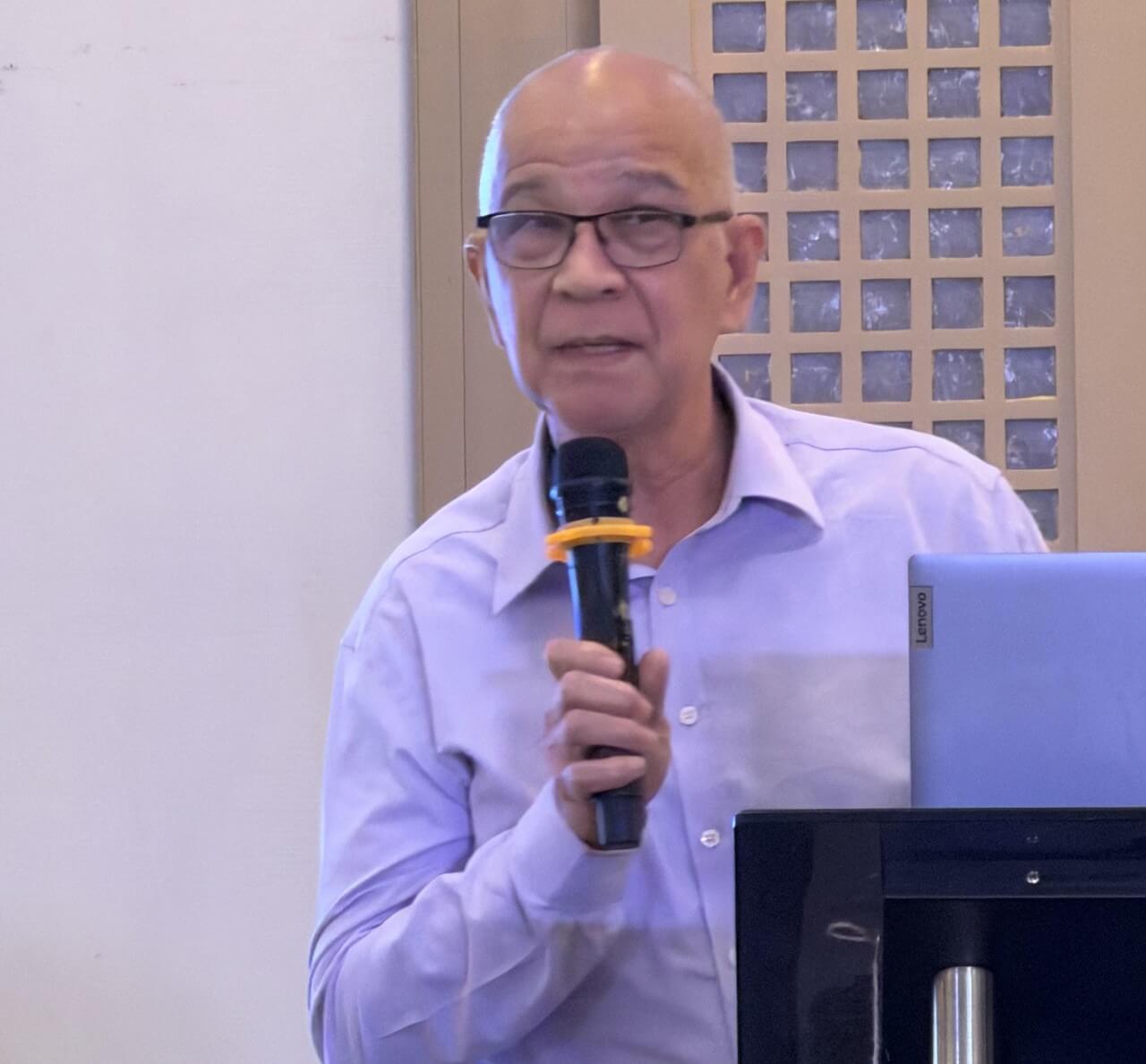
Engr. Ramon Von Possel Jr., head of training at Aviation Plus Philippines, urged aspiring mechanics to build practical skills and gain experience before job openings arise.
“The market is there. The need is there. But of course, they will not just be picking you up,” he said. Employers, he added, will select applicants who can demonstrate that they can do the work.
Possel's remarks gave students a closer look at aircraft maintenance, one of the career paths beyond the cockpit highlighted earlier by Ong.
He described jobs in line maintenance, where technicians inspect and prepare aircraft between flights; base maintenance, which involves more extensive scheduled checks; and specialized work on aircraft components and electronic systems.
Possel said modern aircraft can transmit information about faults while still in flight, giving maintenance teams time to prepare before the plane lands. Such technology makes diagnostic skills increasingly valuable, he added.
Assessments
For students pursuing careers in aircraft maintenance, Possel advised completing the required examinations and practical assessments before gaining on-the-job experience and training on specific aircraft types.
He stressed that classroom knowledge must be matched by the ability to perform basic tasks correctly, including using tools properly and following maintenance procedures.
Safety, accurate record-keeping and clear communication are also essential in every maintenance role, Possel said. Technicians must be able to trace the work performed, explain defects clearly and speak up when they identify a safety concern—even when it involves a more senior colleague.
He also urged students to use artificial intelligence and other new tools without allowing them to replace their own judgment and technical understanding.
“Don’t wait for the opportunity to be there before you start preparing,” he said. —Ed: Corrie S. Narisma

Contributor