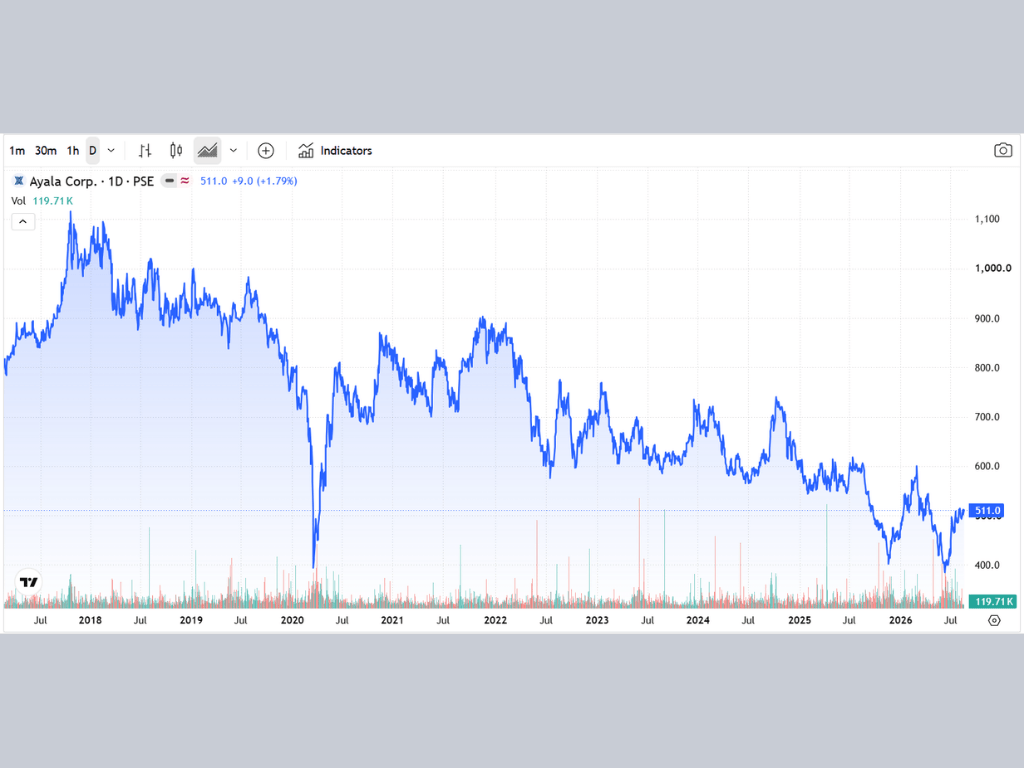
Ayala Corp. is confronting questions that go beyond a weak share price. Can the country’s oldest conglomerate revive growth in mature businesses such as banking, property and telecommunications while scaling newer bets in healthcare, logistics, mobility and digital services? Can it sharpen execution without losing the long-term mindset that has defined the group for nearly two centuries? And can it manage a generational leadership transition as investors demand clearer returns, stronger cash flows and faster results? For Ayala, the challenge is to prove that today’s restructuring is not retrenchment, but preparation—and that patience will ultimately be rewarded by renewed growth.
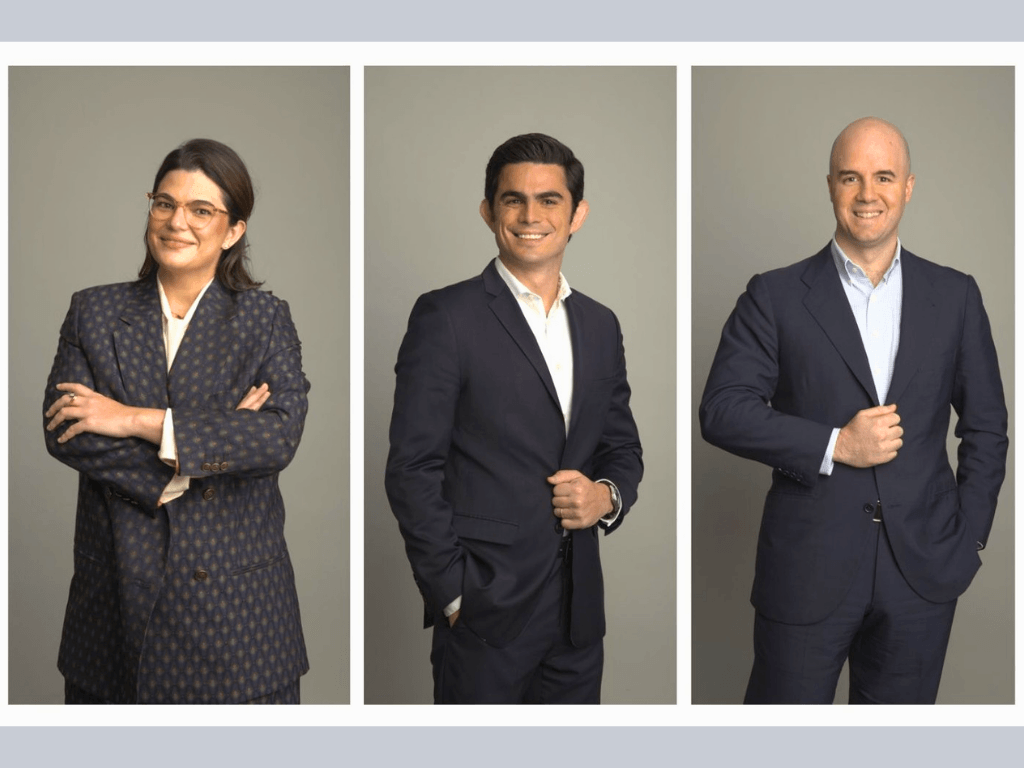
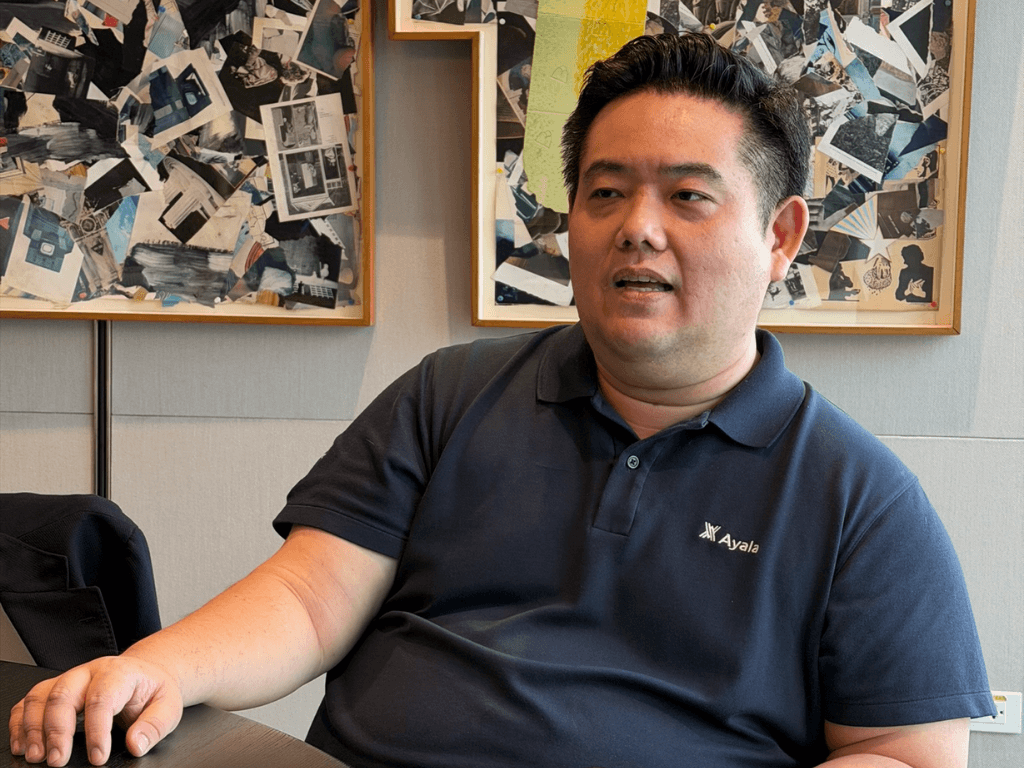
InsiderPH senior reporter Daxim L. Lucas recently interviewed ranking Ayala executives Mark Uy and Paolo Borromeo about the challenges facing the group and where its leaders are taking the storied business house.
That is a difficult pitch to make to a market increasingly focused on dividends, cash flow and near-term catalysts.
But Ayala executives say the conglomerate is using a period of slower economic momentum to rebuild foundations, sharpen its portfolio and prepare for a new generation of leadership.
“Be patient,” corporate strategy and business development group head Mark Uy said when asked what message Ayala wanted to send investors.
“Rest assured, we’re as impatient as they are,” he told InsiderPH during a recent interview on the top floor headquarters of the country’s oldest business house, with an expansive view of the cities of Makati and Taguig in the background.
Why it matters
Ayala is trying to pull off several transitions at once.
Its traditional pillars—Ayala Land, Bank of the Philippine Islands and Globe Telecom—remain central to the group, but are being pushed to find new growth curves. Newer businesses in healthcare, logistics, mobility and retail are moving from platform-building to execution.
At the same time, the group is preparing for the gradual leadership handoff to the next generation of the Zobel family without abandoning the stewardship model that has defined the conglomerate for nearly two centuries.
Uy said Ayala’s family shareholders view themselves less as owners than as stewards whose responsibility is to leave the institution stronger for those who come after them.
He likened the group’s long-term mindset not just to a marathon, but to a relay.
The big picture
Ayala’s reset started with a basic question: What should the group look like when it turns 200 in 2034?
The answer, after months of internal debate, was not simply to become the biggest conglomerate or the most profitable. Uy said the group settled on three broad principles: survive for the long term, remain relevant and define winning in a way that creates value beyond the bottom line.
That philosophy explains why Ayala can look conservative from the outside even as it takes bets in electric vehicles, healthcare, logistics, data infrastructure and other emerging sectors.
This, Uy explained, marks the difference between risks that can hurt an investment and risks that can threaten the institution itself. Ayala is willing to take the former, but not the latter.
“We will never make a bet that will kill us,” he said.
Between the lines
The transformation is as much about focus as expansion.
Uy — who formerly served as the youngest country manager of Credit Suisse in the Philippines — said investors may see fewer initiatives across the group, but more concentration of capital, management attention and talent on areas where Ayala believes it can build scale.
The conglomerate is also leaning harder on a formula that has worked before: pair Ayala’s local market knowledge and business-building capability with global partners that bring sector expertise.
That model helped Globe with Singtel and GCash with Ant Financial. Ayala is applying the same logic to logistics, healthcare and mobility, including its partnership with Chinese EV manufacturer BYD.
Uy called partnerships one of Ayala’s “superpowers.”
The operating model is changing as well. Businesses built by entrepreneurial executives are increasingly being handed to specialist operators who can scale them.
The leadership question
The same relay logic applies at the top.
The conglomerate has not laid out a timetable or identified specific future family roles, but the direction is clear: the next generation of Zobels is expected to inherit an institution that is more focused, more professionally managed and less dependent on any single generation’s style of leadership.
The group’s strategy head stressed that Ayala’s challenge is not simply finding another GCash-sized winner. Instead, it is building an organization capable of repeatedly producing new growth engines while preserving the balance sheet and institutional culture.
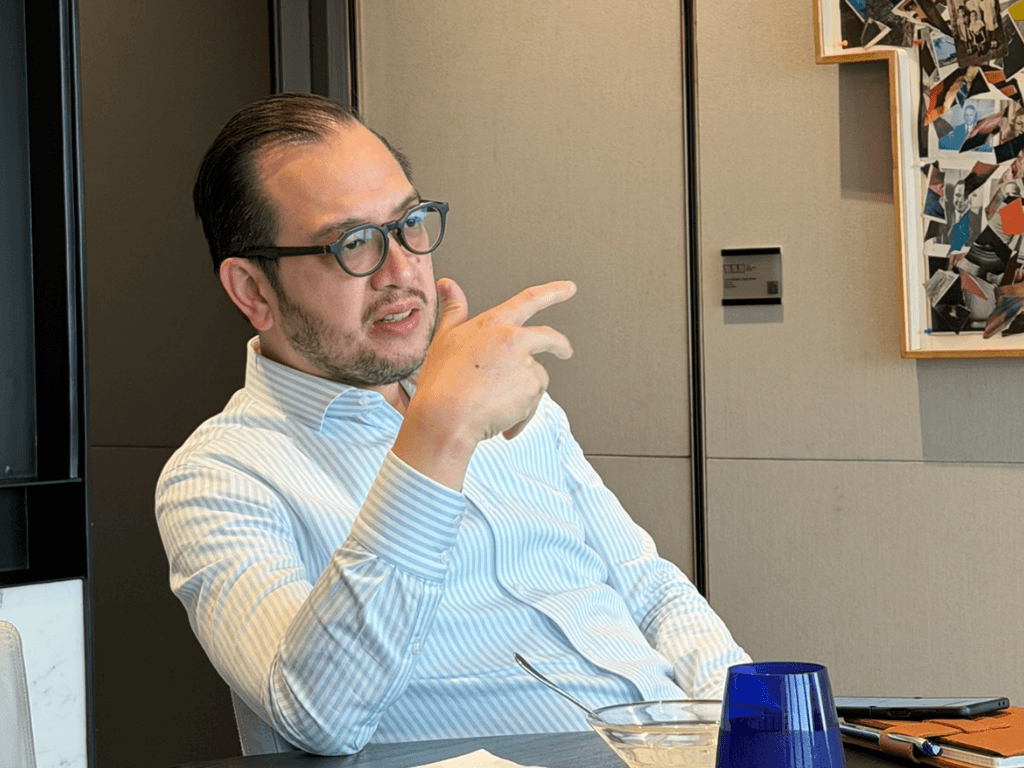
Chief social infrastructure officer Paolo Borromeo said the group’s ongoing change “is not an overnight transition,” arguing that Ayala’s long view is precisely why it has lasted more than 190 years.
What they’re saying
Management accepts that investors have reasons to be impatient.
The market value of the holding company has lagged the sum of its parts, and Uy acknowledged that the group’s historically restrained communications have complicated the problem.
“Ultimately, we should be measured by results,” he said. “We just need to deliver. No excuses.”
He said Ayala wants to shift the organization from measuring outputs to measuring outcomes, putting more pressure on businesses to show that capital and management attention are producing returns.
The market backdrop has also changed. Uy said investors who once rewarded aggressive growth are now asking for yield and cash flow, forcing Ayala to recalibrate capital allocation around a different set of expectations.
What to watch
Ayala is betting that doing the hard internal work now will give it room to “play offense” when economic conditions improve.
The group sees further upside in its mature businesses, from data and AI-related opportunities at Globe to broader financial inclusion at BPI and new formats at Ayala Land. It also expects healthcare and logistics to reach inflection points, while mobility, retail and digital infrastructure could become larger contributors over time.
Both officials concede that none of those bets will resolve investor concerns overnight, and they say the group’s leaders realize that.
“If you take a two-year lens, you can say yes, you’re missing out,” Uy said. “If you take a 100-year lens, it’s okay.”
For a market trained to mark portfolios every quarter, that may be a difficult horizon to accept.
For these Ayala executives, however, patience is not being presented as an excuse for underperformance. They are selling it as the price of rebuilding the conglomerate for its next handoff and, they argue, for its next run at growth. — Edited by Daxim L. Lucas