
Insider Spotlight
Philip Morris International (PMI), through Philippine affiliate PMFTC Inc., highlighted the distinction between nicotine addiction and the health risks associated with burning tobacco during its first Technovation summit in Manila on Nov. 10.
PMFTC president Zhenya Ivanov emphasized the Philippines’ strategic role in Philip Morris International’s transition toward a smoke-free future, highlighting the importance of bringing science-based discussions on tobacco harm reduction and product innovation to the local market.
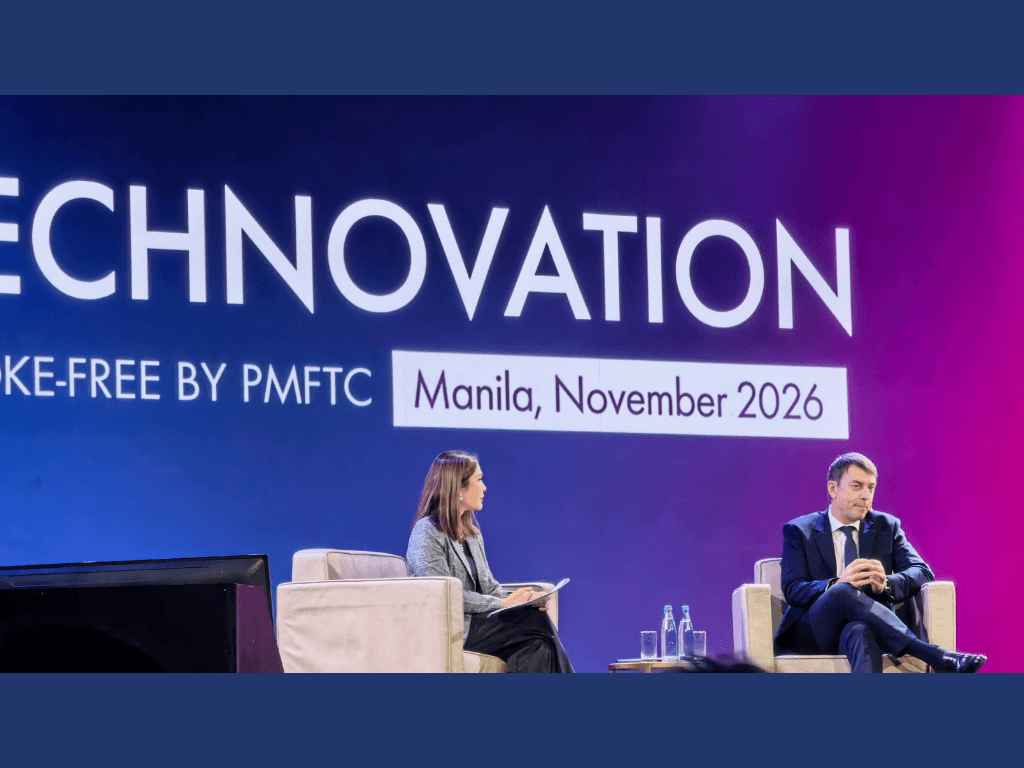
“We have held conversations about science and innovation in different parts of the world. But bringing Technovation to Manila is special to us because the Philippines has an important role to play in our company’s transformation toward a smoke-free future. We want to share not just where we’re headed as a company, but also the science, technology and thinking behind this journey,” Ivanov said during the forum.
Nicotine not the primary cause of diseases
While nicotine is addictive and carries health risks, it is not the primary cause of smoking-related diseases. Instead, the burning of tobacco produces toxic chemicals associated with cancer, cardiovascular disease, and respiratory illnesses.
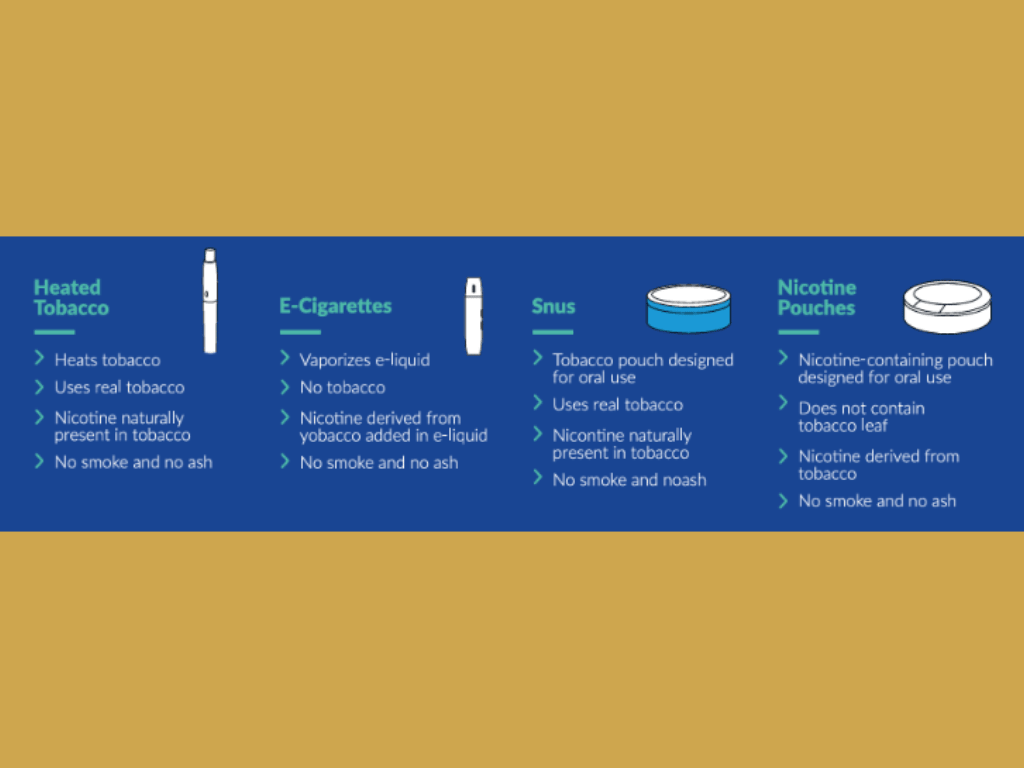
PMI emphasized that understanding this distinction is important when evaluating alternatives such as heated tobacco products, electronic cigarettes, and nicotine pouches.
These products avoid tobacco combustion, potentially reducing exposure to harmful substances. However, lower chemical exposure does not automatically establish a proportional reduction in disease risk, and long-term health effects vary by product.
Smoke-free alternatives
For adult smokers who do not quit, completely switching from cigarettes to scientifically evaluated noncombustible products may reduce exposure to certain toxic chemicals.
PMFTC showcased its IQOS ILUMA i heated tobacco system and ZYN nicotine pouches as part of its smoke-free portfolio.
Nevertheless, quitting tobacco and nicotine entirely remains the safest option. Smoke-free products are not intended for minors or people who do not already use nicotine.
PMI president for East and Southeast Asia, Pacific and Global Travel Retail Vassilis Gkatzelis said regulatory policies should recognize differences in risk across nicotine products.
“What we have seen is that in countries where regulatory frameworks recognize that not all nicotine products are the same, we see a much faster transition to smoke-free alternatives,” Gkatzelis said during a fireside chat of Technovation Manila.
“When you have the combination of access, information, right regulation, and proper enforcement, we see that cigarette smoking declines faster,” he added.

$16-B investment for research and development
PMI has invested more than $16 billion in smoke-free research and development since 2008.
As of the third quarter of 2026, smoke-free products accounted for over 40 percent of its net revenues, with more than 43 million adult users worldwide.
The shift underscores PMI’s strategy to reduce its dependence on conventional cigarettes while expanding its noncombustible portfolio.
The challenge for regulators is balancing access to potentially lower-risk alternatives for existing adult smokers with strict enforcement against youth access, nicotine initiation, and misleading health claims. —Vanessa Hidalgo | Ed: Corrie S. Narisma