Insider Spotlight
Epson has introduced its first collaborative robot, the AX6, in Southeast Asia, targeting pharmaceutical, logistics, automotive and electronics manufacturers seeking automation solutions for space-constrained and controlled environments.
Southeast Asia’s industrial automation and process control market is projected to grow from $10.06 billion in 2025 to $17.54 billion by 2033, according to SkyQuest Technology Consulting.
The projected expansion reflects the market opportunity for automation technologies designed to integrate into existing facilities while addressing operational efficiency and workforce requirements.
Integration into automation systems
Unlike conventional industrial robots that may require dedicated operating areas, collaborative robots are designed to work alongside human operators under appropriate safety conditions.
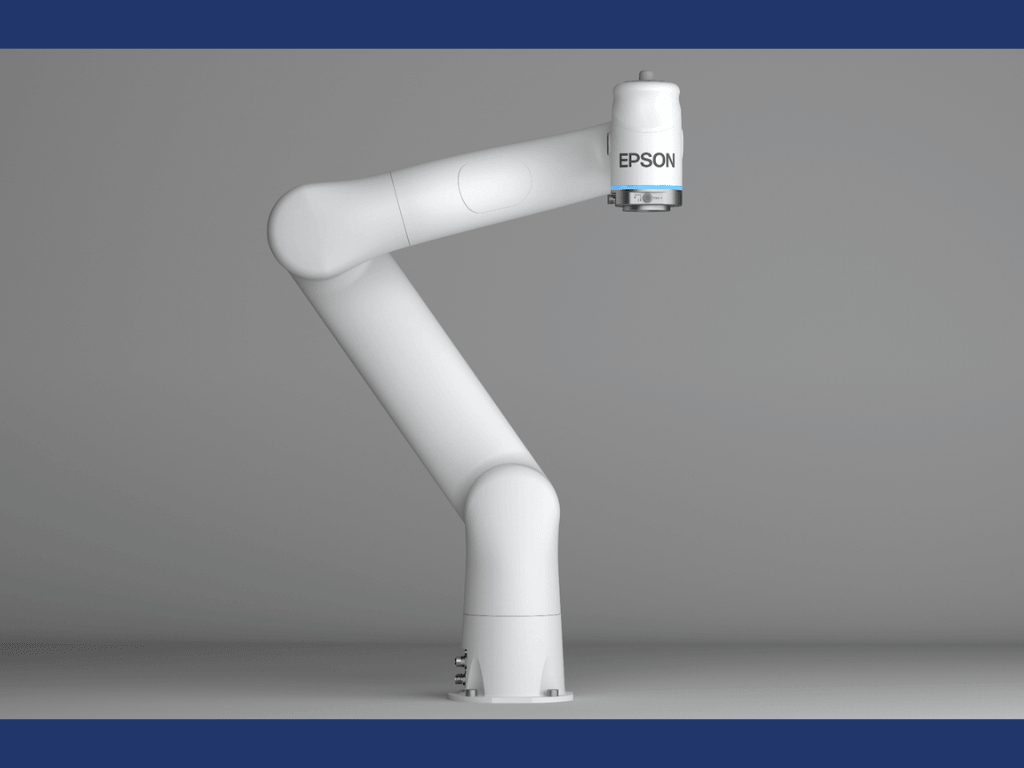
Weighing 17 kilograms, the AX6 features a compact carbon-body arm designed for deployment in laboratories, cleanrooms and specialized production facilities where available space is limited.
The robot supports both AC and DC power supplies and is compatible with autonomous mobile robots and automated guided vehicles, allowing integration into different automation systems.
Hand-guided functionality
Epson has incorporated hand-guided teaching functionality that allows operators to configure movements manually, alongside block-based programming for users with limited robotics experience.
For more advanced applications, the AX6 supports Python and the Robot Operating System, providing additional flexibility for developers and manufacturers.
Safety functions
The robot also carries an ISO Class 5 cleanroom classification and IP54 dust and splash protection. Its screwless exterior and internal wiring are designed to minimize contamination risks in hygiene-sensitive environments.
Safety functions include power and force limiting, safe operating stop, safe limited speed and safe limited position.
Epson Southeast Asia regional director for robot Seiichi Ito said organizations are increasingly prioritizing practical deployment and ease of use when adopting automation.
“We are seeing a clear shift in how organizations approach automation, and it is no longer just about capability, but about ease of adoption and real-world usability,” Ito said in a press statement. —Vanessa Hidalgo | Ed: Corrie S. Narisma