Insider Spotlight
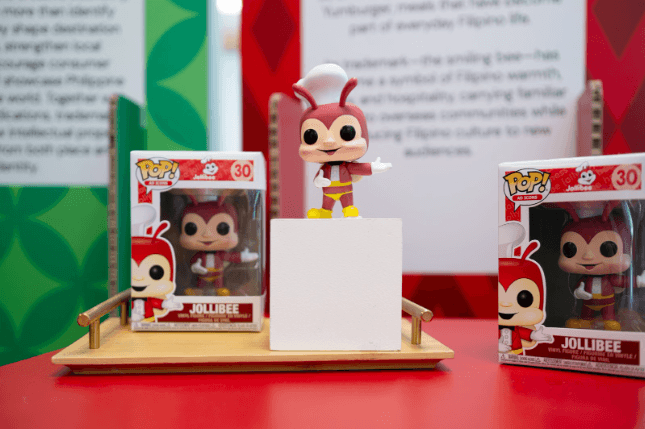
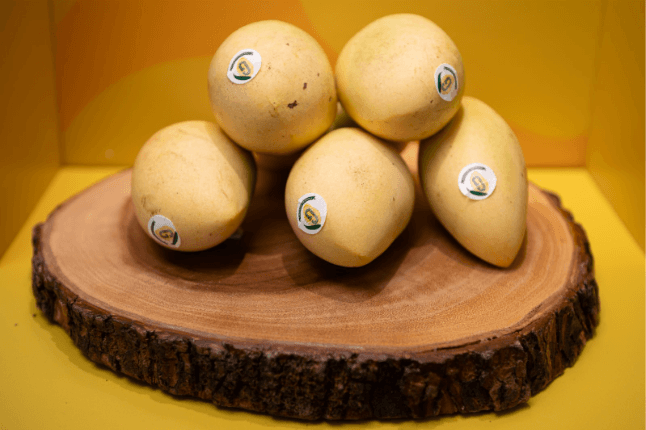
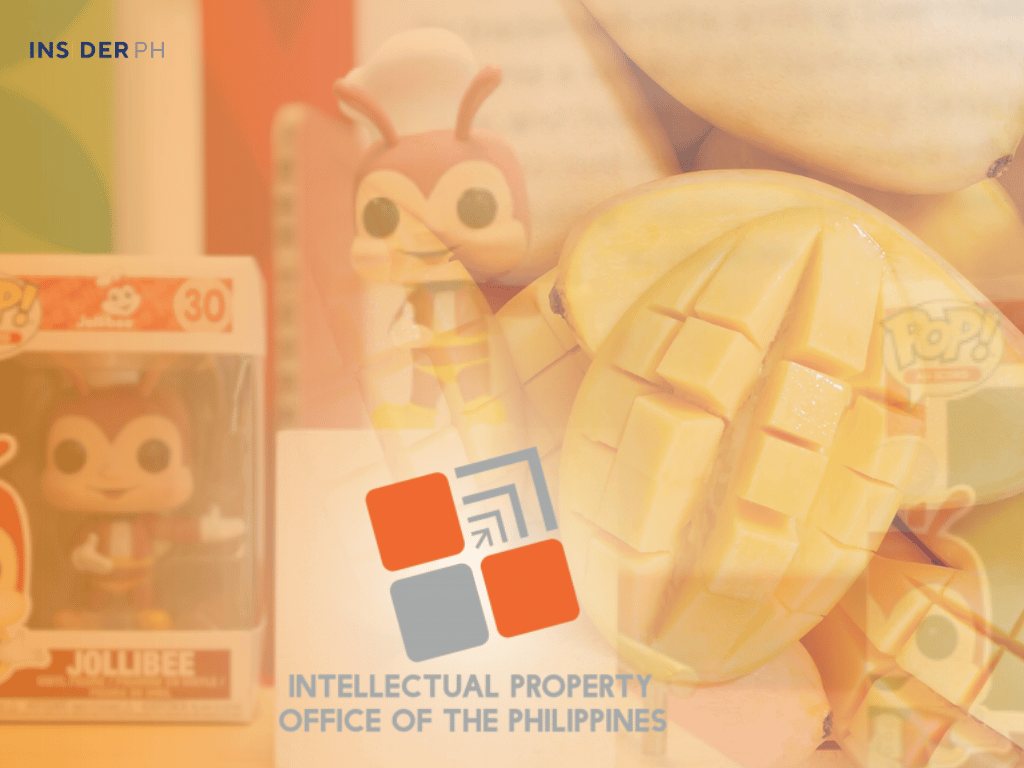
At the World Intellectual Property Organization (WIPO) headquarters in Geneva, the country is showcasing everything from Guimaras mangoes and Aklan Piña to Jollibee and Chickenjoy through the IP in Sustainable Tourism exhibition, which runs from July 7 to 15.
The big picture
The exhibition forms part of the Philippines' chairmanship of this year's WIPO General Assembly and was mounted by the Intellectual Property Office of the Philippines (IPOPHL), in partnership with the Department of Tourism, the Philippine Permanent Mission to the United Nations and Other International Organizations, and the Design Center of the Philippines, a company release said.
Beyond promoting tourism, the exhibit demonstrates how trademarks, geographical indications, patents, industrial designs and copyrights help preserve cultural heritage while creating economic opportunities for local communities.
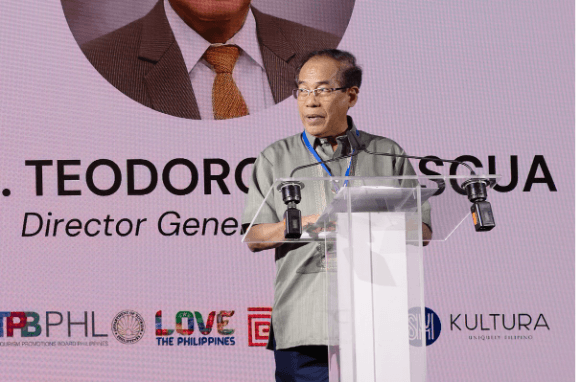
"Through this exhibition, the Philippines demonstrates that sustainable tourism is also about valuing the knowledge, creativity, traditions and innovations that make its destinations and stories unique. Every destination has a story, and intellectual property helps ensure that these stories remain authentic, protected and economically rewarding for the communities that keep them alive,” Intellectual Property Office of the Philippines director general Teodoro C. Pascua said.
Why it matters
Among the featured well-known brands are Jollibee and Chickenjoy alongside SM Kultura, illustrating how trusted Filipino brands have become part of the country's tourism experience. Collective marks such as Bikol Pili and Camiguin Lanzones also highlight how community branding strengthens local industries and builds market recognition.
The exhibition also showcases the Philippines' registered geographical indications, including Guimaras Mangoes, Aklan Piña, Asin Tibuok and T'nalak Tau Sebu, underscoring how products tied to specific places can preserve heritage while supporting regional economies.
Green innovation also takes the spotlight through the University of the Philippines-developed Fish-I reef monitoring technology, alongside sustainable materials such as Pinyapel and bamboo-based textiles. Filipino animation, audiovisual works and digital creative content further demonstrate how copyright supports destination branding and brings Philippine culture to global audiences.
What's next
Visitors can explore Philippine destinations through interactive digital touchscreens, geographical indication matching games, sensory displays featuring local essential oils and educational materials on the country's evolving IP system.
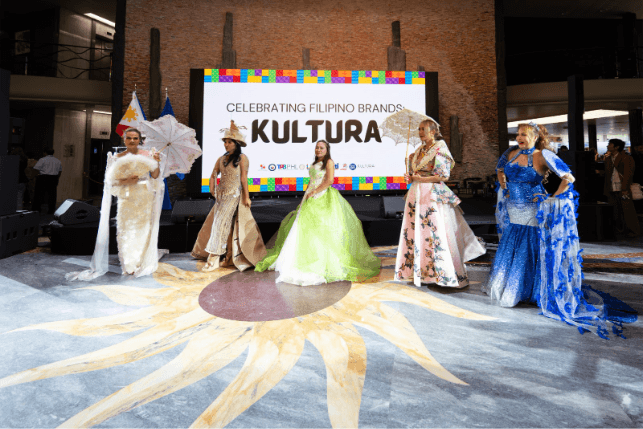
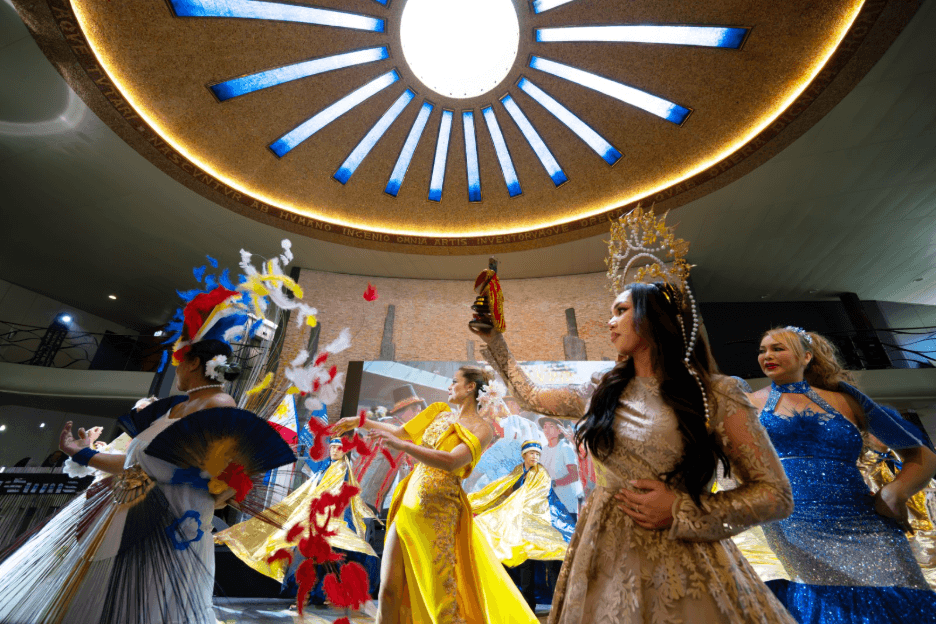
Cultural performances featuring T'boli and Igorot traditions, Tinikling, Sinulog and Filipiniana fashion complete the Philippine showcase for delegates from WIPO's 194 member states. —Princess Daisy C. Ominga | Ed: Corrie S. Narisma