Insider Spotlight
Epson said the trend is prompting print providers to adopt higher-capacity systems that improve operational efficiency while supporting production consistency and sustainability.
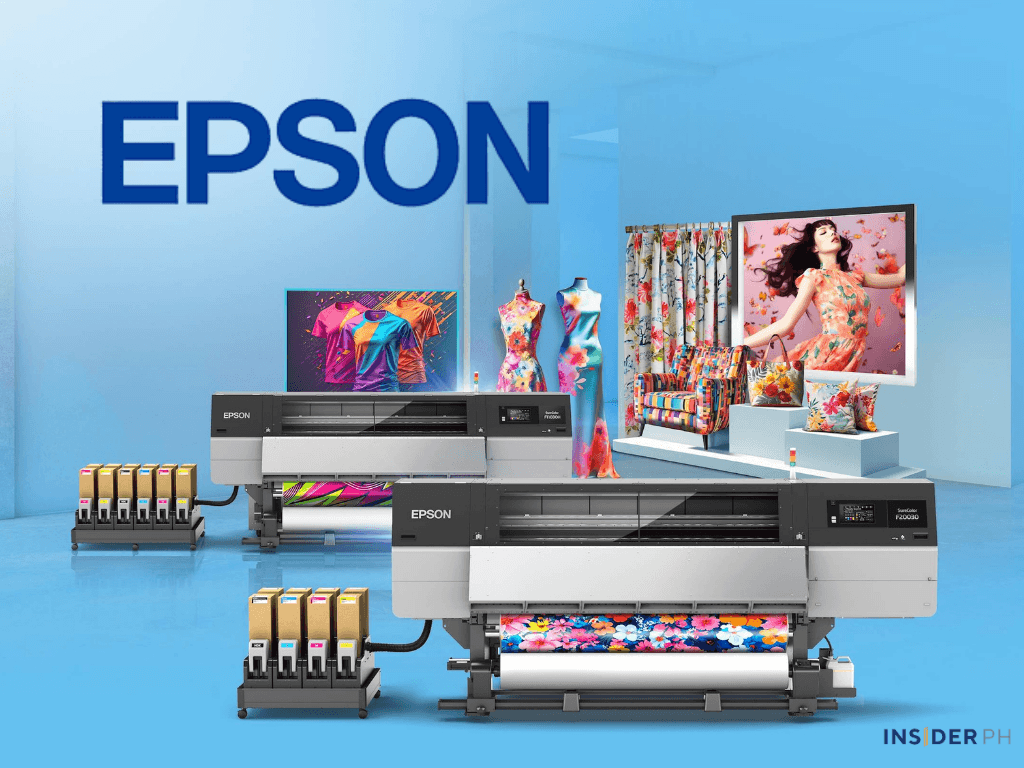
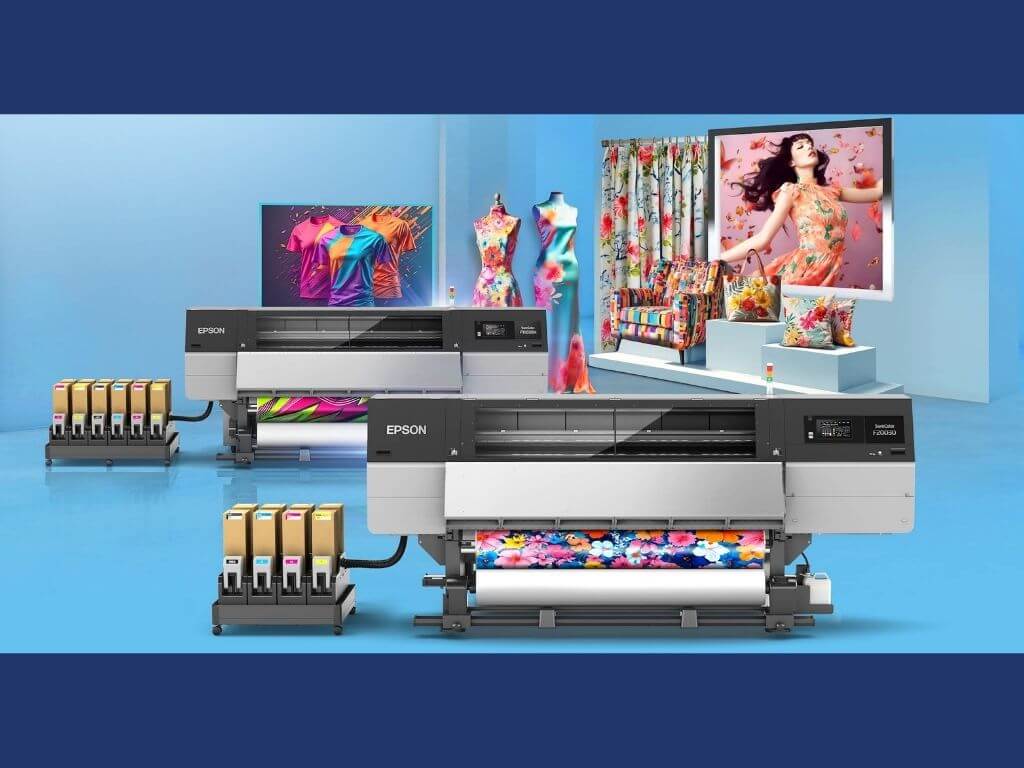
The company is responding by expanding its industrial dye-sublimation portfolio with the SureColor SC-F20030, a 76-inch printer designed for high-production textile environments.
Epson cited its joint report with IDC, Digital Textile Printing Trends in Southeast Asia, which found that digital dye-sublimation can enable print providers to achieve revenue growth up to eight times faster than traditional screen printing while expanding into segments such as sportswear, homewear and footwear.
Why it matters
Digital textile printing is gaining traction as manufacturers seek more flexible production methods that can accommodate customized orders and shorter lead times without sacrificing output quality.
By the numbers
The SC-F20030 features eight PrecisionCore MicroTFP printheads arranged horizontally, doubling the printhead configuration of its predecessor, the SC-F11030.
Epson said the printer can deliver production speeds of up to 306 square meters per hour at 600 x 600 dpi. It also uses 10-liter ink packs with hot-swap capability to minimize downtime during long production runs.
Zoom in
The printer includes a built-in drying system with double-sided heating, an integrated dust-reduction mechanism and optional jumbo roll and jumbo reel units supporting media loads of up to 300 kilograms.
Users can also replace selected components, including the printhead and anti-drying cap, through self-repair functions supported by printer diagnostics.
What they're saying
“As Southeast Asia's textile printing industry evolves, flexibility, responsiveness and production stability are becoming critical to long-term success,” Epson Philippines head of marketing Noelle Gonzalez said in a press statement.
“With the SC-F20030, we are expanding Epson's industrial dye-sublimation portfolio to better support businesses managing higher production demands, tighter turnaround expectations and more complex print workflows. It reflects our continued commitment to helping customers improve operational efficiency while advancing more sustainable printing practices,” she added. —Vanessa Hidalgo| Ed: Corrie S. Narisma