Insider Spotlight
Fashion is under pressure to become faster, more flexible, and more responsible. Digital textile printing addresses all three by allowing designers to move directly from concept to fabric with minimal waste and greater creative control.
How it works
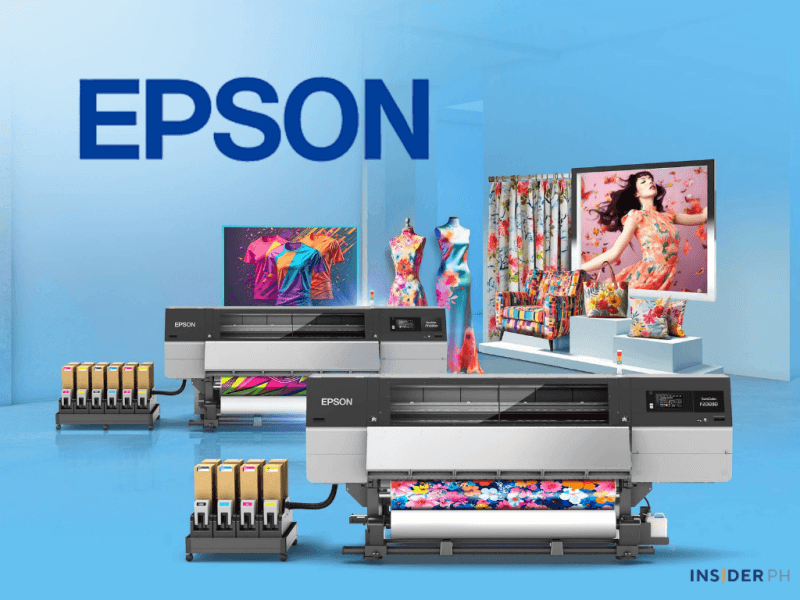
Unlike traditional screen printing, digital textile printing applies designs directly onto fabric using inkjet technology. This eliminates the need for screens, reduces setup time, and enables short production runs without sacrificing detail or color accuracy.

Zoom in
For designers, fabric has become the primary storytelling medium. High-resolution digital printers allow intricate artwork, photographic elements, and precise color gradients to be embedded directly into textiles.
his shift lets garments be built around prints rather than decorated after construction.
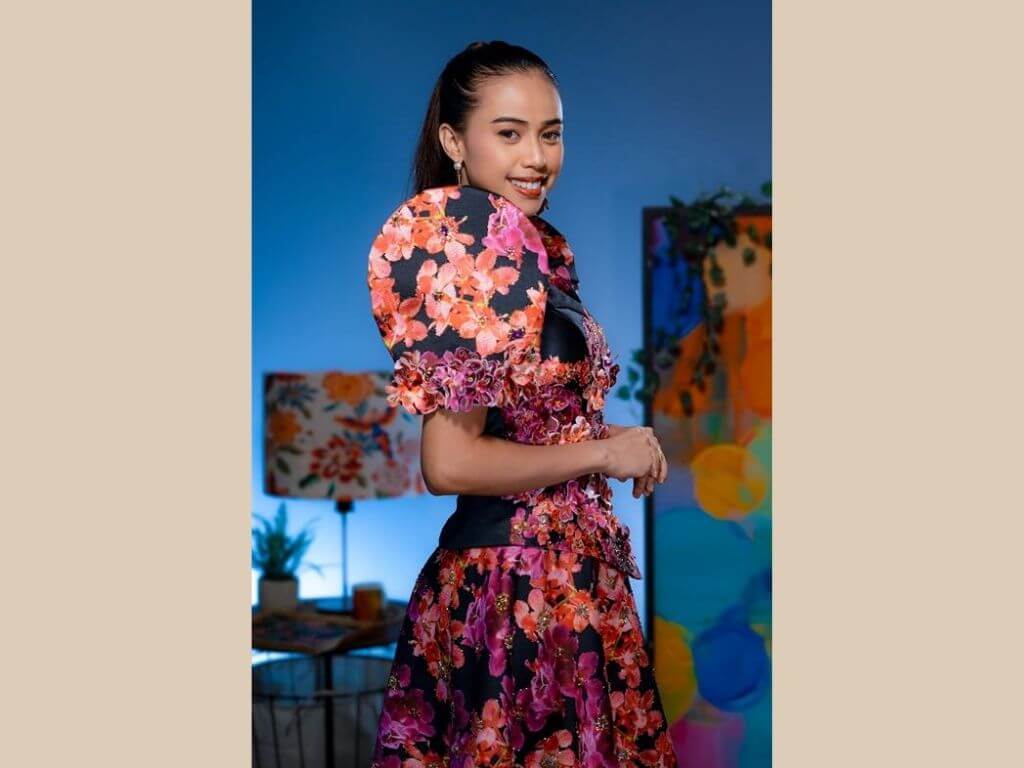
A recent collaboration between Epson Philippines Corp. and Urban Label by Maria & Co highlights this evolution, using digital textile printing to translate Filipino cultural symbols into wearable art. By centering design on digitally printed fabric panels, the collection demonstrates how technology supports both artistic expression and production efficiency.
Sustainability angle
Digital textile printing supports on-demand production, helping brands avoid excess inventory and fabric waste. Water usage is also significantly lower compared to conventional textile printing methods, aligning with the industry’s push toward more responsible practices.
Designers benefit from the ability to test, refine, and reproduce designs without committing to large volumes. This flexibility is especially valuable for emerging labels and independent creators navigating tight margins.
What they’re saying
“Working with Epson completely changed my creative process,” designer Beatriz Nicole Benadera, said in a press statement. “It allowed textile design to become part of each garment and shifted my approach from designing around limitations to designing with confidence.”
From the technology side, Epson Philippines Corp. president Masako Kusama emphasized that precision printing helps designers execute ideas clearly while supporting mindful production, reinforcing the role of technology as an enabler rather than a constraint.
The bigger picture
As consumer demand shifts toward personalization, cultural relevance, and sustainability, digital textile printing is becoming a strategic investment for fashion brands. It shortens lead times, empowers creative risk-taking, and supports localized production models.
What’s next
Expect wider adoption across ready-to-wear, couture, and even mass-market segments as costs continue to fall and capabilities expand. In today’s fashion economy, digital textile printing is no longer optional—it is a competitive advantage shaping the future of how clothes are designed and made. —Vanessa Hidalgo | Ed: Corrie S. Narisma