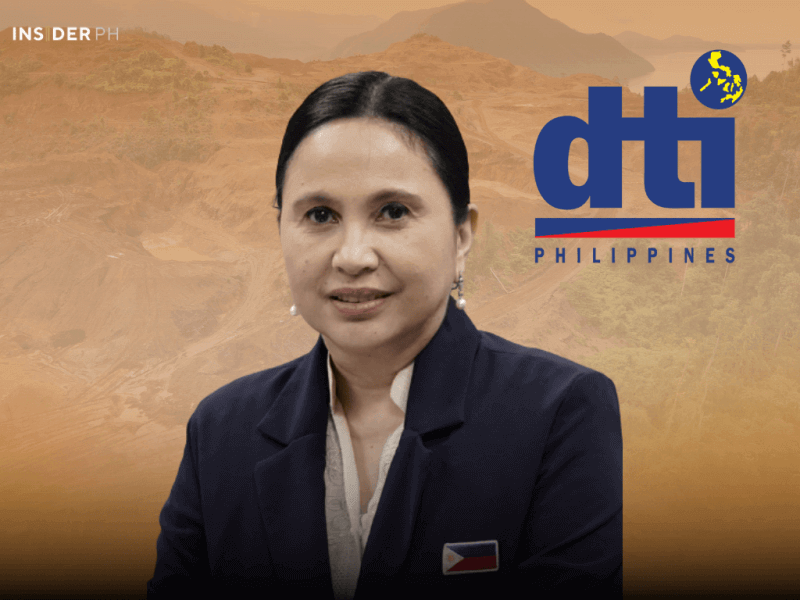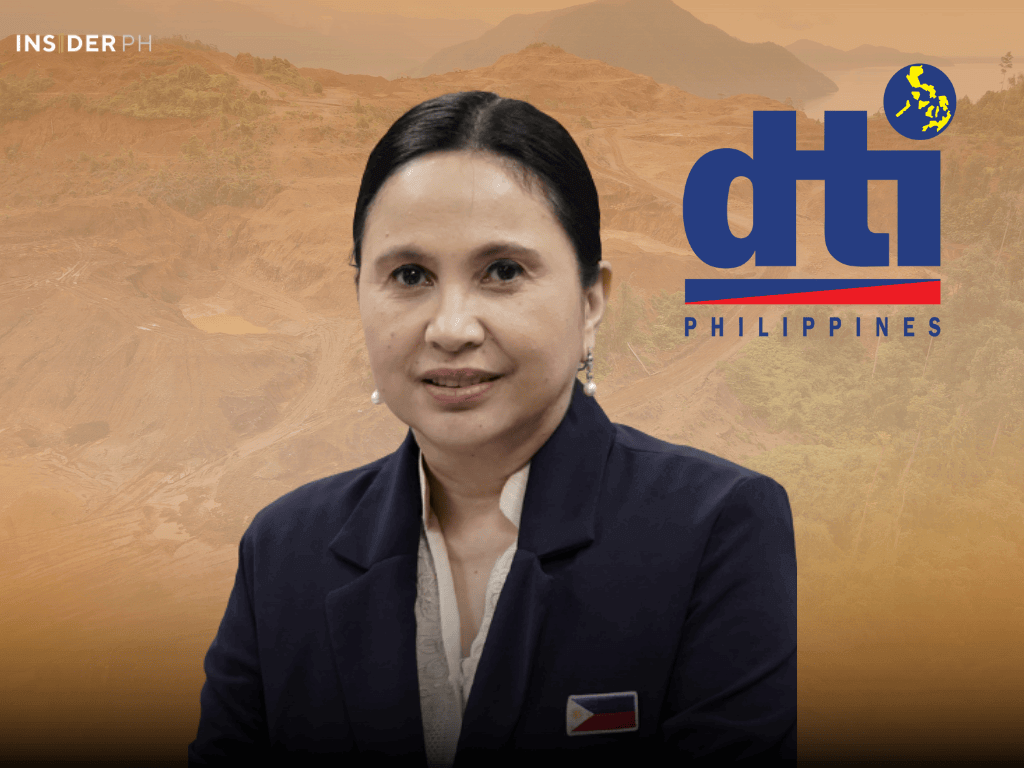
Trade and Industry Secretary Cristina A. Roque said the government is now pushing for a strategic shift that will move the country up the value chain—from a raw ore exporter to a hub for mineral processing and downstream manufacturing.
Strategic shift begins
The initiative follows a new framework adopted by the DTI and the Department of Environment and Natural Resources (DENR) under a “whole-of-government” approach to develop the Philippines into a regional center for critical minerals processing.
Despite being one of the world’s leading producers of nickel, the Philippines has historically relied on exporting raw ores, limiting opportunities for industrial development and increasing dependence on a single export market.
“The framework is a major enabler for the Philippines to shift from simply exporting raw mineral ores to becoming a significant player in value-added processing,” Roque said.
“We are aiming for more than just being a supplier; we are positioning ourselves as a vital link in global supply chains for semiconductors, defense, and clean energy.”
Investment opportunities open
The strategy builds on a partnership forged with the United States during the inaugural Critical Minerals Ministerial Meeting hosted by U.S. Secretary of State Marco Rubio.
The agreement lays the groundwork for attracting investments through the Board of Investments (BOI), particularly in mineral processing, refining, and downstream manufacturing.
Beyond mining, the initiative is expected to draw capital into related industries such as power generation, logistics, and chemical handling, broadening the industrial ecosystem that supports the critical minerals sector.
Tech, finance support
The partnership also opens access to U.S. technical and financial assistance, including grants, feasibility studies, and joint geological mapping. These efforts are expected to modernize the local mining industry and reduce over-reliance on a single buyer by linking Philippine minerals to a broader network of more than 50 allied nations.
Technology transfer and advanced research initiatives under the framework are also projected to create high-skilled jobs and strengthen domestic technical capabilities.
Sustainability emphasized
Environment Secretary Raphael P.M. Lotilla said the initiative reinforces commitments to environmental sustainability and responsible mining. Cooperation will include technical expertise, financing, and innovation across the entire minerals value chain.
By integrating advanced recycling technologies and sustainable mining practices, the Philippines aims to build its reputation as a “trusted and green” global supplier of critical minerals.
“Through this effort, we expect to attract substantial and diverse investments that will develop the local workforce and strengthen our standing in the industries of the future,” Roque added.
The BOI said the push to diversify markets and expand domestic processing capacity is critical for national security and economic resilience, ensuring the Philippines captures greater value from its natural resources while supporting the global transition to clean energy. — Ed: Corrie S. Narisma