For residential customers consuming 200 kWh, the adjustment translates to an increase of about P45 in their total electricity bill for the month.
Transmission costs rise
The main driver of the February rate increase was the higher transmission charge, which rose by P0.1975 per kWh for residential customers.
Meralco, in a statement on Feb. 10 said this was largely due to a significant increase in ancillary service charges from the Reserve Market incurred by the National Grid Corporation of the Philippines (NGCP), as well as higher power delivery service charges.
Also contributing to the upward adjustment, it added, was the P0.0770 per kWh increase in the Universal Charge for Missionary Electrification (UCME).
The Energy Regulatory Commission (ERC) approved a new UCME rate of P0.2763 per kWh, up from P0.1993 per kWh, which took effect beginning the February billing period.
The UCME is collected from all on-grid electricity consumers to subsidize power costs in off-grid and missionary areas.
Other charges, including taxes, also posted a net increase of P0.0554 per kWh, further adding to the overall rate hike.
Generation charge down
The increase was partially tempered by a decline in the generation charge, which went down by P0.1073 per kWh to P7.6398 per kWh, mainly due to lower costs from Independent Power Producers (IPPs).
Charges from IPPs fell by P0.8108 per kWh, driven largely by the reduction in fixed fees of First Gas–Sta. Rita.
This followed the completion of fee collections related to the ERC’s confirmation of the computation method of First Gas Power Corp. under the interim extension of its contract with Meralco.
Lower prices of Malampaya natural gas, following its quarterly repricing, also contributed to the decrease in IPP charges.
Spot market impact
The reduction in IPP charges helped offset increases from other supply sources, including a P1.5682 per kWh hike in Wholesale Electricity Spot Market (WESM) charges and a P0.0483 per kWh increase in charges from Power Supply Agreements (PSAs).
WESM charges rose due to tighter supply conditions in the Luzon grid, as average generating capacity on outage increased by about 973 megawatts during the period.
Meanwhile, PSA charges went up as a result of lower dispatch caused by the planned maintenance shutdown of Excellent Energy Resources Inc. and South Premiere Power Corp.
The maintenance activities were undertaken in preparation for higher electricity demand during the dry season, with affected generating units returning online by mid-January.
During the billing period, IPPs, WESM, and PSAs accounted for 24 percent, 10 perecent, and 66 percent, respectively, of Meralco’s total energy requirements.
Meralco noted that generation and transmission charges are pass-through costs paid directly to power suppliers and the grid operator, while taxes, universal charges, and renewable energy subsidies are remitted to the government. The company’s distribution charge has remained unchanged since a P0.0360 per kWh reduction implemented in August 2022.
Lifeline subsidy update
Separately, Meralco said the ERC has approved a new uniform national lifeline consumption threshold for marginalized and low-income households, including beneficiaries of the Pantawid Pamilyang Pilipino Program (4Ps).
Under the new policy, qualified customers consuming 50 kWh or less will receive a 100-percent discount on their electricity rates.
Meralco will continue to offer additional lifeline discounts beyond the national threshold, granting a 35-percent discount for consumption of 51 to 70 kWh and a 20-percent discount for 71 to 100 kWh.
The ERC also set a uniform national lifeline subsidy rate of P0.01 per kWh, effective in the March billing, while the revised discount structure will take effect in April.
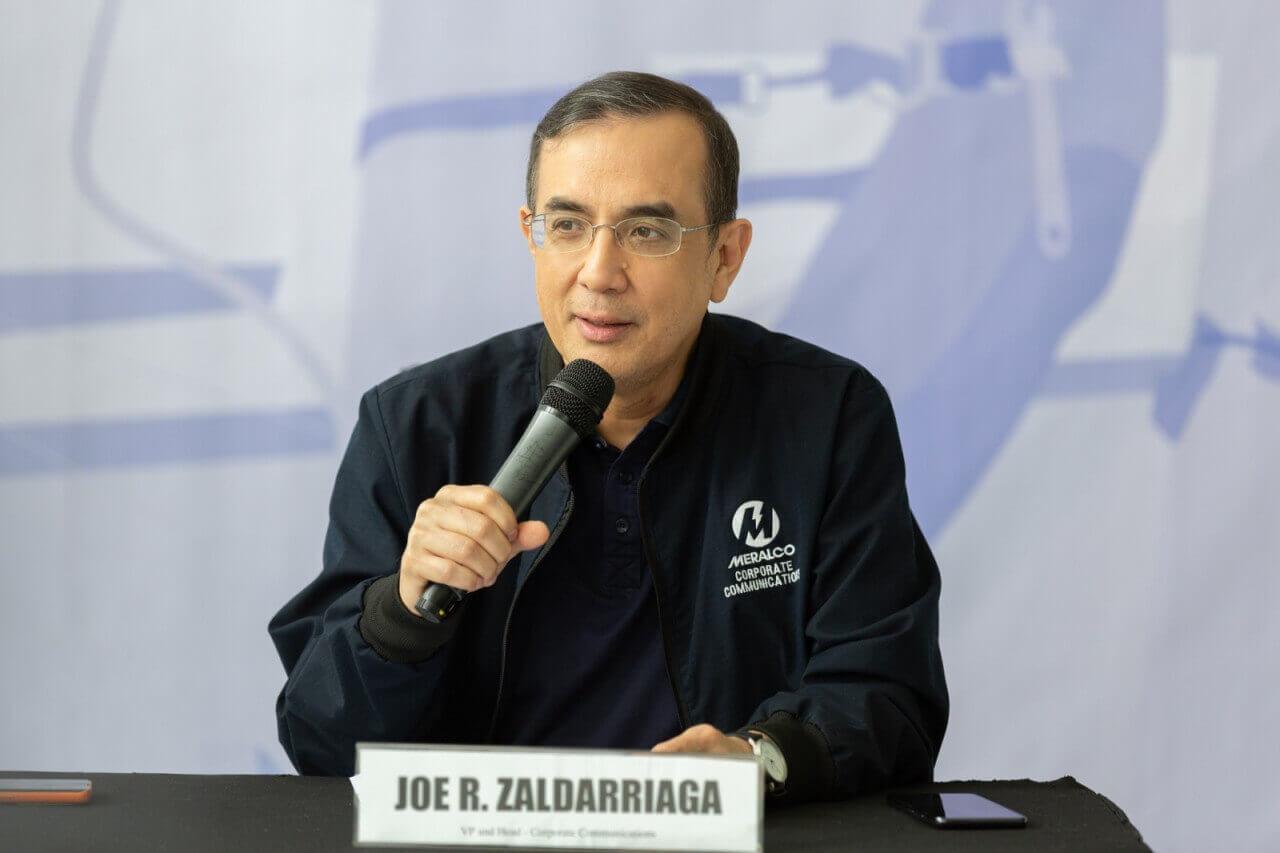
“We welcome this directive from the ERC which we hope will provide additional relief to our qualified customers,” said Meralco VP and head of corporate communications Joe R. Zaldarriaga. —Ed: Corrie S. Narisma