Insider Spotlight
The findings show that companies in the region, including those in the Philippines, are paying closer attention to environmental impact as sustainability becomes a practical factor in supply chain and logistics decisions.
Why it matters
The survey found that eighty percent of Asia Pacific small and medium enterprises consider environmental concerns when trading with Europe. This signals a broader regional shift as sustainability moves from a long-term aspiration to an everyday business consideration.
Southeast Asian markets are leading this trend, with more than fifty-five percent of SMEs in Malaysia and Indonesia prioritizing sustainability in their supply chain choices.
For Philippine exporters, the results reflect growing pressure to align with global sustainability expectations, particularly when serving environmentally conscious overseas buyers.
Consumers are driving change
Consumer demand is accelerating the shift. Eighty-four percent of Asia Pacific consumers are pushing businesses to develop eco-friendly online shopping options. Eighty-one percent prefer companies that appear to operate more sustainably than competitors offering similar products. Nearly four in 10 consumers are willing to pay premium prices for sustainable packaging.
While competitive pricing and product quality remain top priorities, sustainability is increasingly becoming a deciding factor that can influence purchasing decisions across the region.
Between the lines
These findings, disclosed through a company release, highlight how sustainability expectations are aligning across consumers, exporters, and logistics providers.
For businesses, environmental responsibility is no longer just about brand image, but about meeting market demands and staying competitive in cross-border trade.
What they’re saying
“We are seeing sustainability shifting from a compliance checkbox to a key driver of growth, resilience, and differentiation in global commerce,” said Salil Chari, regional president, Asia Pacific, FedEx.
“At FedEx, we are committed to supporting this shift, aiming for carbon-neutral operations globally by 2040. We are innovating our services, optimizing our network, and providing smarter digital tools to help businesses turn sustainability ambitions into action, enabling lower-emission shipping decisions that strengthen competitiveness and can reduce environmental impact.”
"Philippine businesses are turning environmental stewardship into a strategic advantage in international markets," said Maribeth Espinosa, managing director, FedEx Philippines.
"FedEx cross-border trade solutions provide practical tools and trusted expertise that help local exporters meet evolving buyer expectations and compete confidently in a sustainability-driven economy.”
How companies are responding
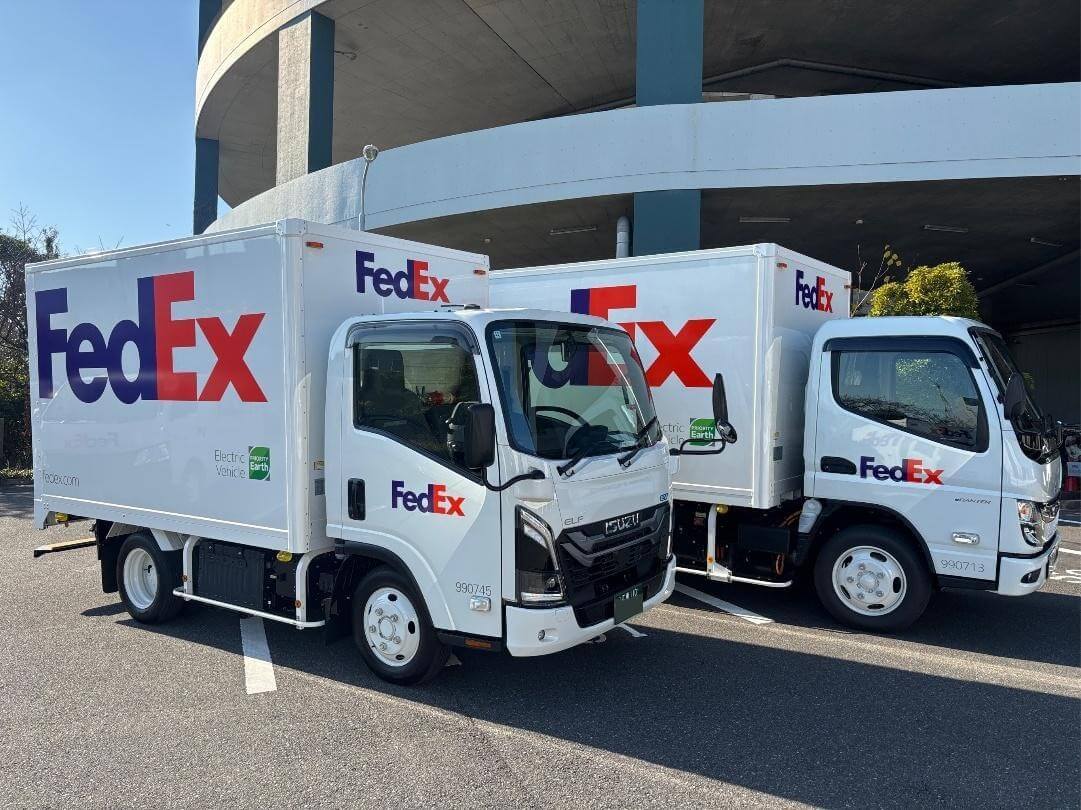
Across APAC, FedEx is investing in route optimization technology, emissions visibility tools, sustainable aviation fuel, and electric delivery vehicles.
These initiatives are designed to reduce environmental impact while improving efficiency, supporting exporters across the region, including those in the Philippines.
The bottom line
Sustainability is fast becoming standard business practice across Asia Pacific. For Philippine companies and their regional peers, greener supply chains are increasingly tied to consumer trust, export readiness, and long-term competitiveness. — Princess Daisy C. Ominga | Ed: Corrie S. Narisma