Motorcycles account for a large share of daily transport activity in the country, operating longer hours and completing far more trips per day than most private vehicles.
Two-wheel advantage
This high utilization makes electric moto-taxis a more immediate opportunity for fuel displacement and cost recovery compared with electric cars that often remain parked for much of the day, Xpress Super App said in a statement.
Industry observers say electrifying a single high-use motorcycle can offset more daily fuel consumption and reach payback sooner than larger electric vehicles, making two-wheel EVs particularly attractive to investors focused on efficiency and speed to scale.
Platform-level testing
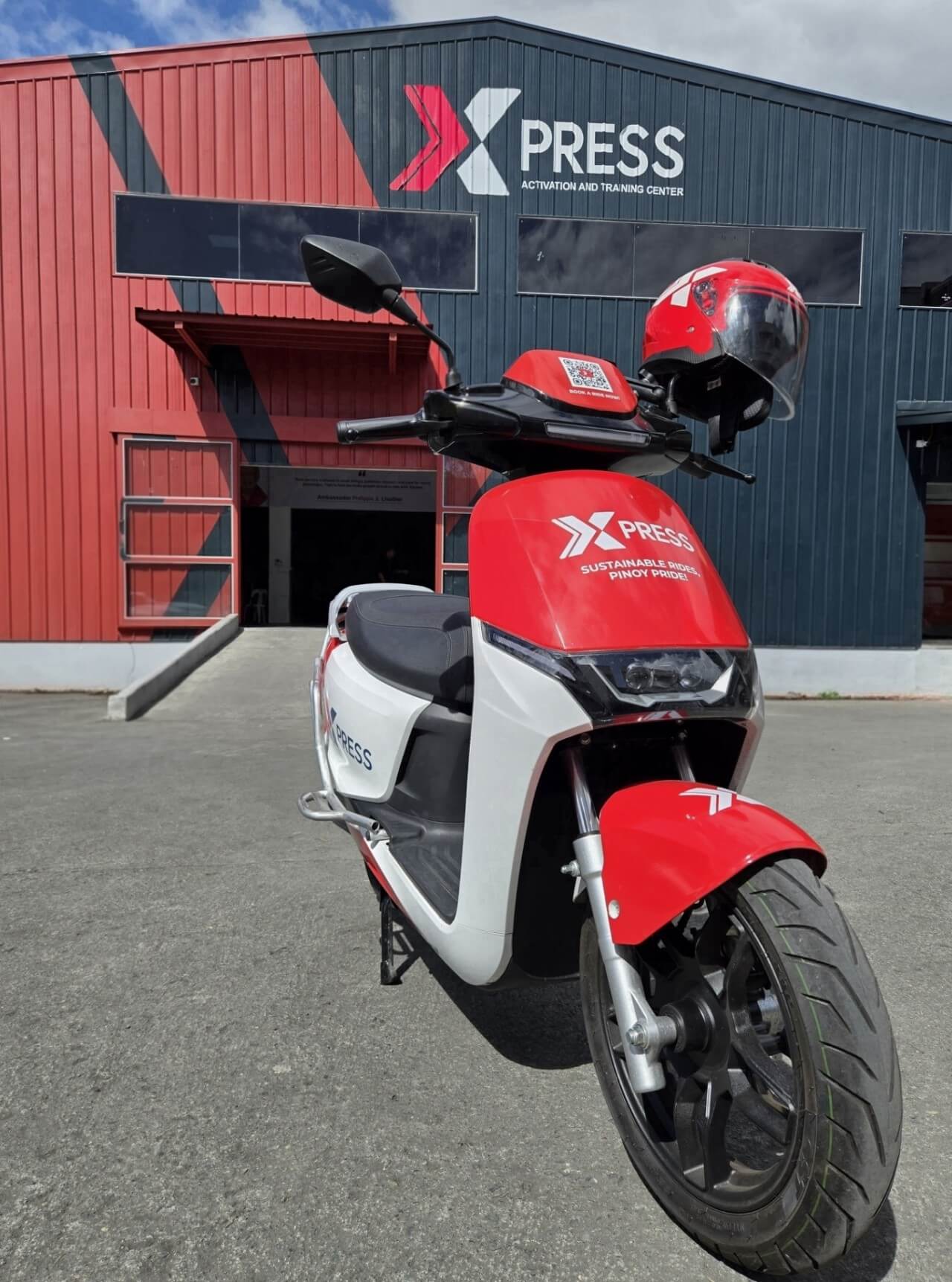
This shift is now being tested at the platform level, as ride-hailing operators begin integrating electric motorcycles into high-volume networks.
Companies such as Xpress Super App are positioning electric moto-taxis as an early adoption layer within broader electric mobility strategies.
Rather than competing with four-wheel electric fleets, the approach is designed to complement them. Operators are able to capture quicker returns, build operational experience, and refine charging and maintenance models while infrastructure for larger EVs continues to develop.
Capital follows utilization
For investors and operators, utilization—not vehicle size—is emerging as the key metric. As platforms seek scalable and commercially viable paths to electrification, electric moto-taxis are increasingly viewed as the most efficient starting point for the country’s clean transport transition. —Ed: Corrie S. Narisma