Insider Spotlight
Around the world, IP authorities are under pressure to modernize as innovation cycles shorten and emerging technologies challenge traditional examination models.
IPOPHL’s approach centers on using AI to enhance search, examination, classification and adjudication processes, while simultaneously strengthening examiner capability to keep pace with new business models and fast-evolving technologies.
Rather than treating automation as a back-office upgrade, the agency is integrating data-driven tools across the IP lifecycle.
This pivot reflects a growing recognition that IP offices must operate not just as registries, but as service-oriented institutions supporting innovation ecosystems.
Why it matters
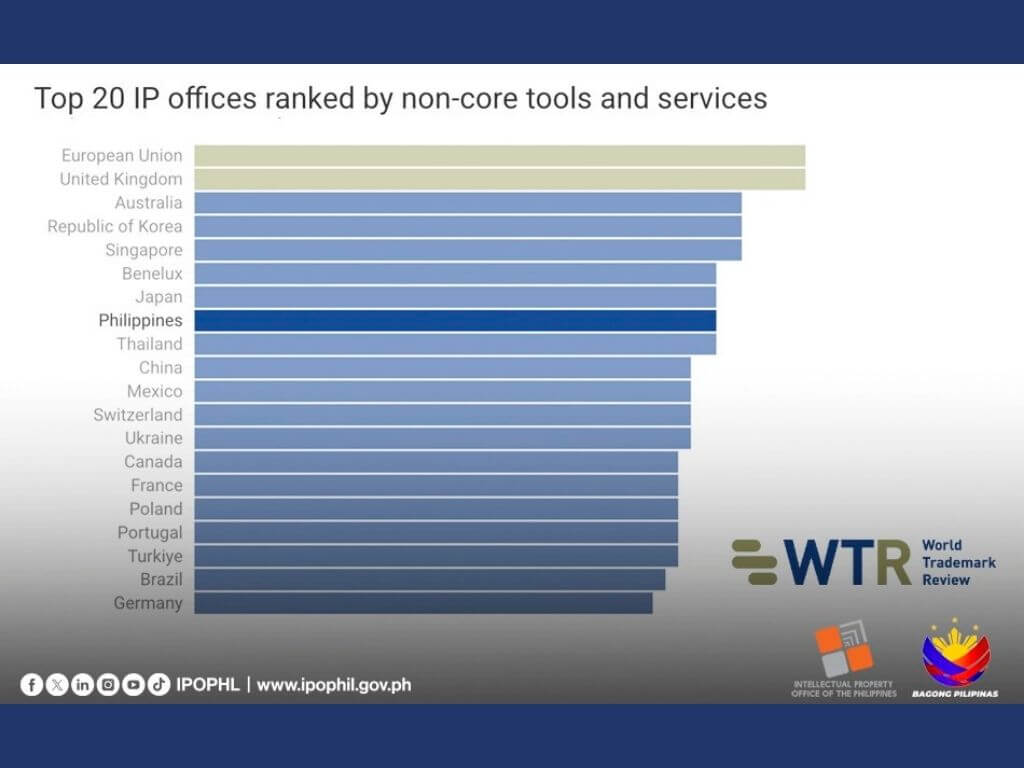
That transformation was reinforced this month when IPOPHL earned recognition among the world’s most innovative IP offices, following sustained investment in end-to-end online systems, digital filing platforms and internal productivity tools.
The acknowledgment places the Philippines alongside more mature jurisdictions that are redefining IP service delivery through technology rather than relying solely on statutory processes.
“IPOPHL’s strong position in the global ranking reflects its long-term strategy of investing in end-to-end online systems, digital filing and search platforms, and internal tools that improve examination quality and turnaround times,” acting Director General Nathaniel S. Arevalo said in a press release on Jan. 12, 2026.
“These are complemented by continuous capacity-building for examiners and staff, ensuring that the Office keeps pace with rapid developments in emerging technologies, evolving business models and the increasingly digital nature of IP transactions,” Arevalo added.
Between the linesThe World Trademark Review (WTR), which evaluates more than 40 jurisdictions, has increasingly emphasized AI adoption in its assessments. Importantly, it distinguishes between AI tools made available to the public and those deployed internally to support examiners and streamline workflows.
IPOPHL’s roadmap addresses both dimensions, pairing technology upgrades with governance reforms and skills development.
What’s next
Beyond efficiency gains, IPOPHL is also grappling with the regulatory implications of AI itself. The agency has issued guidelines to improve patent examination quality for AI-related technologies and is studying how AI-generated works may be treated under existing copyright frameworks.
“Looking ahead, IPOPHL is both shaping the framework for AI-generated works and harnessing AI within its own operations, positioning the Philippine IP system to be more efficient, adaptive and future-ready,” Arevalo said..
As IP systems worldwide race to modernize, IPOPHL’s experience illustrates how strategic AI integration can transform public institutions into active enablers of innovation in the digital economy. —Vanessa Hidalgo | Ed: Corrie S. Narisma