
Insider Spotlight
From its beginnings in 1965, pickleball has become one of the fastest-growing sports worldwide. That momentum is increasingly visible in markets like the Philippines, where around 400 clubs now operate and new courts continue to emerge across communities and commercial spaces.

Why it matters
Olympic inclusion, potentially by Brisbane 2032, requires more than strong participation. The International Olympic Committee looks for unified governance, standardized rules, and global reach — areas where pickleball is still developing as multiple international bodies work toward alignment.
“This is possible,” said Mike Johnson, treasurer of the Global Pickleball Federation, who also chairs the Philippine Pickleball Federation.
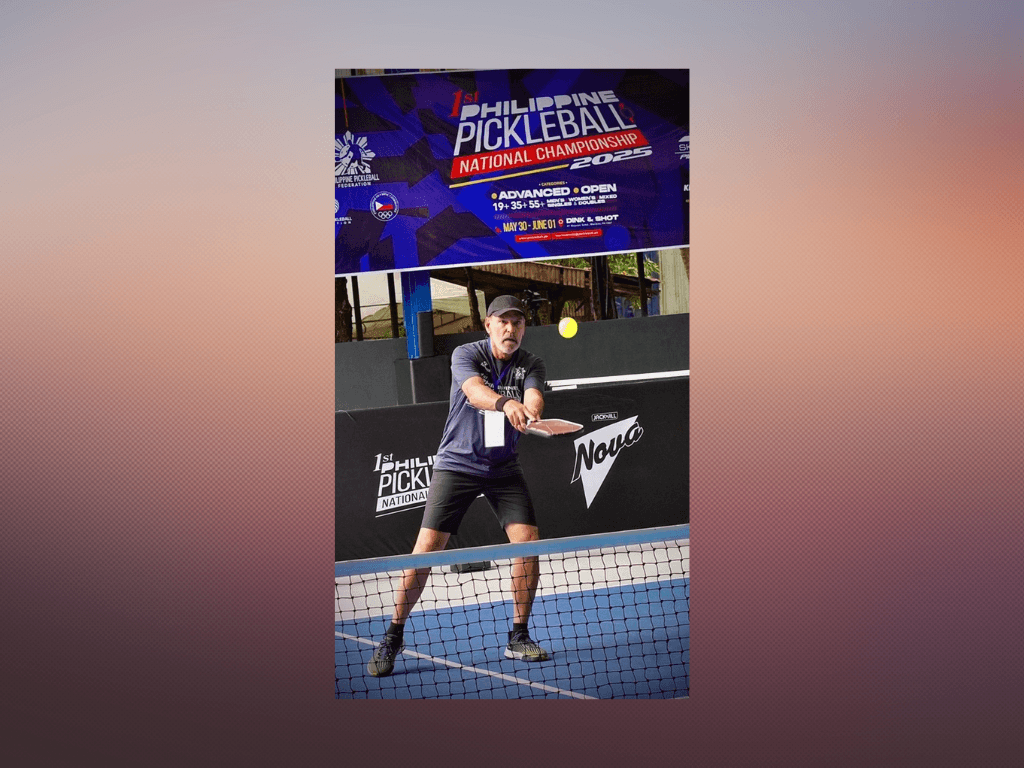
In the Philippines, some of these dynamics are already evident. The national federation has raised concerns over unsanctioned tournaments using “national” branding, prompting enforcement actions and highlighting the growing importance of trademarks and certification in establishing legitimacy.
The big picture
At the same time, innovation in equipment — from paddles to ball design — continues to evolve, with companies investing in research and seeking protection for new technologies. Counterfeit products, however, have begun to surface, raising concerns about safety and consistency in play. This evolving landscape points to a broader shift in how the sport is being organized and protected, as outlined in a recent company release examining pickleball’s development.
Between the lines
Commercial interest is also building alongside participation. Global brands like Nike are entering the space, while Skechers has sponsored local tournaments and Toby’s Sports has rolled out its own pickleball line and event partnerships. Media partnerships are also beginning to emerge, supporting wider visibility and audience growth.
What’s next
As pickleball continues to expand, attention is likely to remain on building the structures needed to support it at scale. “On the court, the game works because the lines are clear. Off the court, intellectual property does the same thing by telling people what’s official, what’s innovative and what’s worth investing in,” Johnson said. —Princess Daisy C. Ominga | Ed: Corrie S. Narisma