Insider Spotlight
The big picture
The initiative reframes stray cats as “City-zens,” integrating their care into the commercial district’s day-to-day operations and community culture. Management is betting that humane practices can coexist with foot traffic, tenant activity, and destination branding.
What they’re saying
“CoMEOWnity brings together our valued partners, patrons, cat lovers, and everyone who shares a deep compassion for stray cats,” Marjorie Go, vice president for marketing of Araneta City Inc, said in a press statement. “Through this initiative, we hope to create a city where every stray cat feels safe, respected, and cared for,” Go added.
How it works
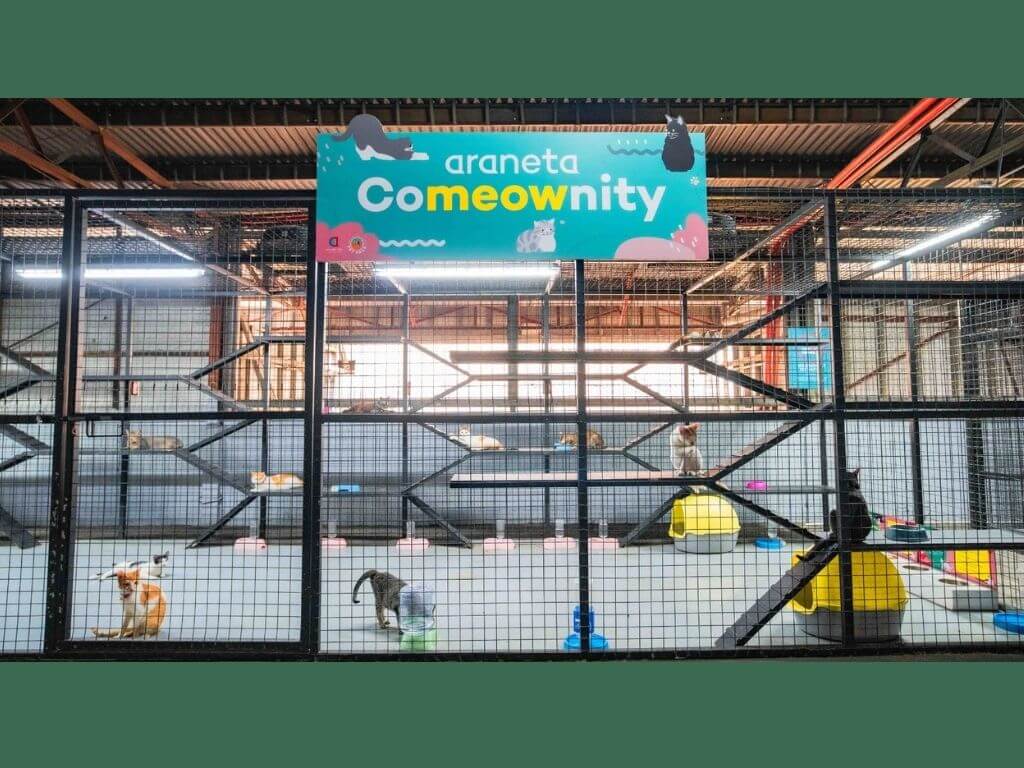
The program focuses on feeding, shelter, veterinary care, and adoption pipelines. A Trap-Neuter-Vaccinate-Return effort, in partnership with CARA Welfare Philippines, serves as the backbone for population control while maintaining humane standards.
Why it matters
Urban centers increasingly face pressure to address animal welfare without disrupting commercial activity. Araneta City’s model suggests that structured programs—backed by partnerships like Pet Kingdom and City Cats Cubao—can turn a potential nuisance into a shared civic responsibility.
Early results
At its first adoption drive in Ali Mall, all rescued and neutered cats found homes. That turnout signals strong consumer engagement, particularly among younger, advocacy-driven visitors who influence mall traffic and brand perception.
The bottom line
“Through programs like CoMEOWnity, we are in the high hopes that it will encourage greater awareness and shared responsibility toward stray cats,” Go said. —Vanessa Hidalgo | Ed: Corrie S. Narisma