Insider Spotlight
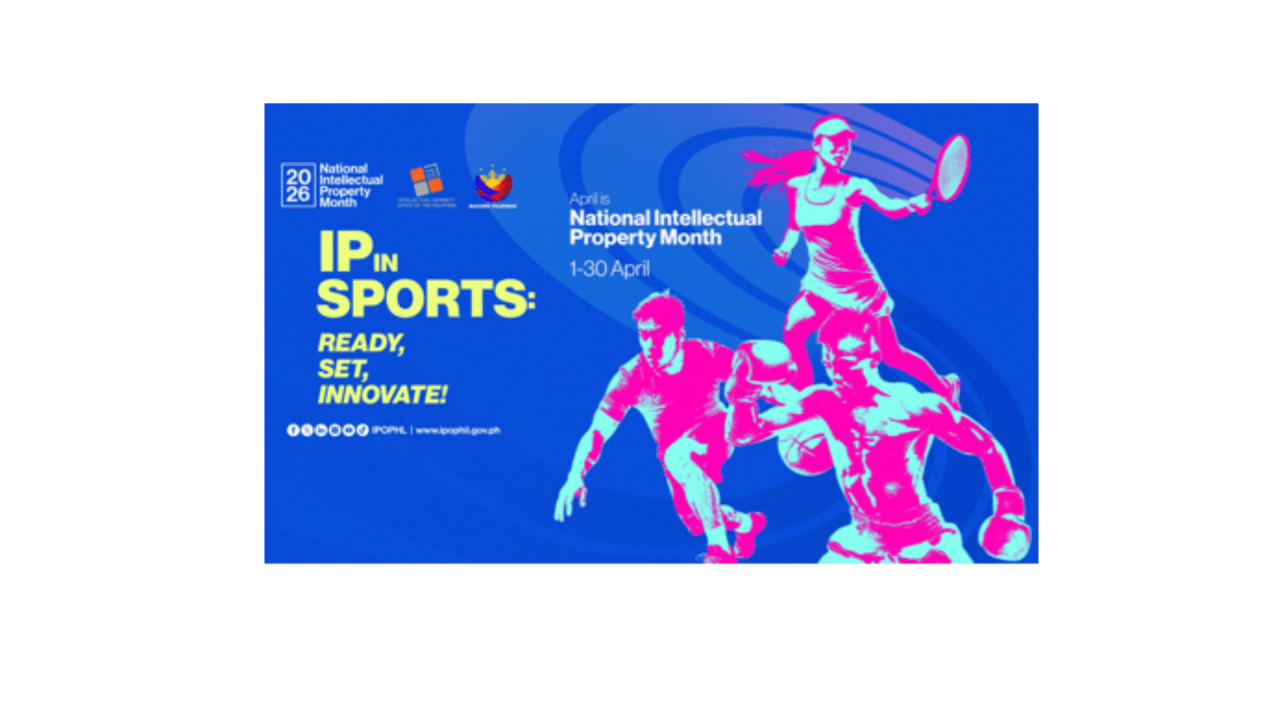
The appeal comes as the country marks National Intellectual Property Month, with regulators highlighting how piracy and counterfeiting continue to erode the foundations of the sports industry. Globally, the problem is significant.
Studies show that 12 percent of viewers in Europe access illegal streams, rising to 27 percent among younger audiences, while counterfeit goods cost manufacturers hundreds of millions annually.
Why it matters
Sports is not just entertainment but a multi-billion-dollar ecosystem. Valued at over 400 billion dollars globally and accounting for about 2 percent of global GDP, the industry relies heavily on intellectual property protections to sustain growth.
Revenues from broadcasting rights, merchandise, and sponsorships are funneled back into athlete development and future competitions.
In the Philippines, similar risks persist. Fake sportswear and pirated streams remain easily accessible, both online and in physical markets, undermining legitimate businesses and discouraging investment, according to a report from a company release.
What they’re saying
“Every time we choose authentic merchandise or watch through official broadcasts, we are directly supporting athletes, creators, and the future of sports,” said IPOPHL acting director general Nathaniel S. Arevalo.
“But when we turn to fake goods or illegal streams, we undermine the very system that allows sports to thrive.”
Officials also warn that counterfeit products pose safety risks, from substandard materials to unsafe manufacturing practices tied to illicit trade networks.
The bottom line
IPOPHL is pushing for simple actions: buy licensed merchandise, stream through official platforms, and report illegal activities. The message is clear—protecting intellectual property is not just a legal issue but a shared responsibility that ensures the long-term viability of sports for Filipino fans and athletes alike. —Princess Daisy C. Ominga | Ed: Corrie S. Narisma